
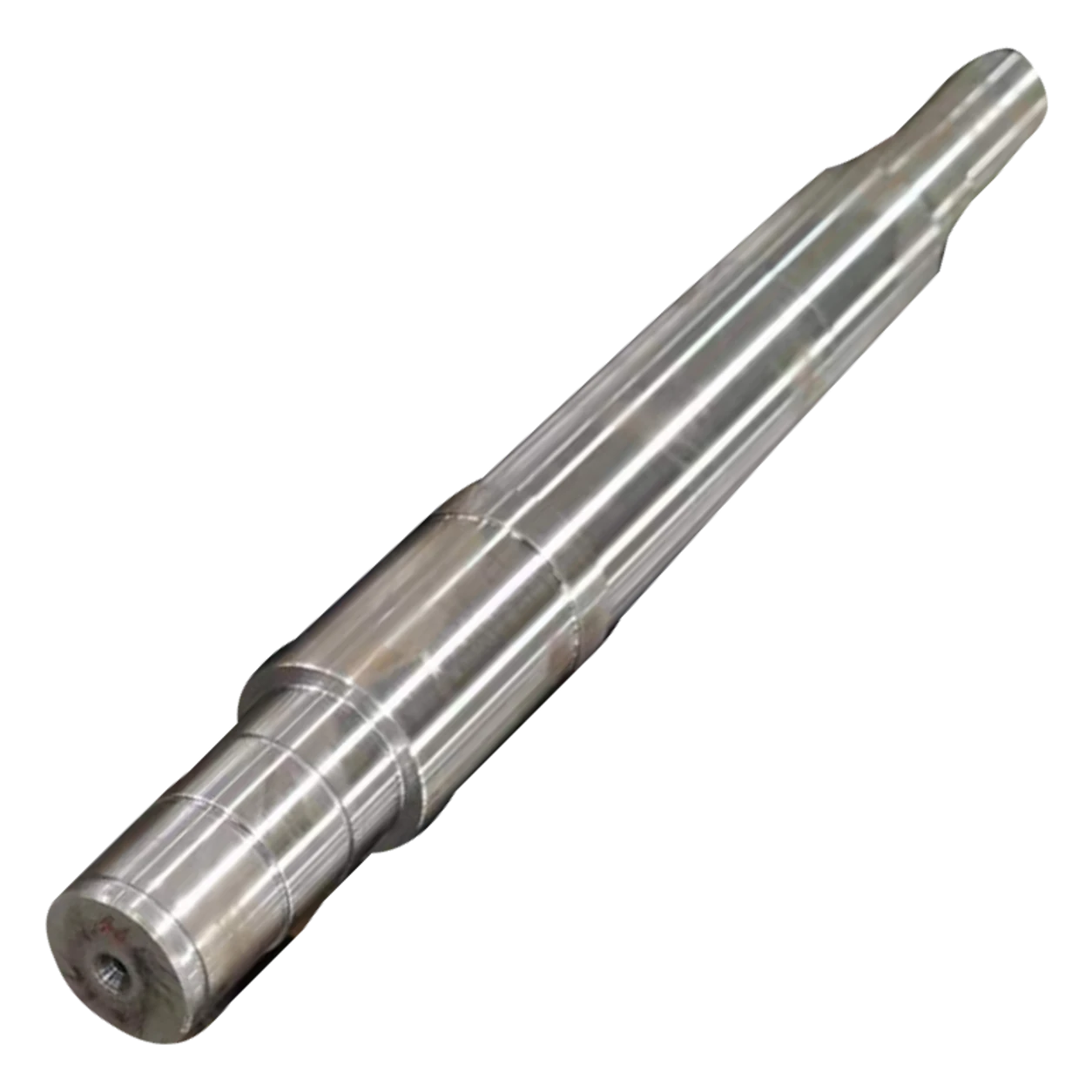
Shaft & pin blanks
Q&T bar or rough-machined stock. Section size, core properties and allowance reviewed together.
View supply detailsAlloy steel bars and blanks for heavy-load industrial components.
Discuss your requirementQ&T bar or rough-machined stock. Section size, core properties and allowance reviewed together.
View supply details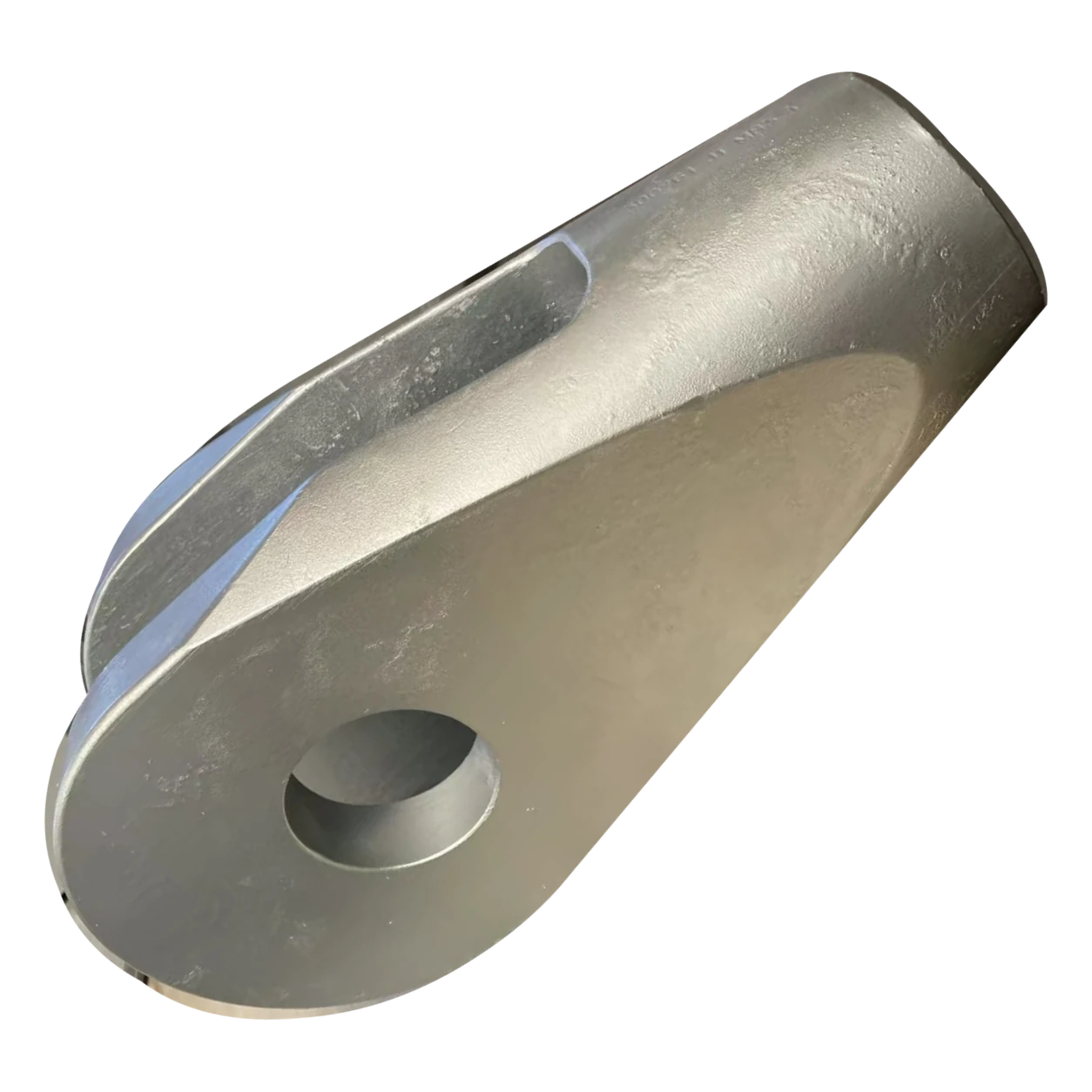
Drawing-led preparation with agreed datums, stock allowance and inspection stages.
View supply details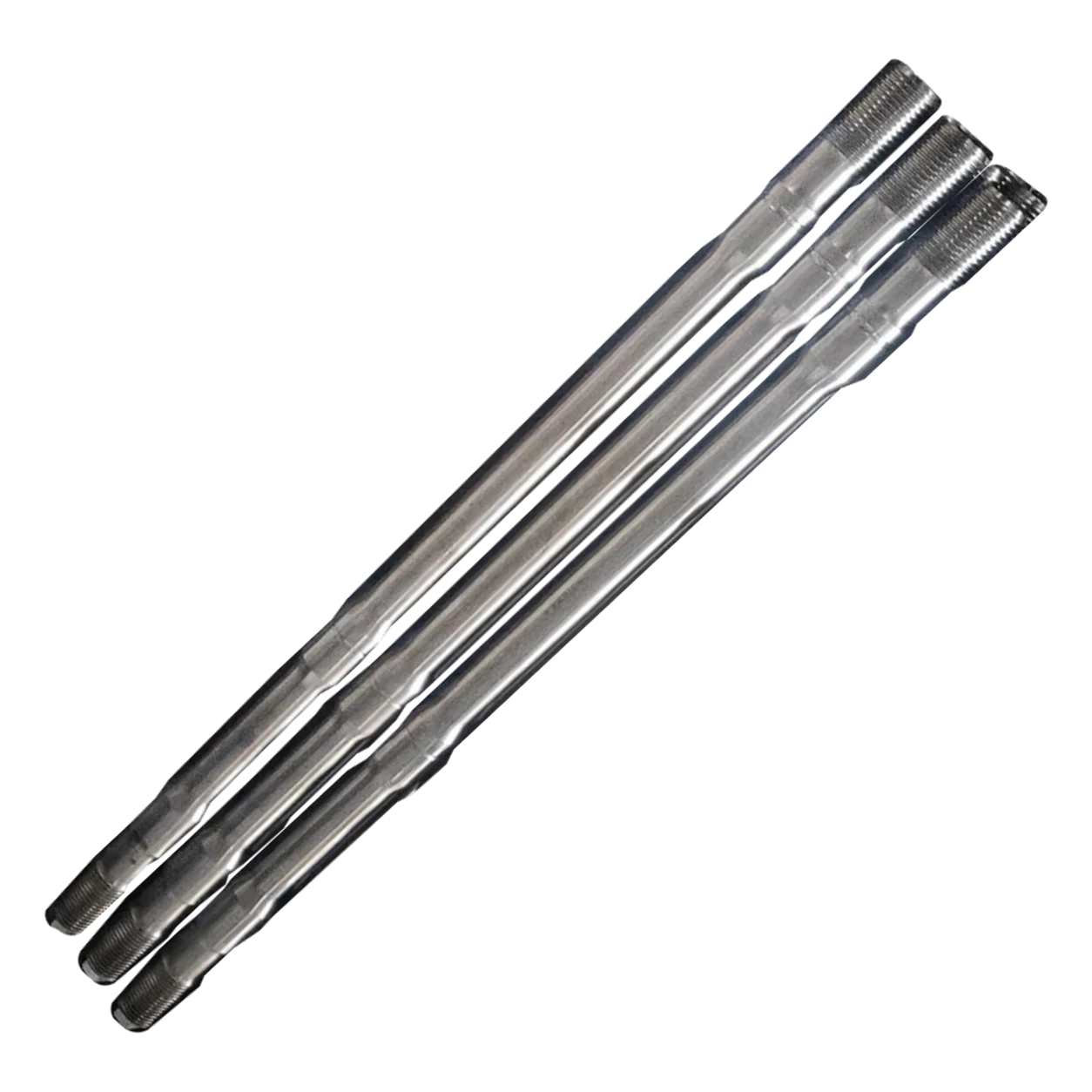
Heat-treated bar and end preparation for specified tie and fastener components.
View supply details| Candidate grade | Available route | Confirm for your order |
|---|---|---|
| 42CrMo4 or SAE 4140 | Q&T · peeled · rough-machined | Standard, section and property targets |
| 34CrNiMo6 | Bar or forging · Q&T | Core toughness and test location |
| 35CrMo | Order-specific processing | Duty and section review |
| 40Cr | Heat-treated bar or blank | Load and machining requirements |
Grades are separate designations. Any substitution requires verification.
Sourced bar and forging material in candidate grades and sizes.
Q&T to required properties with controlled processing.
Peeling, machining and end preparation to your specification.
Supply requirements
Specify the part, material, delivery condition, inspection requirements and quotation details together.
Duty inputs
Candidate grades
Supply and release
Production handoff
The order should state who is responsible for heat treatment, bar preparation, machining allowance, finishing and release inspection.

Source imagery

Bar supply can be organized around project quantity, delivery condition, and inspection needs.

Round bar supply can support high-load field applications and assembly routes.

Semi-finished and component-oriented support is available depending on project complexity.

Project-site views show large foundation and heavy-duty assembly requirements.

Connection detail views help explain threaded-route and coupling requirements.

Rendered structures support communication around tie rod and connection layouts.
RFQ checks
34CrNiMo6 is commonly reviewed when shaft or heavy-duty components need higher toughness, fatigue resistance, larger-section performance, or demanding heat-treatment requirements. The final choice should follow drawing and inspection requirements.
Yes. Heavy industrial orders often need packing method, marking, rust-prevention expectation, shipping documents, destination, and inspection timing stated early so export preparation can be reviewed clearly.
Useful documents may include MTC, heat number traceability, mechanical test records, UT records if specified, dimensional inspection, third-party inspection records, packing list, export documents, and CBAM-related data requests where applicable.
Technical references
Send the part, grade or acceptable alternatives, size, condition, inspection scope, quantity and destination.