

JOTAIN APPLICATIONS
Ports & Marine Infrastructure
Tie bars, anchorage and connections for marine structures.
JOTAIN supplies marine tie bars, anchorage and connection components, machinery blanks and PT bars.
Drawings define the loads, exposure, protection and inspection requirements for your project.
APPLICATIONS
Built Around Your Marine Application

Quays & Jetties
Explore Application
Riverbanks & Waterfronts
Explore ApplicationOffshore & Nearshore
Explore ApplicationPORT & HARBOUR STRUCTURES
Quays & Jetties
For quay walls, jetties and their anchorage, we supply marine tie bars, anchorage plates and nuts, and connection and adjustment components. The purchaser defines structural loads and layout; tie force, threads and protection are confirmed before supply.
Project Checklist
- Design tie force, permanent and cyclic loads
- Quay-wall, anchorage and adjustment interfaces
- Protection for atmospheric, splash and immersed zones
WATERFRONT INFRASTRUCTURE
Riverbanks & Waterfronts
For riverbank retaining structures and waterfront ties, we confirm bar material, end geometry and anchorage components. Project drawings define protection at the embedded-to-exposed boundary, maintenance needs and inspection access.
Project Checklist
- Anchorage length, thread engagement and transition geometry
- Continuous protection across buried and exposed sections
- Design life, maintenance and inspection access
MARINE STRUCTURES
Offshore & Nearshore
For offshore platforms, marine structures and exposed structural connections, we supply marine tie bars and post-tensioning products. Loads, material properties, anchorage and acceptance requirements follow the engineering design.
Project Checklist
- Load spectrum, fatigue and minimum service temperature
- Exposure, design life and protection interfaces
- Post-tensioning specifications, accessories and inspection basis
OUR SUPPLY
Find the Products Your Project Needs
Bars, anchorage and connection components for port and marine projects.
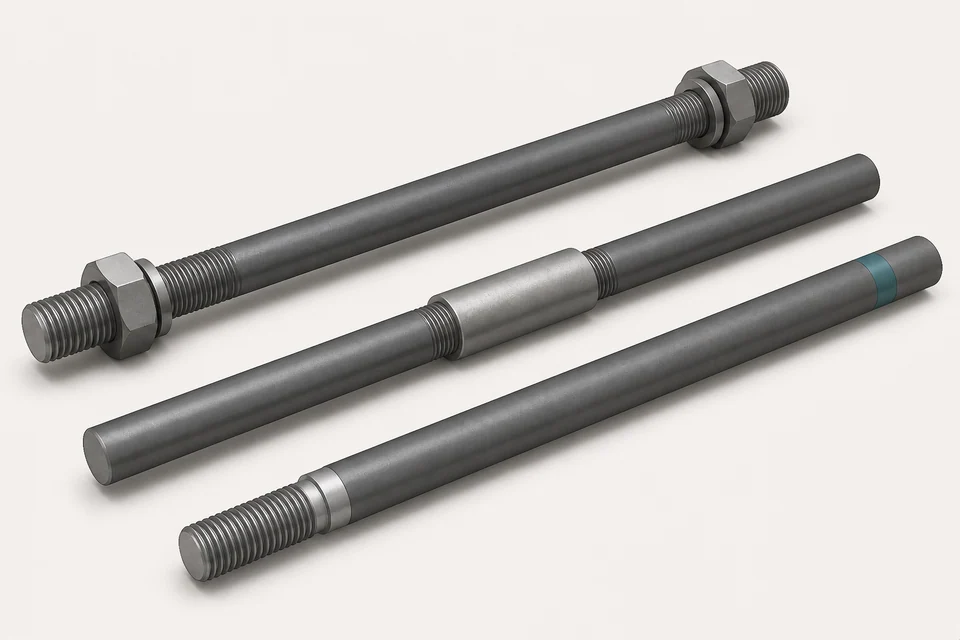
QUAY-WALL TIE RODS
Marine Tie Bars
Tie rods for quay-wall structures.
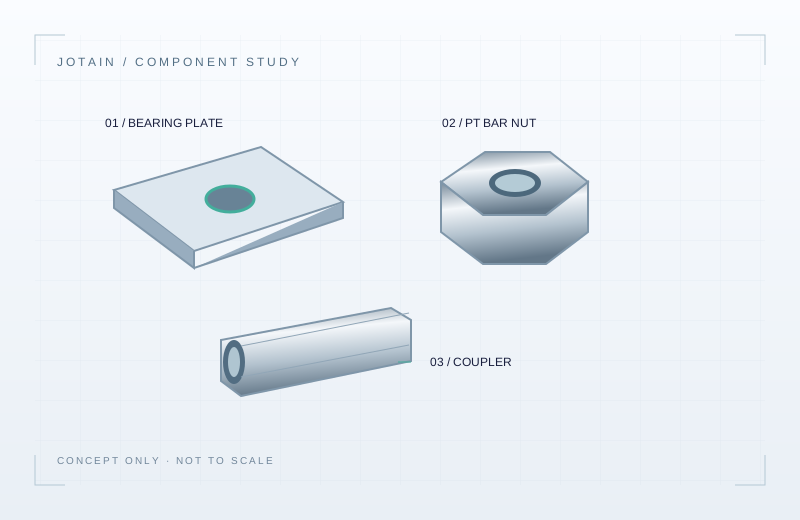
MARINE TIE BAR ANCHORAGE
Anchorage Plates & Nuts
Plates and nuts for tie bar ends.
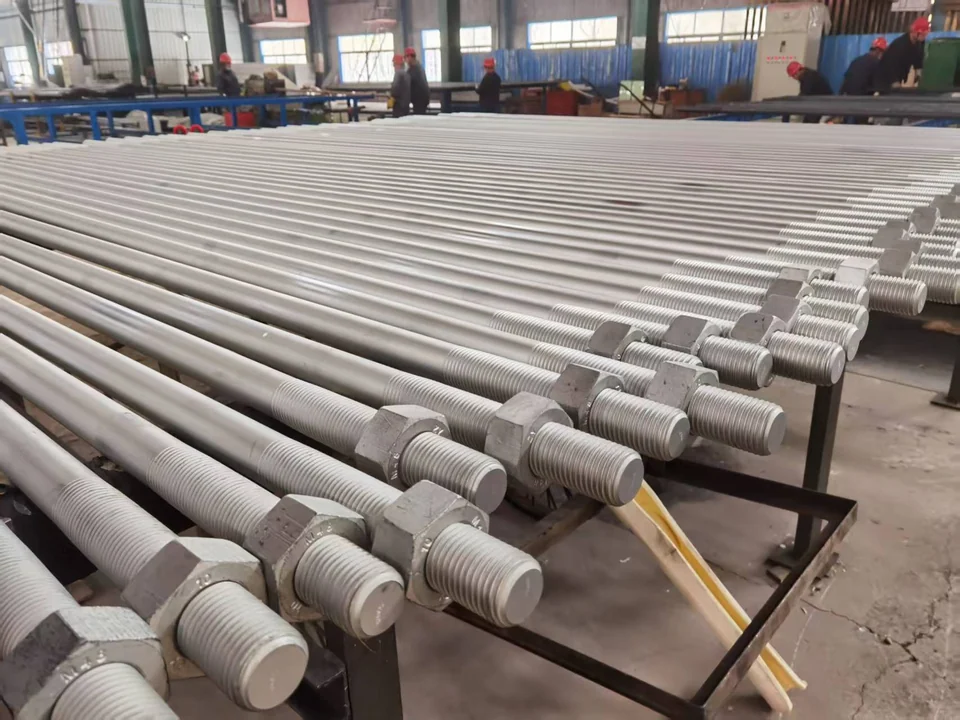
MARINE & WATERFRONT ANCHORAGE
Anchor & Threaded Rods
Anchorage for waterfront structures.
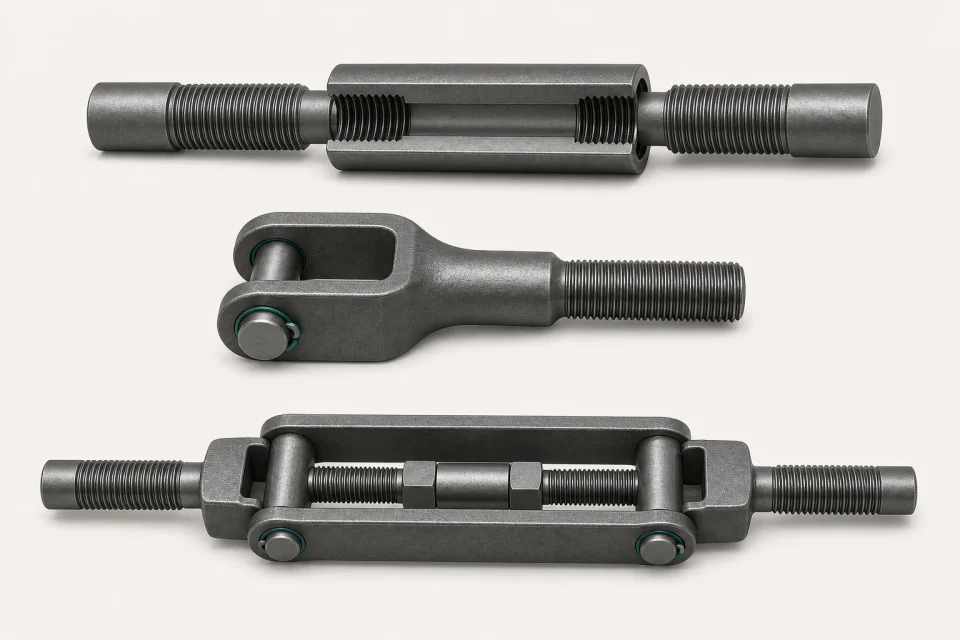
COUPLERS, CLEVISES & TURNBUCKLES
Connection Components
Couplers, clevises and turnbuckles.
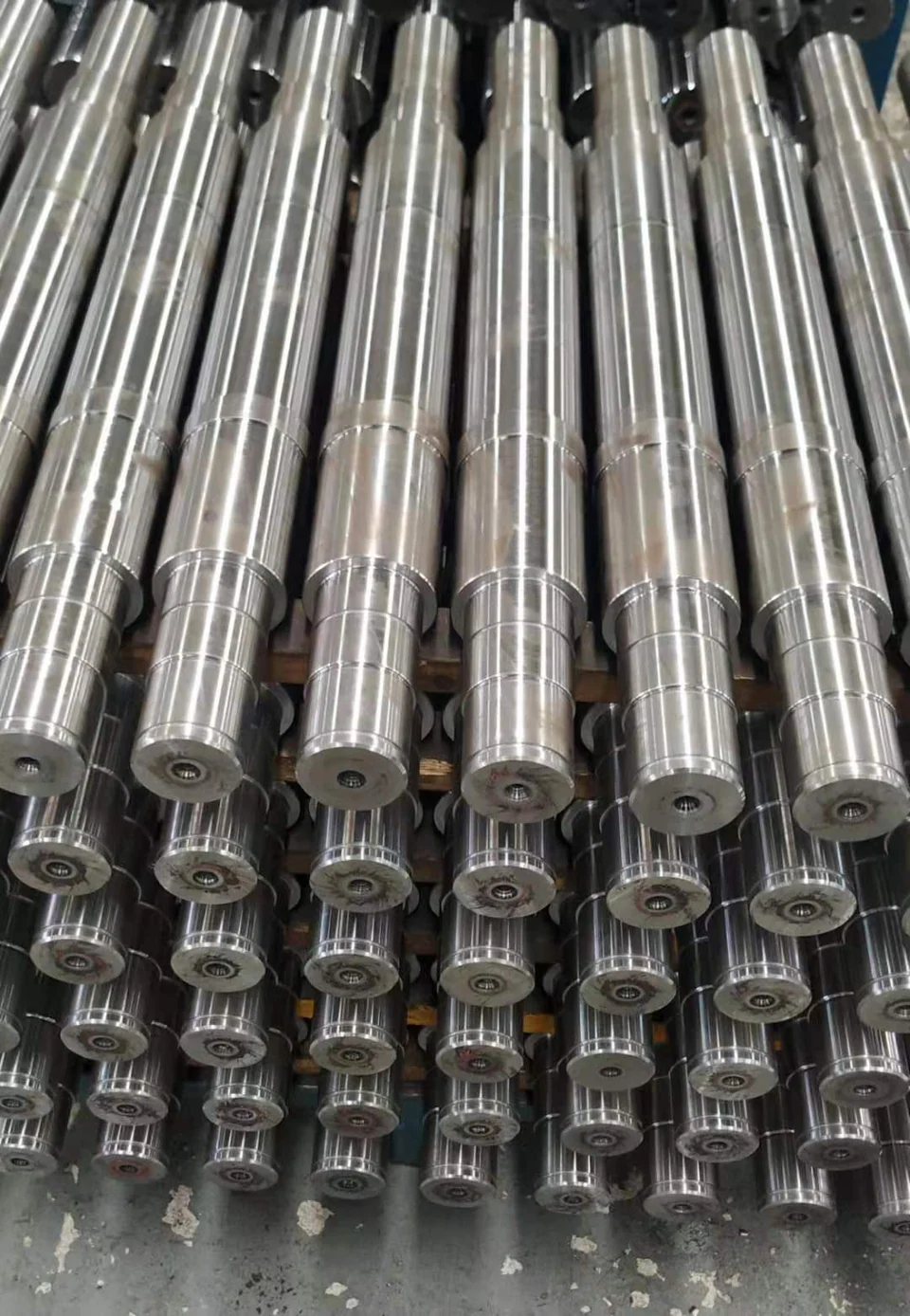
FASTENER, SHAFT & PIN BLANKS
Marine Machinery Blanks
Alloy-steel fastener, shaft and pin blanks.
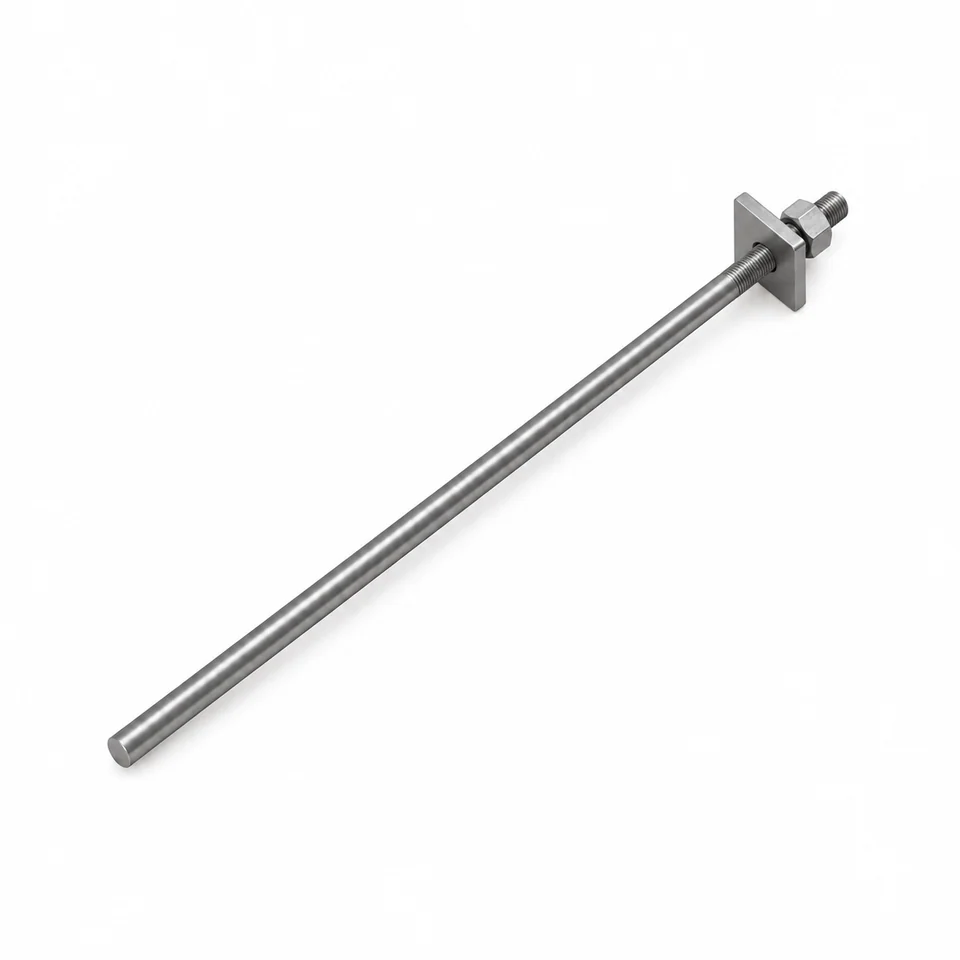
SMOOTH POST-TENSIONING BARS
Smooth PT Bars
Smooth bar with threaded ends.
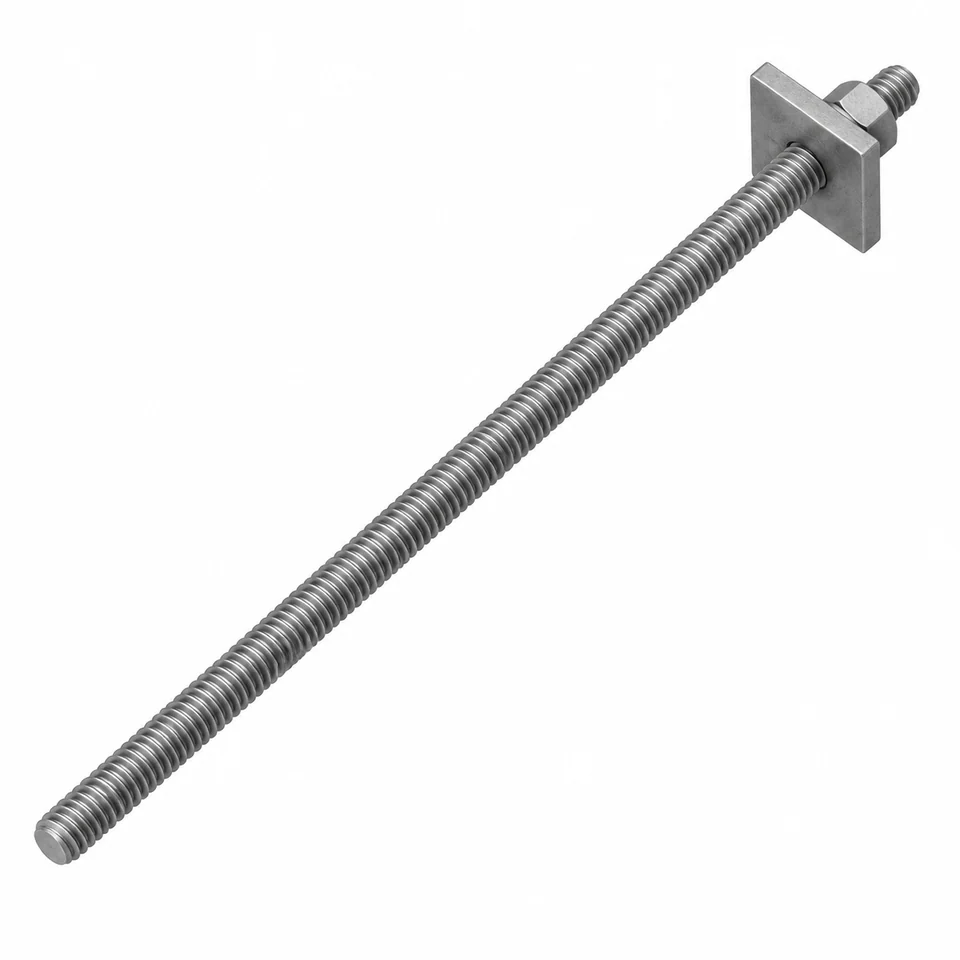
FULLY THREADED POST-TENSIONING BARS
Fully Threaded PT Bars
Continuous threads for anchorage.
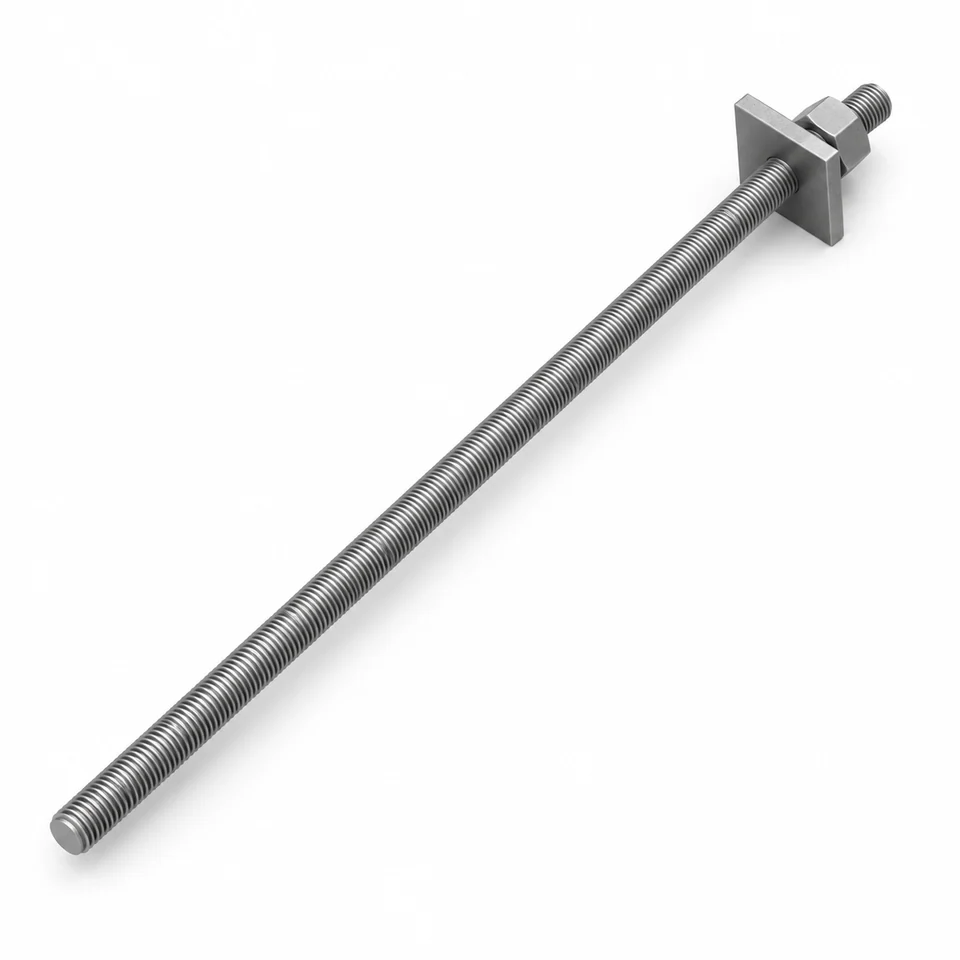
COLD-ROLLED FULLY THREADED BARS
Cold-Rolled PT Bars
Cold-rolled, fully threaded bars.
Marine Tie Bars
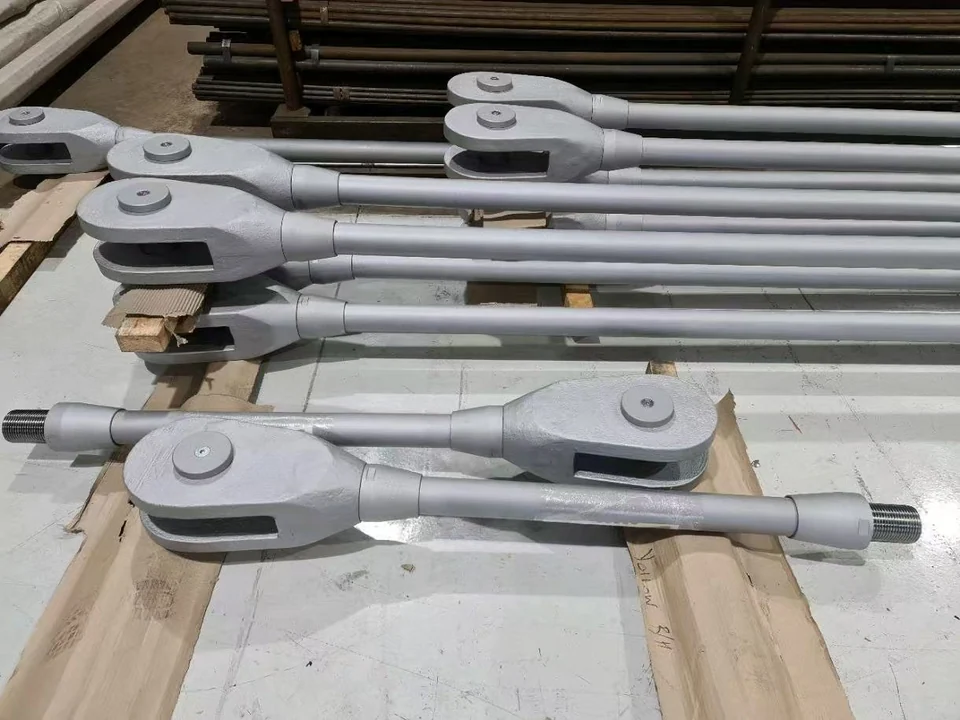
Match the tie rod to the waterline
We supply bar material and processed ends for purchaser-designed quay walls, jetties and riverbank ties. Permanent and cyclic loads, impact, fatigue spectrum and connection stiffness define the supply requirements.
- Supply
- Heat-treated bar, threaded and processed ends, and protective packing.
- Exposure
- Confirm thread sealing, protection, maintenance and cathodic interfaces for atmospheric, splash, immersed and buried zones.
- Inputs
- Design tie force, fatigue spectrum, accidental loads, connection stiffness and adjustment range.
Anchorage Plates & Nuts
Confirm the bearing face and thread together
We supply anchorage plates and nuts for marine tie bars. Using the same bar-end drawings, we confirm plate geometry, hole diameter, threads and bearing surfaces, then align processing and inspection with project requirements.
- Products
- Marine tie bar anchorage plates and nuts; concept images do not replace finished-component drawings.
- Interfaces
- Shape, thickness, hole diameter, thread and engagement length, bearing face and installation space.
- Inputs
- Material standard, accessory quantities, protection system, dimensional acceptance and delivery requirements.
Anchor & Threaded Rods
Connect the embedded and exposed load path
We supply bar stock, prepared threaded material and project-specified high-strength anchor bolts for marine and waterfront anchorage. Effective thread engagement, transition geometry, protection continuity and the embedded-to-exposed boundary must be reviewed together.
- Supply
- Specified grade, cut lengths, thread preparation and protection where required.
- Exposure
- Confirm atmospheric, splash, immersed or buried zones; protection must suit actual marine service.
- Inputs
- Drawings, design life, maintenance requirements, anchorage geometry and cathodic-protection interfaces.
Connection Components
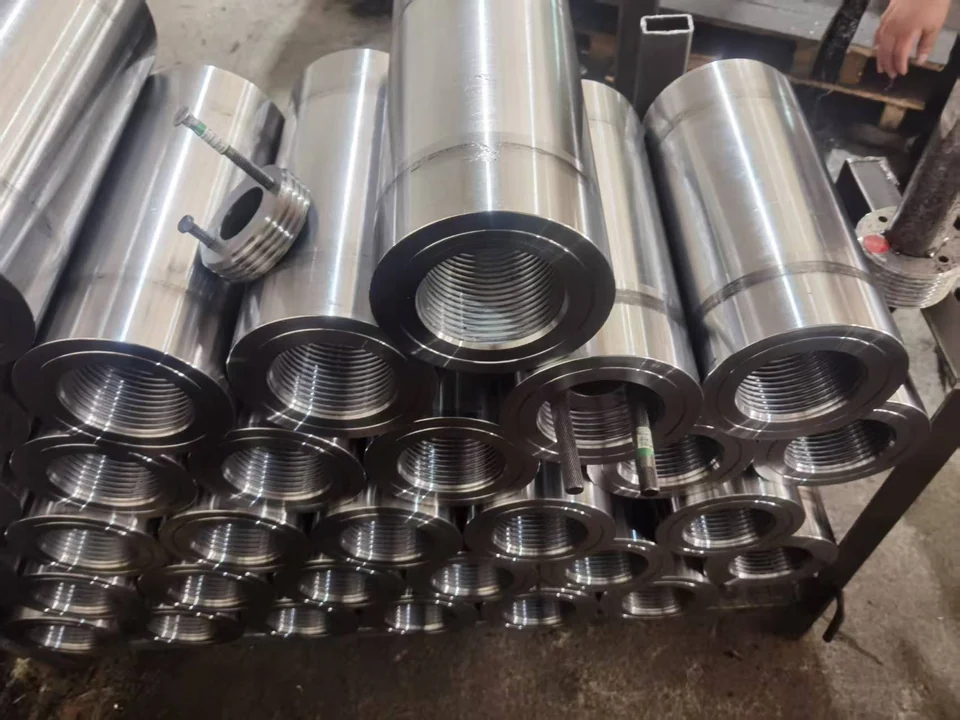
Retain thread fit and adjustment after protection
We supply drawing-defined couplers, clevises and turnbuckles for connection and adjustment. Thread form, handedness, minimum engagement, articulation and locking must be confirmed together with coating thickness and assembly requirements.
- Supply
- Machining, thread compatibility review and surface-finish inspection.
- Connections
- Effective engagement, left- and right-hand threads, adjustment allowance, articulation and locking.
- Protection
- Coating or galvanising route, hydrogen-related risks, post-process controls and assembly condition.
Marine Machinery Blanks
Specify blanks for impact and cyclic service
We supply alloy-steel blanks for connections in heavy marine and offshore machinery. Section size, minimum temperature, impact requirements, fatigue history, NDT and corrosion allowance determine material and delivery condition.
- Supply
- QT condition, machining allowance and UT when specified.
- Service
- Combined permanent and cyclic actions, impact and accidental loads, connection stiffness and adjustment requirements.
- Inputs
- Drawings, section size, minimum temperature, toughness targets, NDT scope and corrosion allowance.
Post-Tensioning Bars
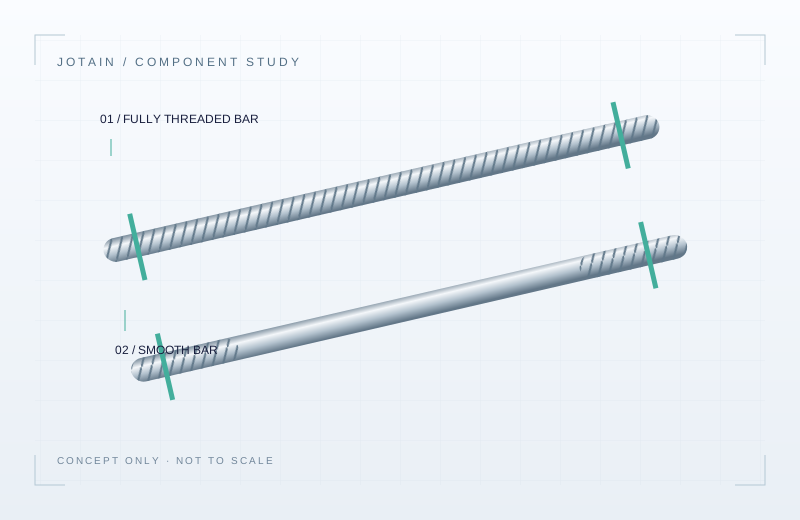
Post-tensioning supply for marine structures
For post-tensioning in offshore and nearshore structures, we supply steel bars and accessories to the project design. Confirm bar form, end anchorage, material requirements and the supply list; finished performance and stressing parameters are defined by the project.
- Bar types
- Smooth, fully threaded and cold-rolled fully threaded steel bar routes.
- Specification
- The cold-rolled route requires separate confirmation of strength class, finished specification and project suitability.
- Enquiry
- Application drawings, diameter, length, threads, anchorage accessories, protection and project testing requirements.
Specifications & Accessories for the Three Bar Types
Smooth PT Bars
- Bar & Thread Form
- Smooth round bar with threads at the ends; finished geometry follows the approved drawing.
- Accessories
- Couplers, nuts, bearing plates and washers matched to the end connections.
- Specifications to Confirm
- Material standard, diameter, overall length, end threads, strength requirements, surface protection and inspection documents.
Fully Threaded PT Bars
- Bar & Thread Form
- Continuous threads along the bar; thread form, pitch and connection positions are confirmed for the project.
- Accessories
- Compatible couplers, nuts, bearing plates and spherical washers.
- Specifications to Confirm
- Diameter, thread form, cut length, mechanical properties, coupler fit and test requirements.
Cold-Rolled PT Bars
- Bar & Thread Form
- A fully threaded steel bar route; threads and finished dimensions follow the confirmed technical specification.
- Accessories
- Couplers, nuts and anchorage accessories matched to the bar threads and project requirements.
- Specifications to Confirm
- Bar standard, strength class, diameter, pitch, length and acceptance basis must be confirmed with the enquiry.
Bars & Accessories
Match supply to your project list
Drawing Review
Confirm dimensions, threads and interfaces
Inspection & Records
Agree acceptance and delivery records
Packing & Delivery
Confirm marking, protection and shipment
ACCESSORIES
Accessories for a Coordinated Supply
Connection, anchorage, installation and protection components matched to your project list.
Confirm tie bars, anchorage and connection components against the same interface requirements.
Marine Tie Bar Plates & Nuts
ANCHORAGE COMPONENTS
Confirm bearing faces, hole diameter, plate thickness and threads against the bar-end drawings.
Couplers
THREADED CONNECTIONS
Confirm threads, engagement length and fit after protection.
Clevises
ARTICULATED CONNECTIONS
Confirm articulation geometry, mating parts and installation requirements against the drawings.
Turnbuckles
LENGTH ADJUSTMENT
Confirm thread handedness, usable adjustment range and locking requirements.
For project-specified post-tensioning applications, matched to the selected bar specification.
PT Bar Couplers
BAR CONNECTION
Connect adjacent bars; confirm thread compatibility and connection length.
PT Bar Nuts
THREADED ANCHORAGE
Match the bar-end threads and anchorage requirements.
Bearing Plates
ANCHORAGE BEARING
Confirm shape, hole diameter, thickness and material against drawings.
Washers / Spherical Washers
BEARING INTERFACES
Select to suit the fit and contact surfaces at the anchorage.
Spherical Hex Nuts
SPHERICAL BEARING
Confirm the threads and spherical bearing interface.
Anchorage Zone Helical Reinforcement
LOCAL REINFORCEMENT
Confirm diameter, pitch and geometry against the project design.
PT Bar Pocket Formers
ANCHORAGE RECESSES
Form space around the anchorage end; confirm dimensions against drawings.
Pocket Former Spacer Nuts
FORMER POSITIONING
Match the former position and end installation requirements.
Duct Collars / Trumpets
DUCT & GROUT INTERFACES
Confirm the duct, anchorage end and grouting interfaces.
Fibre-Reinforced Nylon End Caps
END PROTECTION
Match the end geometry, connection and protection requirements.
Confirm grouting and protective materials against the project protection system.
Cement Grout
GROUTING MATERIAL
Confirm material properties, installation suitability and acceptance requirements against the project specification.
Wax, Heat-Shrink Sleeves & Corrosion Protection
PROTECTIVE MATERIALS
Confirm material and interface compatibility with the project exposure and protection system.
INSTALLATION & PROTECTION
From Connection to Marine Protection
Align the supply list with exposure zones and installation interfaces, matching materials, connections and protection.
Connection & Adjustment
For couplers, clevises and turnbuckles, confirm thread standard, handedness, minimum engagement, articulation and locking against drawings. Retain assembly and adjustment allowance after coating.
Add to Project EnquiryAnchorage & Ends
For plates, nuts, anchor rods and threaded rods, confirm bearing faces, end transitions, embedment and exposed boundaries against the design. Review interfaces and accessory quantities together.
Add to Project EnquiryMarine Protection
Distinguish atmospheric, splash, immersed and buried zones. Confirm design life, coating or galvanising, thread sealing, cathodic interfaces, maintenance and protective packing.
Add to Project Enquiry- Project Drawings
- Product Selection
- Accessory List
- Inspection Review
- Packing & Delivery
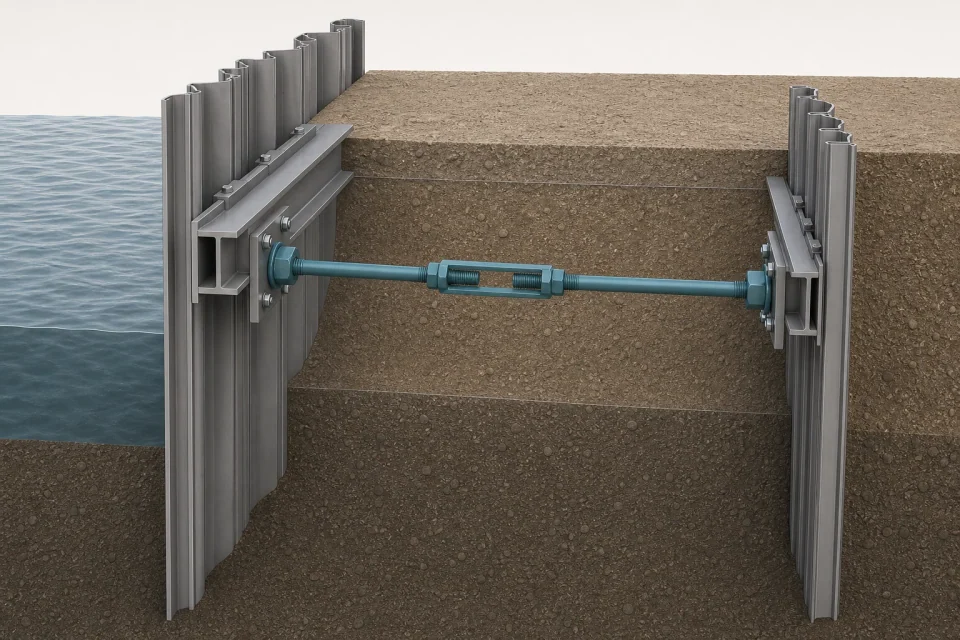
SUPPLY SCOPE
A Clear Supply Scope.
A Better Project Brief.
For quay-wall ties, marine anchorage, connection and adjustment components, and heavy machinery interfaces, JOTAIN confirms materials, processed components and accessories against the purchaser’s drawings and specifications.
- Our scope
- Product lists, materials and dimensions, threads and end processing, protection, inspection plans, marking and delivery records.
- Engineering team
- System design, design loads and fatigue assessment, exposure and design life, protection and cathodic interfaces, anchorage layout and final acceptance requirements.
ENGINEERING REQUIREMENTS
Match the Material to the Conditions
Loads, marine exposure, connection geometry and protection interfaces define the material and processing route. Project drawings and acceptance criteria govern the requirements.
Loads
Permanent, cyclic, impact and fatigue demand
Exposure
Atmospheric, splash, immersed or buried
Connections
Threads, couplers, clevises and adjustment
Protection
Coating, galvanising, cathodic interfaces and packing
Marine Conditions & Interfaces
Confirm project inputs from loading through to protection.
Loading & Fatigue
Permanent and cyclic actions together
Material routes for quay-wall ties and marine machinery components must reflect combined actions. Design tie force, fatigue spectrum, impact and accidental loads, connection stiffness and adjustment needs define the supply requirements.
- Inputs
- Design loads, fatigue background, impact and accidental conditions, minimum service temperature and acceptance criteria.
- Supply review
- Confirm delivery condition against section size, target properties, machining allowance and specified testing.
Exposure & Design Life
Protection for the actual marine zone
Atmospheric, splash, immersed and buried zones need different protection, thread sealing, packing and maintenance. Review the embedded-to-exposed boundary together with anchorage and coating continuity.
- Inputs
- Actual exposure zone, design life, maintenance and inspection arrangements.
- Interfaces
- Cathodic-protection interfaces and compatibility with accessories and the protection system.
Threads & Surface Finish
Review strength, protection and assembly together
Thread standard, handedness, minimum engagement, articulation, locking and coating thickness must remain compatible after protection. Strength targets, protection and installation requirements need a coordinated specification.
- Inputs
- Thread standard, engagement length, coating or galvanising route, connection geometry and adjustment allowance.
- Process
- Confirm hydrogen risks and post-process controls for the material, strength and protection process.
PUBLISHED BAR SUPPLY RANGE
Candidate Bar Materials & Supply Ranges
Review material against loads, fatigue, toughness, section size, thread processing, corrosion protection and the approved project specification.
42CrMo4 / 4140
- Standard
- 42CrMo4 (ISO 683-2) / SAE 4140 (SAE J404)
- Supply / Processing
- Black / peeled / machined
- Delivery Condition
- QT or thread-ready condition
- Use in Review
- Candidate high-strength material route for ties, shafts and pins.
- Application Limits
- Protection and fatigue acceptance are project-specific; cross-standard substitutions require verification.
35CrMo
- Standard
- 35CrMo; verify any proposed SAE 4135 or 34CrMo4 substitution
- Supply / Processing
- Hot rolled / forged / machined
- Delivery Condition
- QT or fastener bar route
- Use in Review
- Candidate route for threaded and fastener-related components.
- Application Limits
- Final fastener performance depends on the complete assembly specification.
40Cr
- Standard
- 40Cr; verify any proposed 41Cr4 or SCr440 substitution
- Supply / Processing
- Hot rolled / forged / machined
- Delivery Condition
- Heat-treated or machined blank
- Use in Review
- Candidate material route for general marine machinery parts.
- Application Limits
- Suitability depends on loads, environment, section size and target properties.
PROCESSING & DELIVERY
From Approved Material to Delivery
A process route for steel bars and machined components. The exact steps depend on the product and order.
- 01
Approved Bar Route
- 02
Heat Treatment
- 03
Machining or Peeling
- 04
Threads & Ends
- 05
Specified Protection
- 06
Inspection & Packing
INSPECTION & RECORDS
Confirm Inspection
Before Production.
Define sampling positions, test scope, inspection stages and delivery records against project acceptance requirements. Agree test positions, acceptance criteria, marking and release records before production.
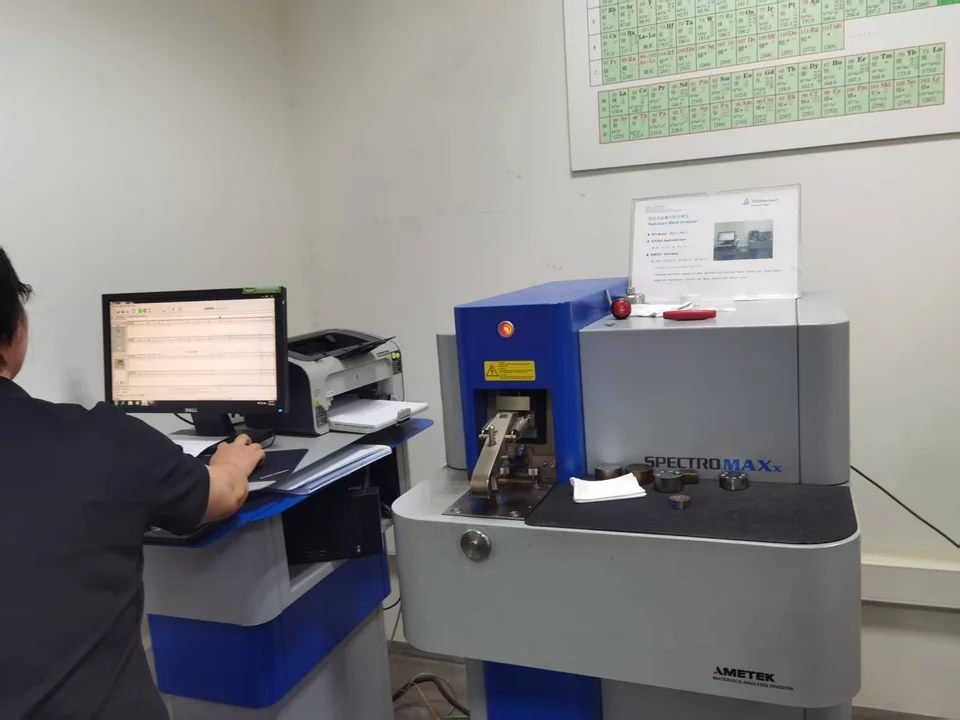
Material & Integrity
Confirm heat traceability, mechanical testing and UT where specified. Define test positions, scope and acceptance criteria before production.
Connection Geometry
Check thread dimensions, coupler engagement, bar length and straightness, and the assembly interfaces of ends and accessories.
Protection & Packing
Retain surface-treatment records, check coating thickness where required, and confirm thread protection, packing and delivery release records.
REFERENCE & ORDER BASIS
Standards for Your Order
Use the approved drawings, project specification, inspection plan and stated editions of the standards.
DNV-RP-C203
Reference background for fatigue assessment of offshore steel structures where specified by the project.
Open ReferenceISO 12944-8
Reference background for developing protective paint specifications for the relevant exposure and durability requirements.
Open ReferenceSUPPLY SUPPORT
From Specification to Delivery
Processing Capabilities
Explore heat treatment, cut lengths, surface finishing and thread preparation. Confirm the supply stage against your drawings.
Explore ProcessingInspection & Traceability
Confirm heat identification, dimensions, mechanical properties and specified inspections, together with the order documents.
View Quality & DocumentsTechnical Resources
Bring material standards, dimensions and technical specifications to support the review of bars and accessories for your enquiry.
Browse ResourcesDiscuss your project
Send your requirements directly to JOTAIN. We will reply to your email.