

JOTAIN APPLICATIONS
Wind Energy Foundations
Anchor bars, bolting material and post-tensioning supply.
Foundation anchor bolts, holding-down bars, shear connection bars, fastener and shaft blanks, and PT bars.
Your load spectrum, preload, interfaces and inspection plan define the supply requirements.
APPLICATIONS
From Foundation to Tower

Foundation Anchorage
Explore ApplicationTower Connections
Explore Application
Concrete & Equipment
Explore ApplicationANCHOR BOLTS & STRUCTURAL BARS
Foundation Anchorage
Foundation anchor bolts, holding-down bars and structural connection bars are matched to purchaser-designed wind foundations. Confirm the thread system, template, embedded geometry and inspection requirements.
Project Checklist
- Cyclic loads, maintained preload and fatigue details
- Template geometry, erection tolerances and threaded interfaces
- Exposure, protection, test locations and NDT
BOLTING & PRELOAD
Tower Connections
Fastener bar, couplers, nuts and prepared ends support tower and foundation connection procurement. The approved project specification defines the property class, thread route, coating friction and installation method.
Project Checklist
- Thread and property-class requirements
- Nut pairing, engagement and preload control
- Finish, straightness and dimensional records
POST-TENSIONING & MACHINED BLANKS
Concrete & Equipment
PT bars and accessories for specified wind-energy concrete structures, with shaft and pin blanks for conventional rotating or articulated equipment. Each product follows its own material, drawing and acceptance requirements.
Project Checklist
- PT bar form, anchorage and accessory schedule
- Controlling section, service temperature and toughness
- Machining allowance, identity and inspection records
OUR SUPPLY
Find the Products Your Project Needs
Anchor bars, bolting material and post-tensioning supply.
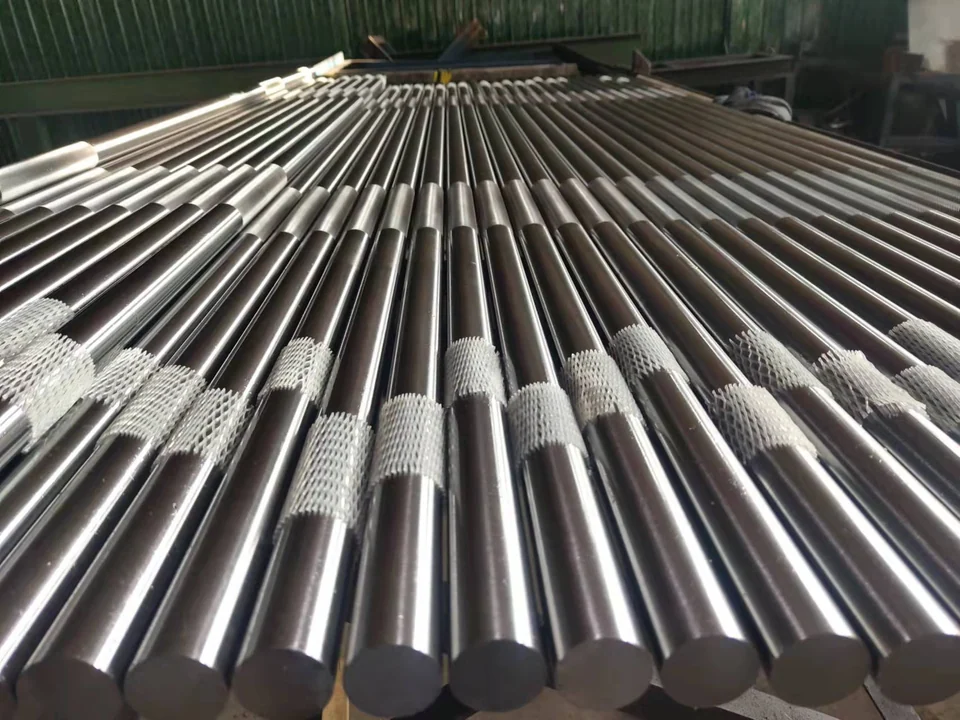
WIND TURBINE ANCHOR RODS
Foundation Anchor Bolts
Long bars for tower foundation anchors.
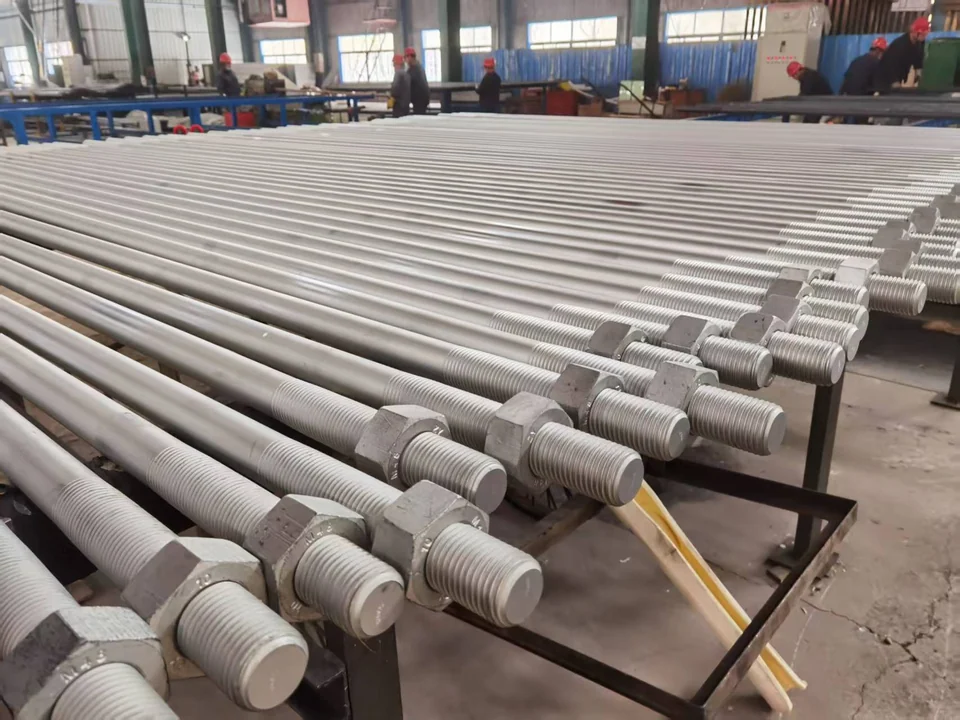
STRUCTURAL ANCHOR BARS
Holding-Down Bars
Structural anchorage bars.
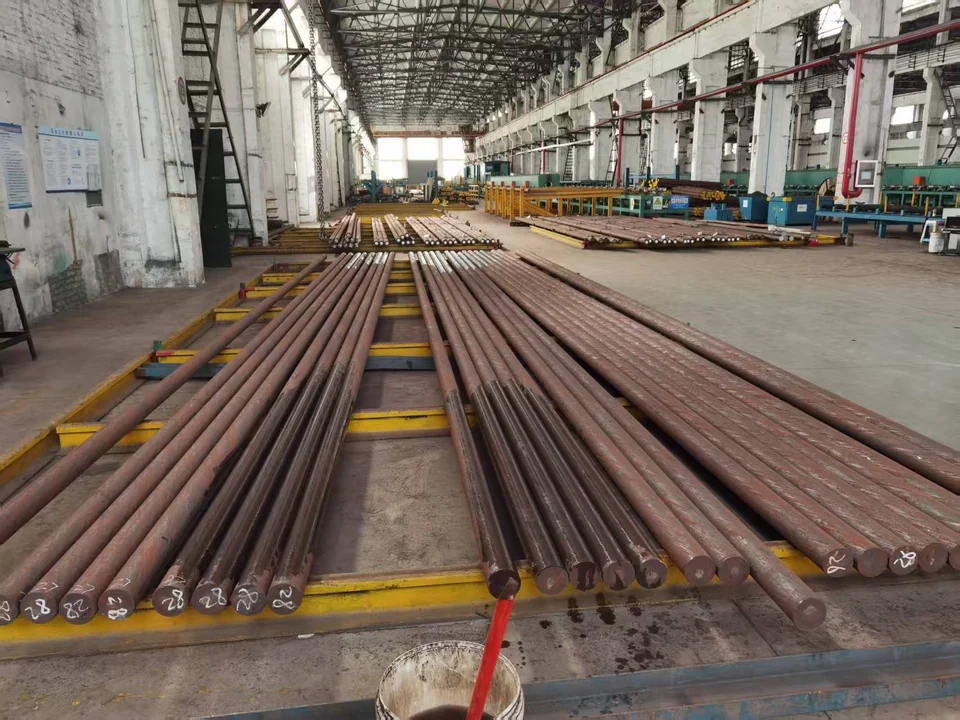
SHEAR KEY & CONNECTION BARS
Shear Connection Bars
Bars for shear connections.
BOLTING & STUD MATERIAL
High-Strength Fastener Bar
Bar material for bolts and studs.
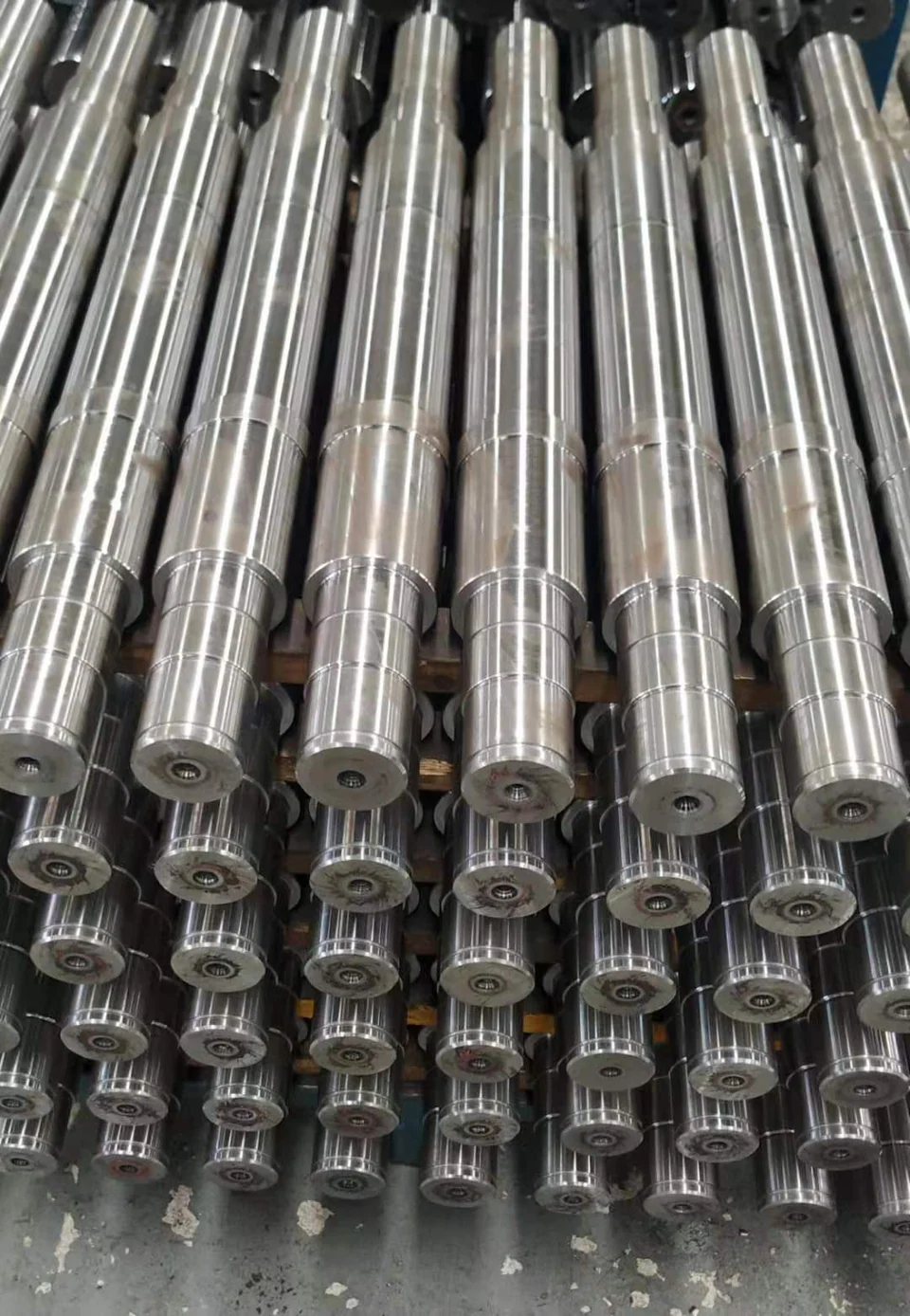
HEAVY ROTATING & ARTICULATED PARTS
Shaft & Pin Blanks
Prepared blanks for cyclic service.
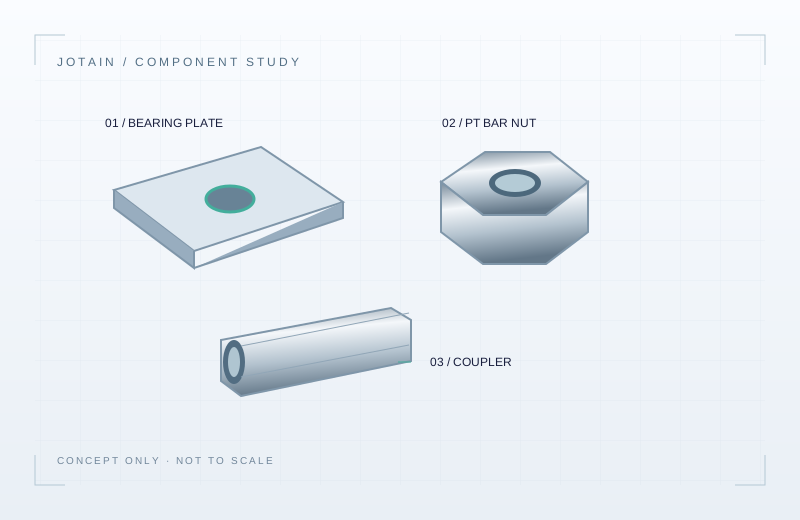
MATCHED THREADED COMPONENTS
Couplers, Nuts & Ends
Mating parts for anchor-bar connections.
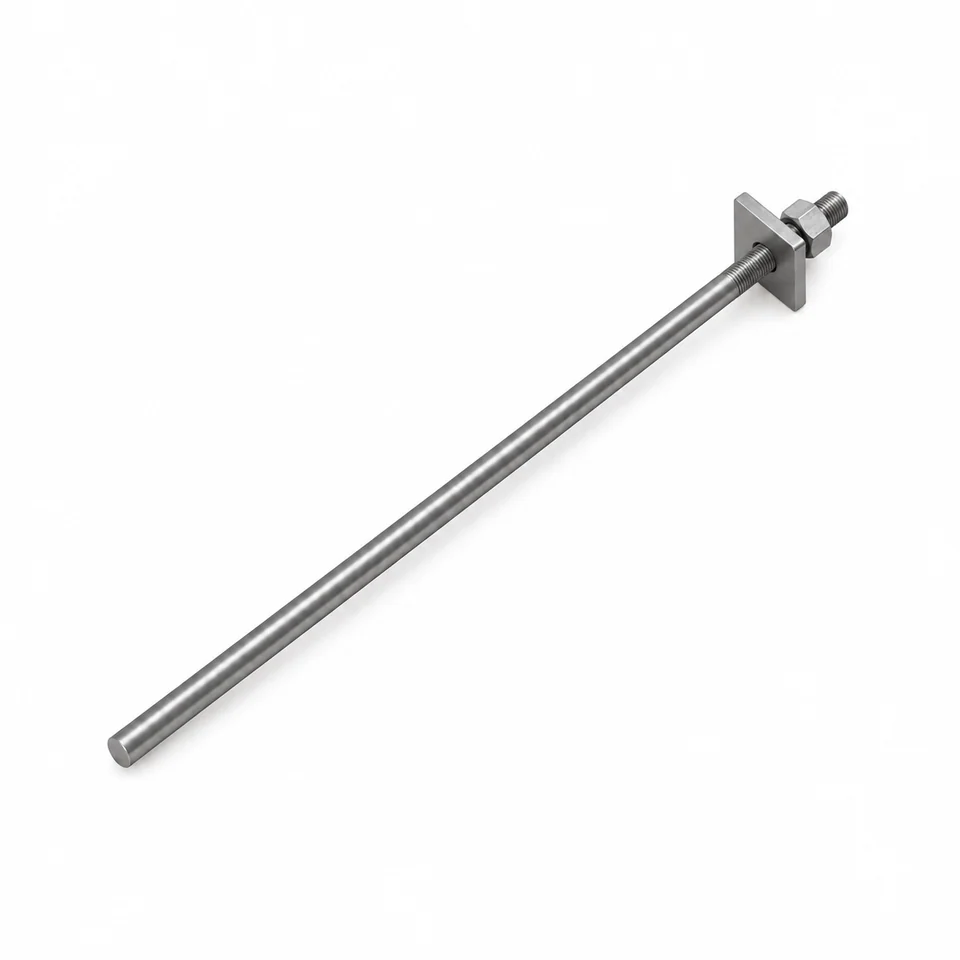
SMOOTH POST-TENSIONING BARS
Smooth PT Bars
Smooth bar with threaded ends.
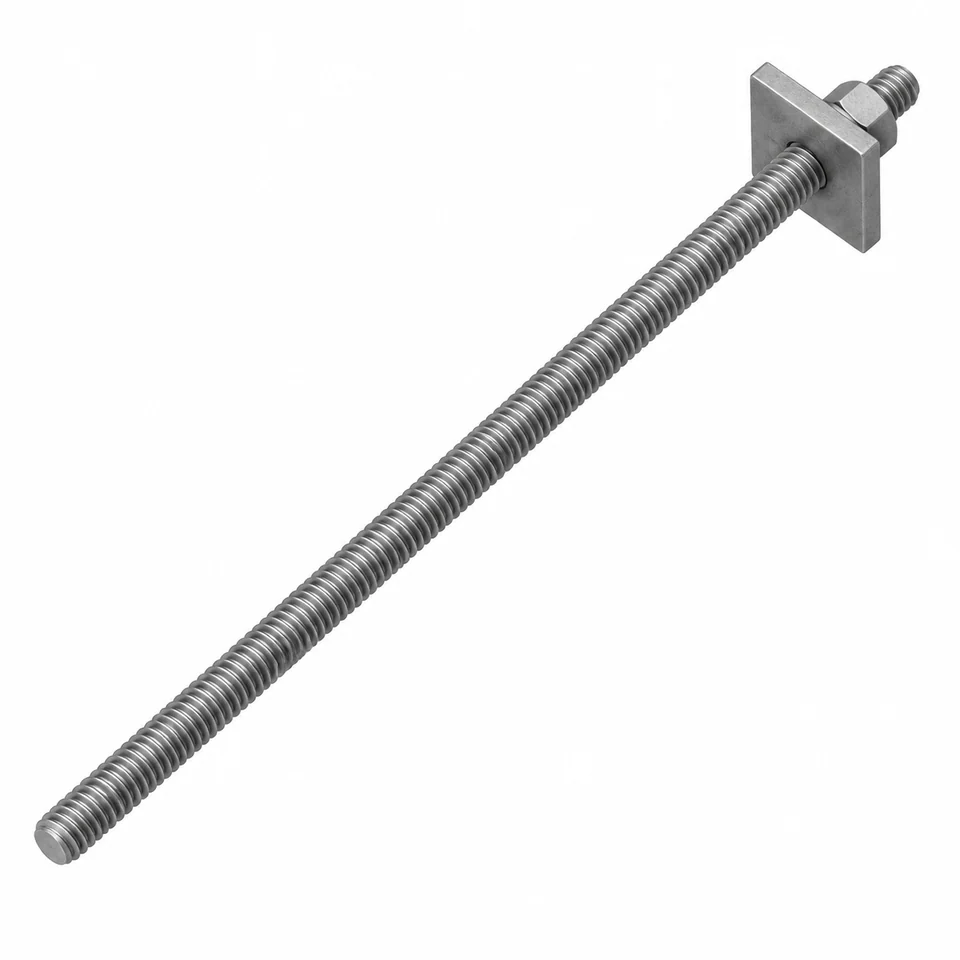
FULLY THREADED POST-TENSIONING BARS
Fully Threaded PT Bars
Continuous threads for anchorage.
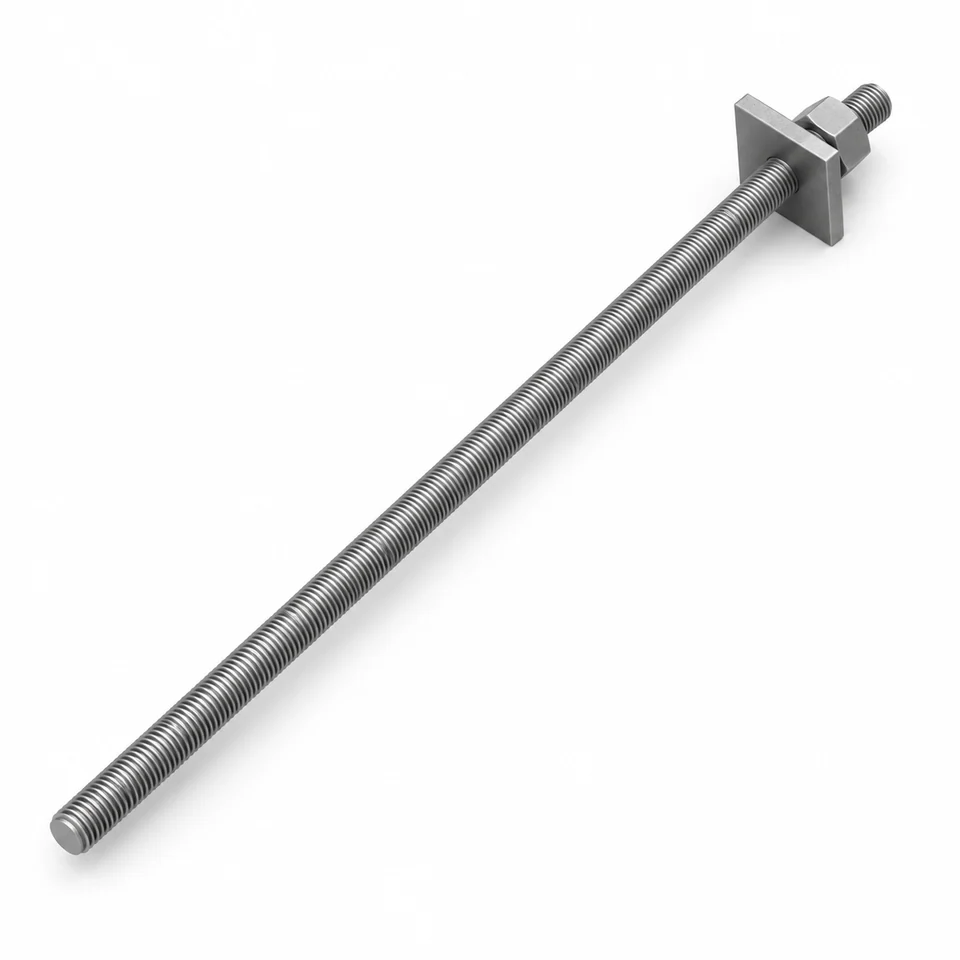
COLD-ROLLED FULLY THREADED BARS
Cold-Rolled PT Bars
Cold-rolled, fully threaded bars.
Foundation Anchor Bolts
Coordinate anchor-rod threads with the cage geometry.
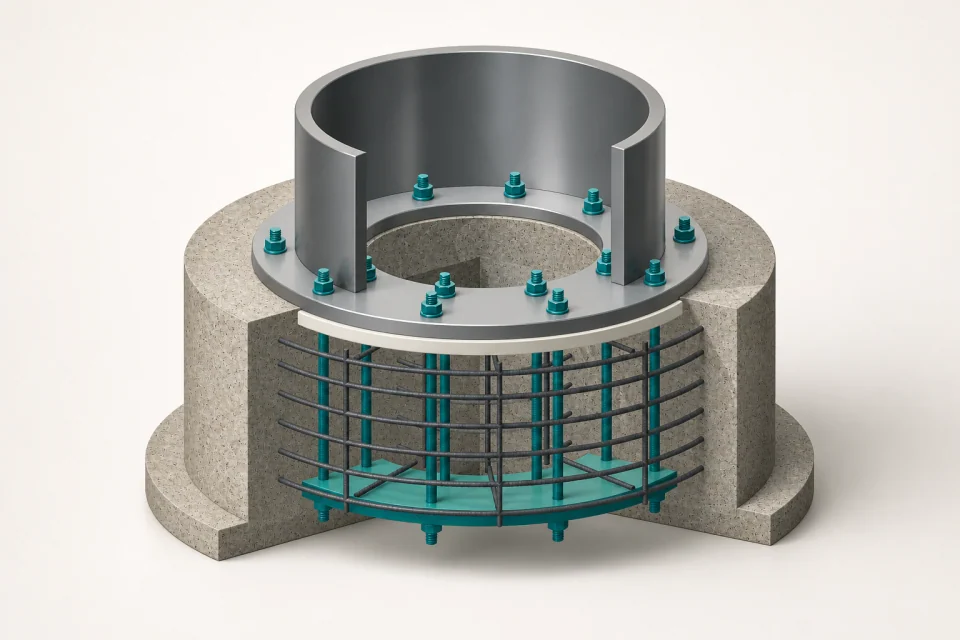
Wind turbine foundation anchor bolts and prepared anchor-rod material are supplied for purchaser-designed foundation assemblies. Cyclic tension, maintained preload, thread-root geometry and transition details take priority over a static strength value alone.
- Supply
- Raw or heat-treated bar, thread-ready preparation, cut lengths and identity marking; complete cage design remains purchaser-defined.
- Interfaces
- Thread system, nuts and couplers, foundation template geometry, straightness, erection tolerance and protection zones.
- Acceptance
- Load spectrum, preload and fatigue requirements; heat identity, mechanical results, thread and dimensional records, and specified NDT.
Holding-Down Bars
Align the embedded and exposed lengths.
Structural anchor bars and high-strength holding-down bars form part of the foundation anchorage range. Confirm the approved material, finished geometry and end interfaces for the project rather than treating an anchor-bar family as a completed foundation system.
- Geometry
- Overall length, embedment, projection, thread length and end transitions.
- Connections
- Nut and bearing interfaces, template fit, installation space and dimensional tolerances.
- Order basis
- Material and target properties, coating route, identification, tests and delivery quantities.
Shear Connection Bars
Confirm the connection from its drawing.
Shear key bars and shear connection bars are available within structural anchor and foundation products. Supply follows the specified bar shape, dimensions, material and connection detail; the engineer defines the shear-transfer mechanism and acceptance requirements.
- Scope
- Shear key bars / shear connection bars to the purchaser’s drawing; no standard connection capacity is implied.
- Geometry
- Diameter or section, finished length, end preparation, embedment and installation interfaces.
- Inputs
- Design connection, material specification, tolerances, protection, inspection and quantity.
High-Strength Fastener Bar
Specify the installed pretension.
Alloy-steel bar routes support purchaser-specified bolting and stud manufacture. Property class, thread manufacture, nut pairing, coating friction and installation method must achieve the specified preload while controlling relaxation.
- Supply
- QT or peeled bar and machining allowance; fastener properties follow the full manufacturing and assembly specification.
- Inputs
- Property class, nut pairing, thread route, coating or lubricant condition and installation method.
- Records
- Delivery condition and mechanical results, thread-gauge records, identity marking and ordered finish checks.
Shaft & Pin Blanks
Check toughness through the controlling section.
Heat-treated, peeled or rough-machined shaft and pin blanks are supplied for heavy rotating or articulated parts. The controlling section, service temperature, impact requirement and internal-soundness acceptance govern the material route.
- Supply
- Forged or rolled route, QT condition, machining allowance and UT when specified.
- Inputs
- Finished geometry, heat-treatment section, minimum temperature, load duty, test location and NDT acceptance.
- Records
- Heat-treatment lot identity, section-relevant mechanical results, dimensional report and specified UT record.
Couplers, Nuts & Ends
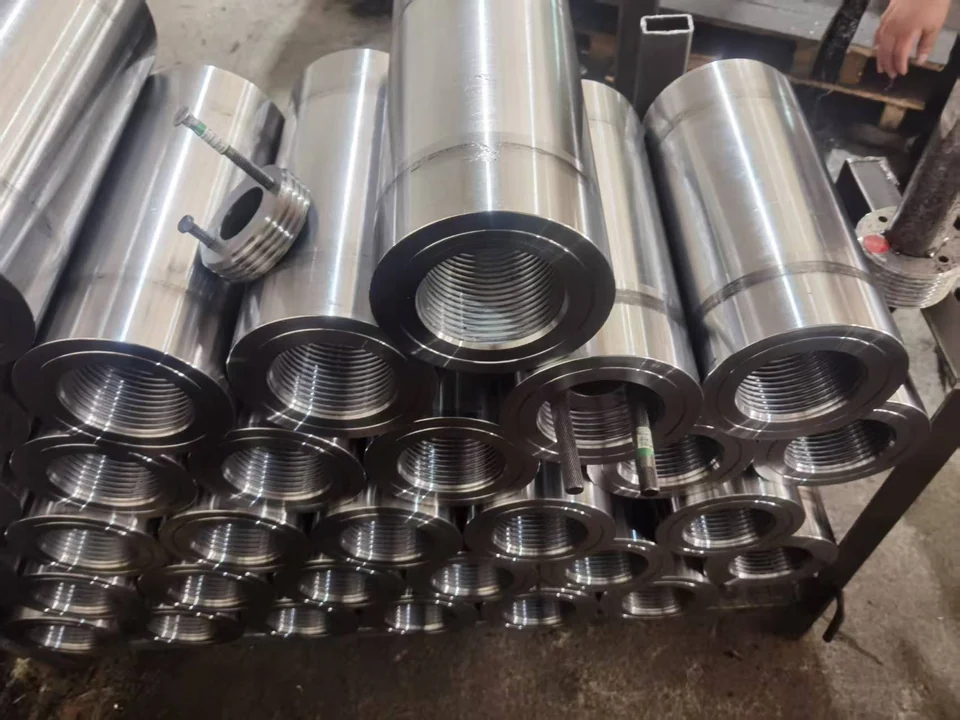
Maintain full mating-thread engagement.
Drawing-defined couplers, nuts and prepared ends are supplied to agreed dimensions and acceptance criteria. Thread form, class, handedness, engagement length and protective finish must remain compatible across all mating components.
- Supply
- Machining, the agreed thread route and protective finish when specified.
- Inputs
- Thread standard, size, class, handedness, minimum engagement, mating geometry and finish allowance.
- Records
- Gauge plan, dimensional and engagement records, component marking and finish inspection.
Post-Tensioning Bars
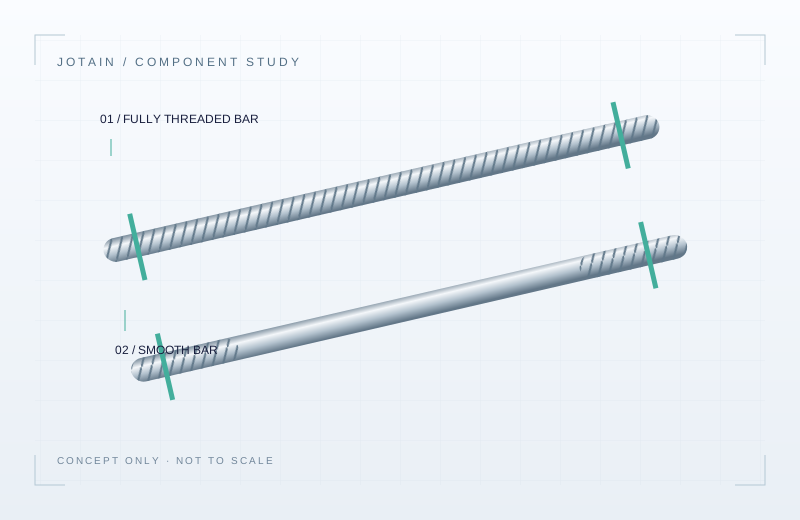
Post-tensioning for wind-energy concrete structures
We supply smooth, fully threaded and cold-rolled fully threaded steel bars with anchorage, installation, grouting and protection accessories for wind-energy concrete structures. Bar properties, connection details and stressing requirements follow the purchaser's approved design.
- Bar types
- Three separate bar routes: smooth bars, fully threaded PT bars and cold-rolled fully threaded bars.
- Interfaces
- Confirm threads, couplers, nuts, bearing plates, washers, anchorage-zone reinforcement and installation accessories together.
- Order basis
- For the cold-rolled route, confirm the actual strength class, material standard, dimensions and testing. A route name is not a finished-product performance rating.
Specifications & Accessories for the Three Bar Types
Smooth PT Bars
- Bar & Thread Form
- Smooth round bar with threads at the ends; finished geometry follows the approved drawing.
- Accessories
- Couplers, nuts, bearing plates and washers matched to the end connections.
- Specifications to Confirm
- Material standard, diameter, overall length, end threads, strength requirements, surface protection and inspection documents.
Fully Threaded PT Bars
- Bar & Thread Form
- Continuous threads along the bar; thread form, pitch and connection positions are confirmed for the project.
- Accessories
- Compatible couplers, nuts, bearing plates and spherical washers.
- Specifications to Confirm
- Diameter, thread form, cut length, mechanical properties, coupler fit and test requirements.
Cold-Rolled PT Bars
- Bar & Thread Form
- A fully threaded steel bar route; threads and finished dimensions follow the confirmed technical specification.
- Accessories
- Couplers, nuts and anchorage accessories matched to the bar threads and project requirements.
- Specifications to Confirm
- Bar standard, strength class, diameter, pitch, length and acceptance basis must be confirmed with the enquiry.
Bars & Accessories
Match supply to your project list
Drawing Review
Confirm dimensions, threads and interfaces
Inspection & Records
Agree acceptance and delivery records
Packing & Delivery
Confirm marking, protection and shipment
ACCESSORIES
Accessories for a Coordinated Supply
Connection, anchorage, installation and protection components matched to your project list.
Match bar ends, mating parts and installation geometry against the same approved drawings.
Foundation Nuts & Bearing Plates
ANCHOR-END INTERFACES
Confirm thread fit, bearing surfaces, holes and installation geometry.
Couplers
THREADED CONNECTIONS
Confirm standard, class, handedness and minimum engagement.
Prepared Ends
BAR-END PROCESSING
Confirm threads, transitions, finish allowance and end protection.
Shear Key Bars / Shear Connection Bars
STRUCTURAL CONNECTIONS
Confirm the specified geometry and shear-transfer interface against the project drawing.
For project-specified post-tensioning applications, matched to the selected bar specification.
PT Bar Couplers
BAR CONNECTION
Connect adjacent bars; confirm thread compatibility and connection length.
PT Bar Nuts
THREADED ANCHORAGE
Match the bar-end threads and anchorage requirements.
Bearing Plates
ANCHORAGE BEARING
Confirm shape, hole diameter, thickness and material against drawings.
Washers / Spherical Washers
BEARING INTERFACES
Select to suit the fit and contact surfaces at the anchorage.
Spherical Hex Nuts
SPHERICAL BEARING
Confirm the threads and spherical bearing interface.
Anchorage Zone Helical Reinforcement
LOCAL REINFORCEMENT
Confirm diameter, pitch and geometry against the project design.
PT Bar Pocket Formers
ANCHORAGE RECESSES
Form space around the anchorage end; confirm dimensions against drawings.
Pocket Former Spacer Nuts
FORMER POSITIONING
Match the former position and end installation requirements.
Duct Collars / Trumpets
DUCT & GROUT INTERFACES
Confirm the duct, anchorage end and grouting interfaces.
Fibre-Reinforced Nylon End Caps
END PROTECTION
Match the end geometry, connection and protection requirements.
Confirm grouting and protective materials against the project protection system.
Cement Grout
GROUTING MATERIAL
Confirm material properties, installation suitability and acceptance requirements against the project specification.
Wax, Heat-Shrink Sleeves & Corrosion Protection
PROTECTIVE MATERIALS
Confirm material and interface compatibility with the project exposure and protection system.
INSTALLATION & PROTECTION
From Anchor Cage to Installed Preload
Coordinate the material, thread system, template and surface protection with the purchaser’s foundation design.
Foundation Geometry
Confirm anchor-rod lengths, embedment, projection, thread lengths and the foundation template. Include holding-down and specified shear-connection details, straightness and erection tolerance.
Add to Project EnquiryBolting & Mating Parts
Confirm thread standard and class, nut and coupler engagement, property class, coating friction or lubricant and installation method. The project defines target preload and relaxation limits.
Add to Project EnquiryProtection & Concrete Interfaces
Review minimum service temperature, exposure, coating-related hydrogen risk and protective packing. For PT supply, confirm anchorage, grouting and protection compatibility with the design.
Add to Project Enquiry- Project Drawings
- Product Selection
- Accessory List
- Inspection Review
- Packing & Delivery
SUPPLY SCOPE
A Clear Supply Scope.
A Better Project Brief.
JOTAIN supplies foundation anchor bars and bolts, structural connection bars, bolting material, processed fittings, shaft and pin blanks, and PT products against the purchaser’s project requirements.
- Our scope
- Confirmed bar and component supply, material condition, end preparation, dimensions, specified protection, inspection, traceability and delivery records.
- Engineering team
- Foundation and tower design, fatigue spectrum, target preload, member and connection capacities, template and erection geometry, installation method and final acceptance.
ENGINEERING REQUIREMENTS
Specify Fatigue, Preload & Interfaces
Wind-foundation procurement follows the purchaser’s load spectrum, service environment and approved connection details.
Loading
Cyclic tension, preload and relaxation
Environment
Service temperature and exposure
Material Route
QT requirements for the section size, and thread preparation
Verification
Heat identity, properties, geometry and NDT
Wind Foundation Conditions
Review the threaded load path and the actual controlling section together.
Loading & Preload
Thread-root fatigue needs explicit inputs
The purchaser’s fatigue and preload model defines the material review. Cyclic tension, maintained preload, thread roots and transition details must be considered beyond static strength alone.
- Inputs
- Design load spectrum, target preload, preload loss or relaxation criteria, thread-root detail and connection stiffness.
- Checks
- Material condition, thread manufacture, nut pairing, coating friction, installation method and ordered test results.
Temperature & Protection
Match toughness and finish to service
Minimum service temperature and exposure affect impact toughness and protection. Section size and the heat-treatment route influence mechanical acceptance.
- Inputs
- Minimum service temperature, corrosion category, controlling section and impact-test requirements.
- Process
- Confirm coating-related hydrogen risk, post-process controls, protective finish and packing.
Mating Interfaces
Coordinate threads, template geometry and erection tolerances
Thread, nut, coupler and foundation template geometry must be compatible. Finish allowance must retain minimum engagement and assembly fit.
- Interfaces
- Thread standard, size, class and handedness; nut and coupler engagement.
- Acceptance
- Straightness, finished length, template and erection tolerances, gauge plan and component identification.
PUBLISHED BAR SUPPLY RANGE
Candidate Bar Materials & Supply Ranges
Candidate routes for anchor, fastener and shaft review, selected against section size, target properties, fatigue inputs and the approved specification.
42CrMo4 / 4140
- Standard
- 42CrMo4 (ISO 683-2) / SAE 4140 (SAE J404)
- Supply / Processing
- Black / peeled / machined
- Delivery Condition
- QT or prepared blank
- Use in Review
- Common high-strength, hardenable route for load-bearing parts.
- Application Limits
- Final suitability depends on section size and project requirements; cross-standard substitutions need verification.
34CrNiMo6
- Standard
- 34CrNiMo6; verify any proposed SAE 4340 substitution
- Supply / Processing
- Hot rolled / forged / machined
- Delivery Condition
- QT or forged route
- Use in Review
- A higher-hardenability and toughness route for heavy sections.
- Application Limits
- Use only when the purchaser’s specification permits it.
35CrMo
- Standard
- 35CrMo; verify any proposed SAE 4135 or 34CrMo4 substitution
- Supply / Processing
- Hot rolled / forged / machined
- Delivery Condition
- QT or thread-ready
- Use in Review
- Candidate fastener and threaded-component route.
- Application Limits
- Fastener class and assembly performance remain purchaser-defined.
PROCESSING & DELIVERY
From Approved Material to Delivery
A process route for steel bars and machined components. The exact steps depend on the product and order.
- 01
Bar or Forging Route
- 02
Heat Treatment
- 03
Peeling & Rough Machining
- 04
Thread Preparation
- 05
Specified Protection
- 06
Inspection & Packing
INSPECTION & RECORDS
Confirm Inspection
Before Production.
Define sampling positions, test scope, inspection stages and delivery records against project acceptance requirements. Agree test positions, acceptance criteria, marking and release records before production.
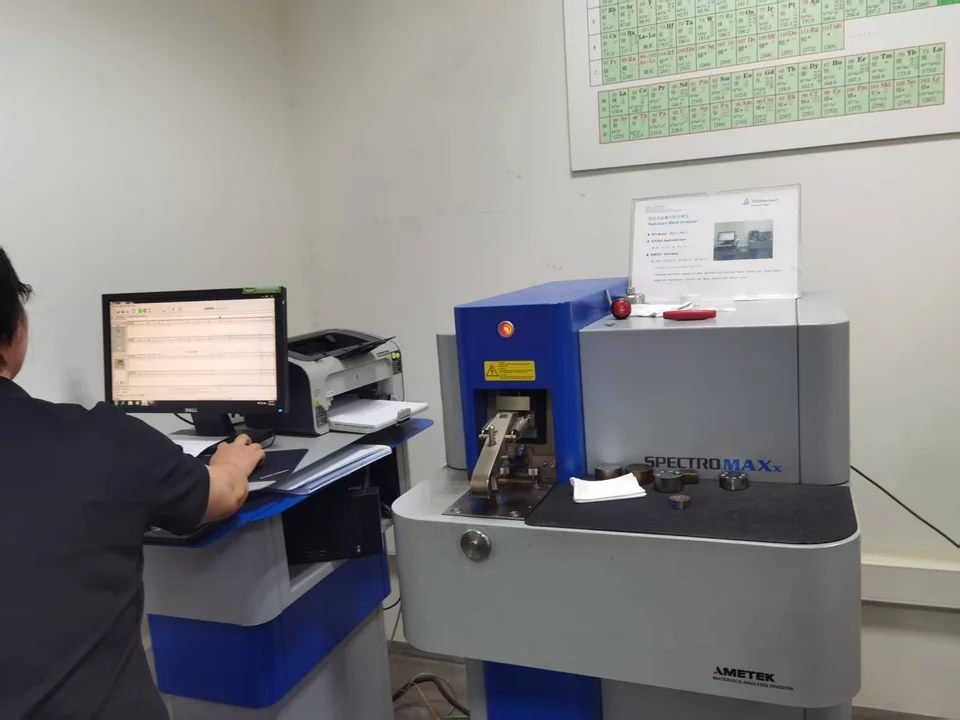
Material Identity
Heat-number traceability, chemical analysis and delivery-condition records.
Mechanical Acceptance
Tensile and hardness tests, impact testing when specified, and test locations defined by the order.
Geometry & Integrity
Thread and dimensional inspection, straightness, and UT or other NDT when specified.
REFERENCE & ORDER BASIS
Standards for Your Order
Use the approved drawings, project specification, inspection plan and stated editions of the standards.
IEC 61400-6
Tower and foundation design context; purchaser and OEM requirements control material procurement.
Open ReferenceISO 898-1
Fastener-property context within the standard’s stated dimensional and temperature scope.
Open ReferenceSUPPLY SUPPORT
From Specification to Delivery
Processing Capabilities
Explore heat treatment, cut lengths, surface finishing and thread preparation. Confirm the supply stage against your drawings.
Explore ProcessingInspection & Traceability
Confirm heat identification, dimensions, mechanical properties and specified inspections, together with the order documents.
View Quality & DocumentsTechnical Resources
Bring material standards, dimensions and technical specifications to support the review of bars and accessories for your enquiry.
Browse ResourcesDiscuss your project
Send your requirements directly to JOTAIN. We will reply to your email.