

BRIDGES & RAIL TRANSPORT
Bridges & Rail Transport
Bridge bars and tunnel support
Post-tensioning bars and accessories, Soft-Eye, FRP rock bolts and tunnel support products.
Dimensions, connections and inspection are agreed against your drawings.
APPLICATIONS
Products for Different Bridge Settings
Bridges & Viaducts
Explore Application
Segmental Bridges
Explore Application
Rail Bridges & Viaducts
Explore ApplicationBRIDGES & VIADUCTS
Bridges & Viaducts
Post-tensioning bars for bridge structures, decks and concrete viaducts. Confirm bar form, connection interfaces and anchorage accessories against project drawings.
Project Checklist
- Bar diameter, length and thread form
- Bearing plate, nut and coupler interfaces
- Project inspection and protection requirements
SEGMENTAL BRIDGES
Segmental Bridges
Post-tensioning bars and accessories for precast segment assembly and bridge connections. Check bar lengths, connection positions and quantities against construction drawings and the installation sequence.
Project Checklist
- Temporary or permanent service conditions
- Segment assembly, bar connections and installation sequence
- Couplers, end anchorage and protection accessories
RAIL BRIDGES
Rail Bridges & Viaducts
Post-tensioning bars for railway bridges and viaducts. The project engineering team defines loading, fatigue and acceptance requirements before the material and component supply route is confirmed.
Project Checklist
- Project drawings and applicable technical specifications
- Loading, fatigue and inspection requirements
- Dimensions, connections and delivery records
OUR SUPPLY
Find the Products Your Project Needs
Choose a product to view specifications and accessories.
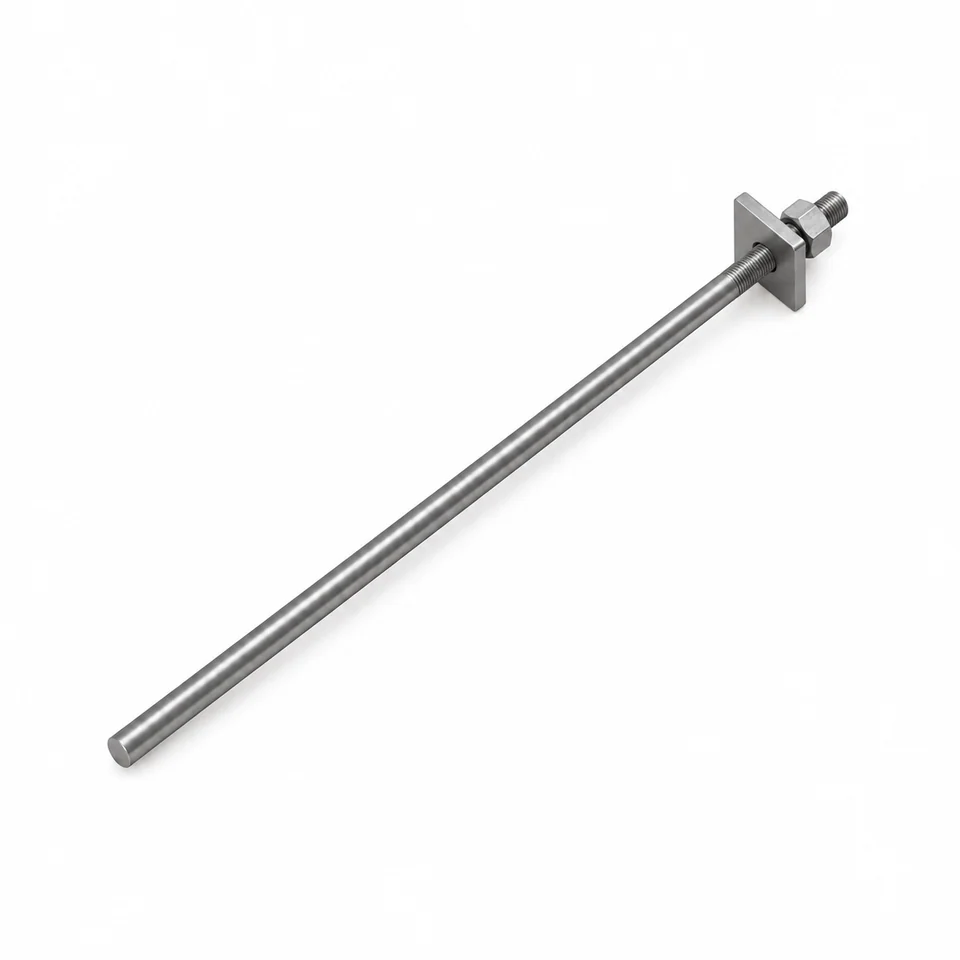
SMOOTH PT BARS
Smooth PT Bars
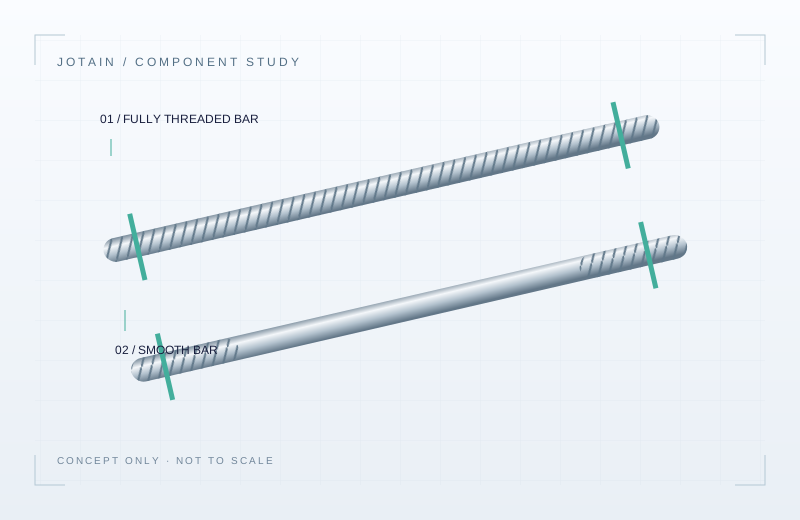
Smooth bar with threaded ends.
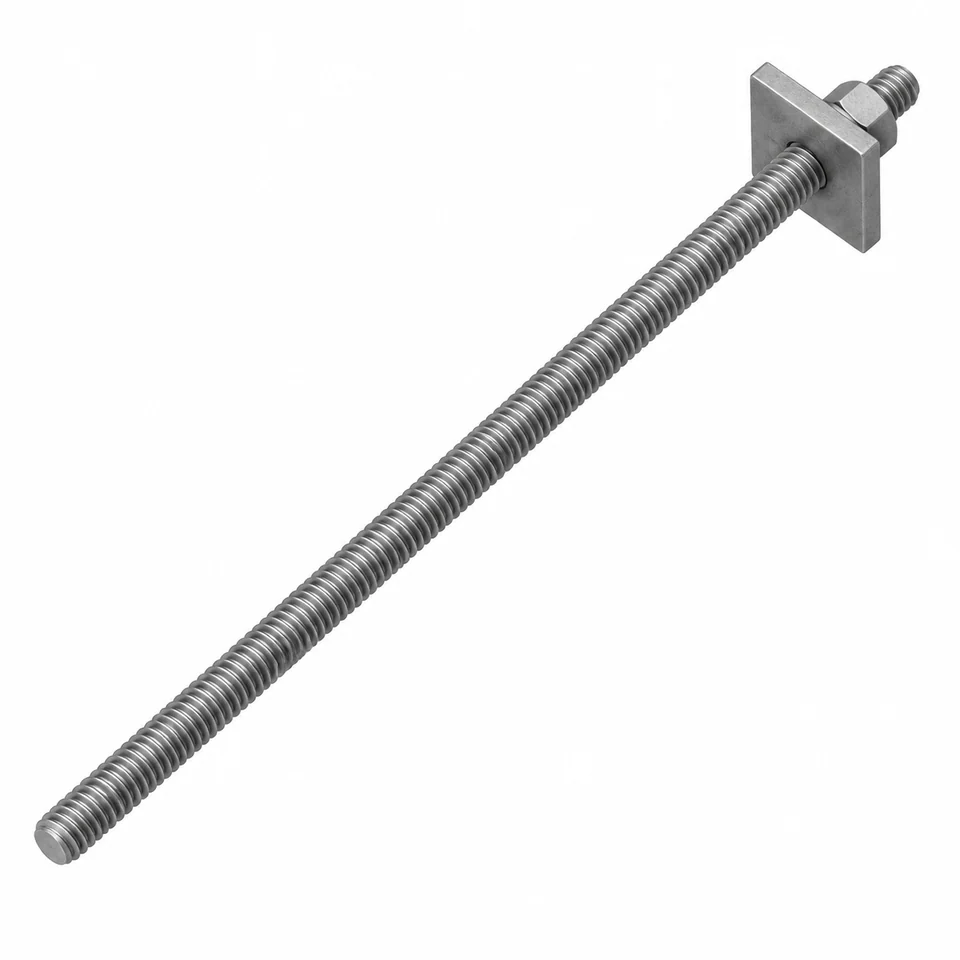
FULLY THREADED PT BARS
Fully Threaded PT Bars
Continuous threads for anchorage.
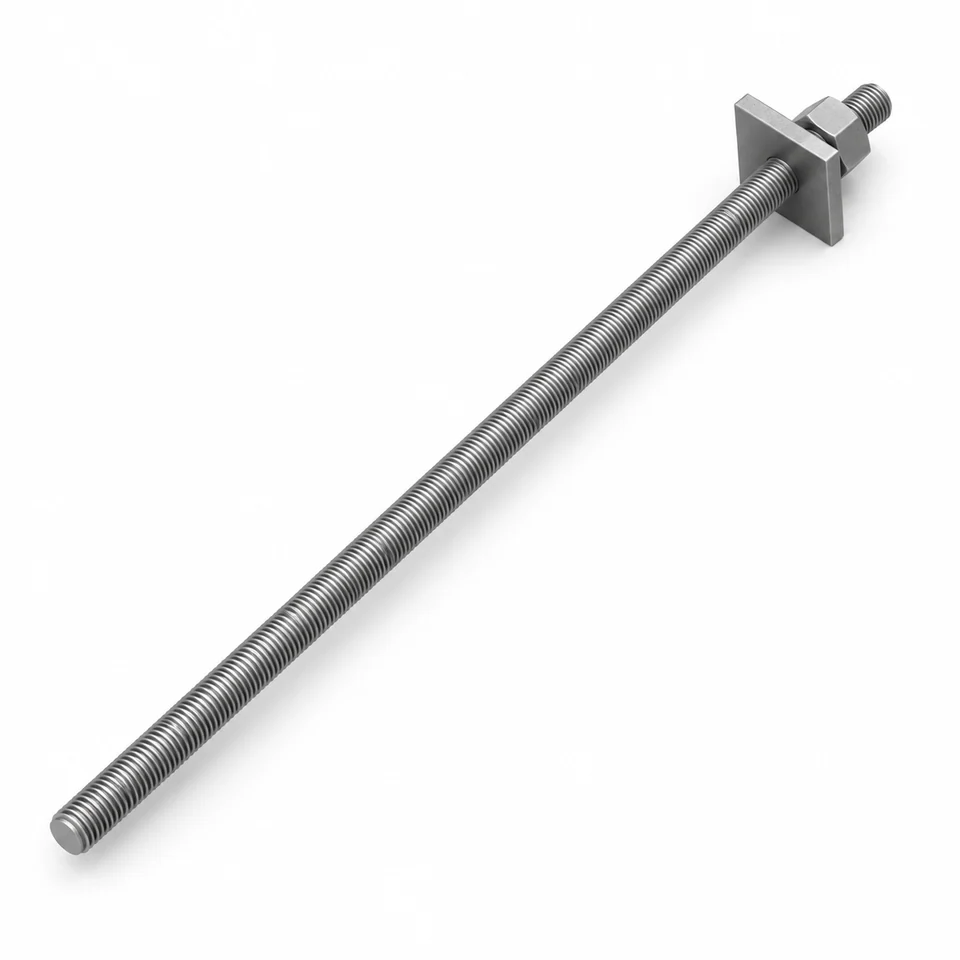
COLD-ROLLED THREADED BARS
Cold-Rolled PT Bars
Cold-rolled, fully threaded bars.
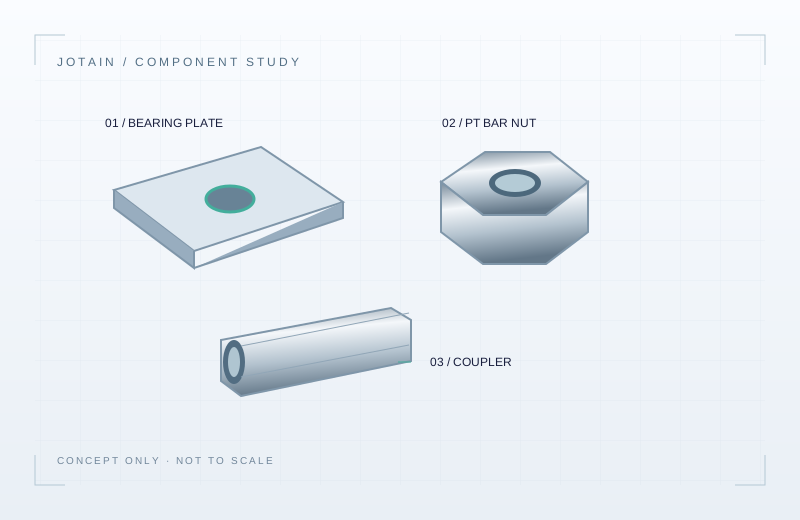
COUPLING & ANCHORAGE
Coupling & Anchorage
Matching couplers, nuts and bearing plates.
SOFT-EYE & FRP ROCK BOLTS
Soft-Eye & FRP Bolts
For metro stations and TBM breakthroughs.
TUNNEL SUPPORT
Tunnel Support
Rock bolts, umbrella pipes and lattice girders.
HANGERS & TENSION BARS
Hangers & Tie Bars
Tie bar material and end machining.
ANCHOR & THREADED RODS
Anchor & Threaded Rods
Bar for infrastructure anchorage.
BEARING PINS & SHAFTS
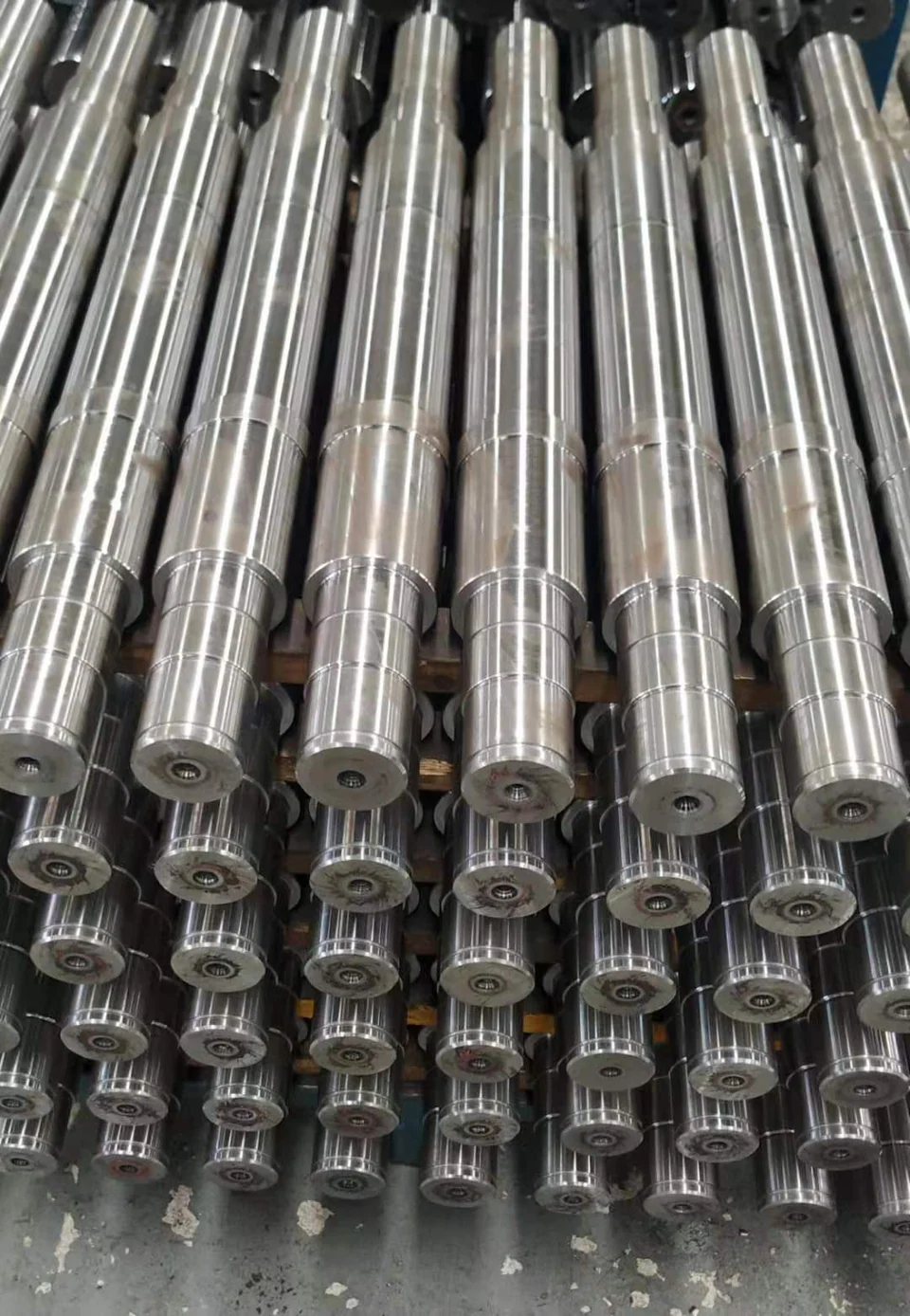
Bearing Pins & Shafts
Pin and shaft blanks for articulated joints.
Post-Tensioning Bars
Connecting Bridge Segments and Structural Members
Post-tensioning bars and accessories for conventional bridges, precast segmental bridges, railway bridges, viaducts and metro station connections. Confirm bar form, connection method and the delivery list against project requirements.
- Bar types
- High-strength fully threaded and smooth post-tensioning bars
- Additional Route
- CR Bar 1080 is listed as a supply route; the exact specification and performance remain subject to confirmation.
- Enquiry
- Bar diameter, length, threads, material standard, performance requirements and accessory quantities
Specifications & Accessories for the Three Bar Types
Smooth PT Bars
- Bar & Thread Form
- Smooth round bar with threads at the ends; finished geometry follows the approved drawing.
- Accessories
- Couplers, nuts, bearing plates and washers matched to the end connections.
- Specifications to Confirm
- Material standard, diameter, overall length, end threads, strength requirements, surface protection and inspection documents.
Fully Threaded PT Bars
- Bar & Thread Form
- Continuous threads along the bar; thread form, pitch and connection positions are confirmed for the project.
- Accessories
- Compatible couplers, nuts, bearing plates and spherical washers.
- Specifications to Confirm
- Diameter, thread form, cut length, mechanical properties, coupler fit and test requirements.
Cold-Rolled PT Bars
- Bar & Thread Form
- A fully threaded steel bar route; threads and finished dimensions follow the confirmed technical specification.
- Accessories
- Couplers, nuts and anchorage accessories matched to the bar threads and project requirements.
- Specifications to Confirm
- Bar standard, strength class, diameter, pitch, length and acceptance basis must be confirmed with the enquiry.
Coupling & Anchorage
Coupling & Anchorage
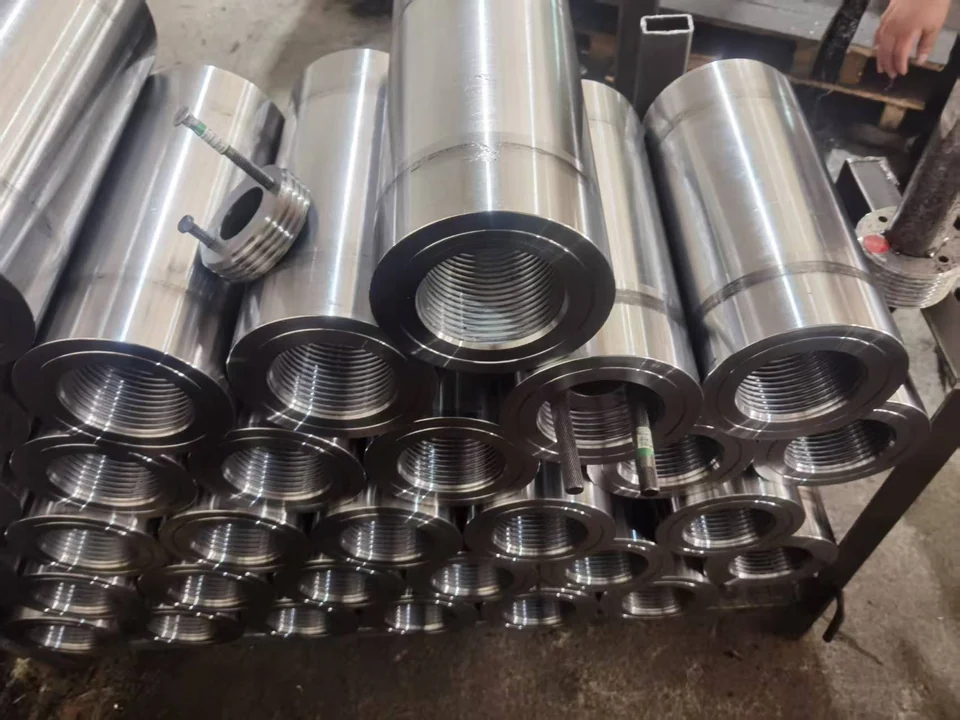
Coordinating Accessories Around a Common Interface
Accessories for segment connections and end anchorage of post-tensioning bars. Check threads, bearing faces, engagement lengths and installation space against bar and anchorage drawings.
- Connection Parts
- PT bar couplers and nuts
- Anchorage Parts
- Bearing plates, washers, spherical washers and spherical hex nuts
- Enquiry
- Bar-to-accessory compatibility, interface drawings, materials and inspection requirements
Soft-Eye & FRP Bolts
Soft-Eye & FRP Bolts
For Underground Stations and TBM Breakthroughs
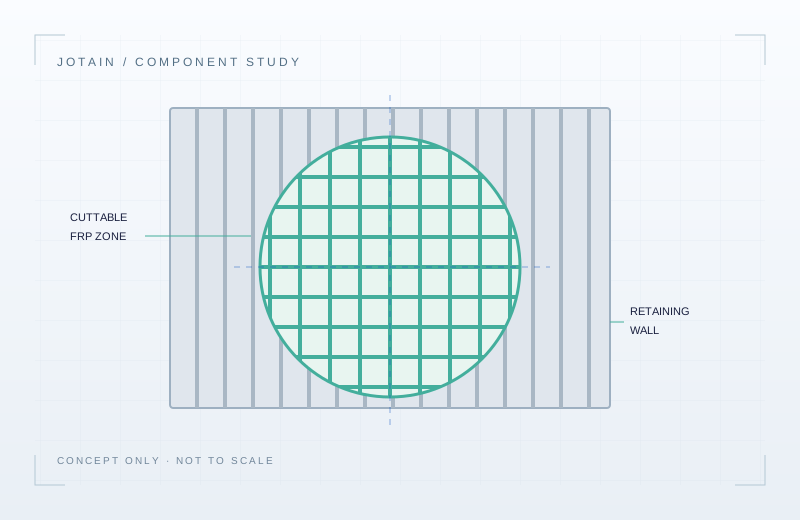
Cuttable Soft-Eye reinforcement and solid FRP rock bolts for metro stations and TBM launch and reception areas. Confirm materials, component lists and delivery form against retaining structure and breakthrough zone designs.
- Products
- Cuttable Soft-Eye reinforcement and solid FRP rock bolts
- Application Area
- Underground station retaining structures, TBM breakthrough walls and reception structures
- Enquiry
- Zone drawings, component dimensions, material properties, connections and acceptance requirements
Tunnel Support
Tunnel Support
Products Matched to Ground and Support Designs
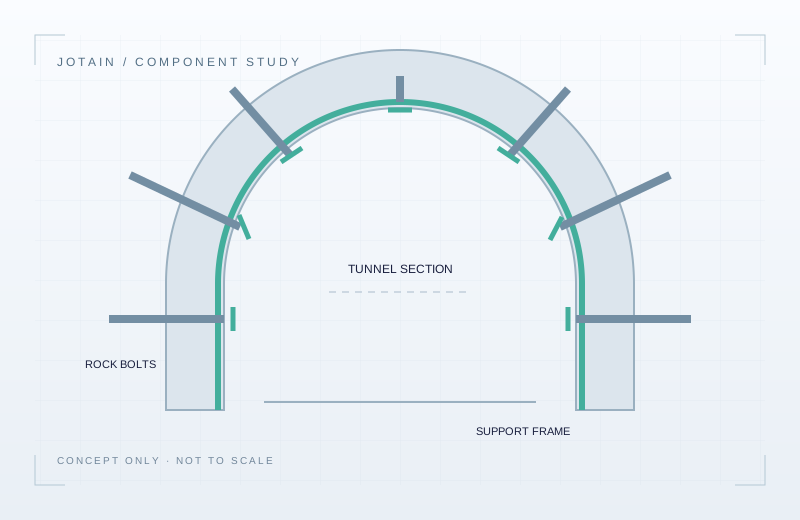
Rock bolts, forepoling umbrella pipes and lattice girders for immediate and permanent tunnel support. The project design determines the support system; product specifications, interfaces and accessories are then confirmed individually.
- Rock Bolt Routes
- Self-drilling hollow bolts, expandable friction bolts, mechanical rock bolts and anchor head accessories
- Additional Products
- Solid and hollow FRP bolts, steel or FRP combination bolts, tunnel lattice girders and forepoling umbrella pipes
- Enquiry
- Support drawings, bar and tube specifications, accessories, protection and inspection requirements
Hangers & Tie Bars
Hangers & Tie Bars
Fatigue Resistance at Threads and Ends
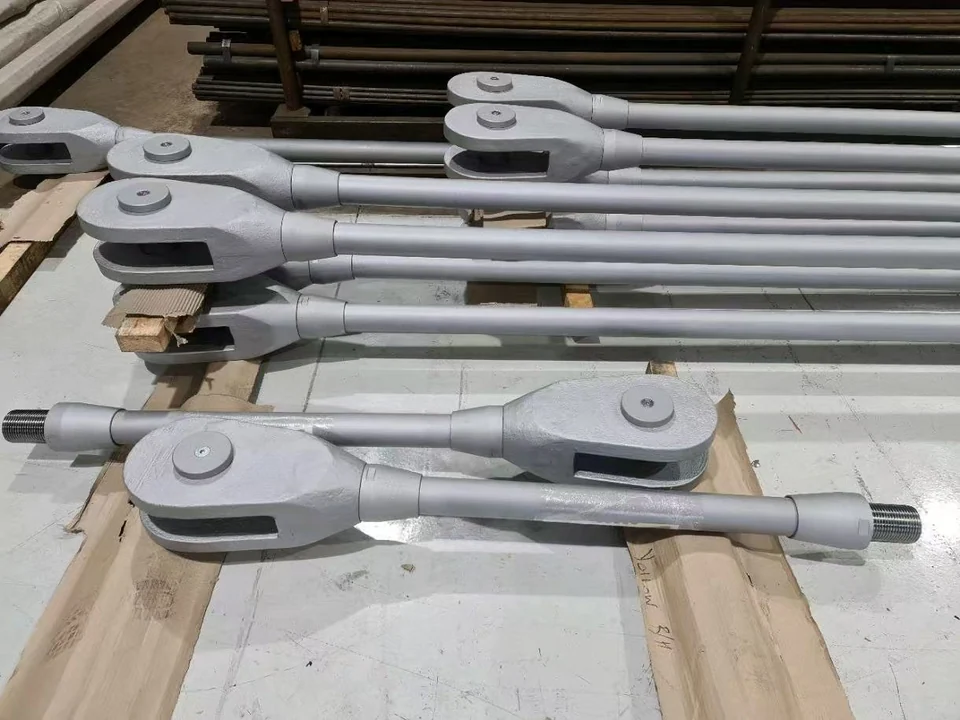
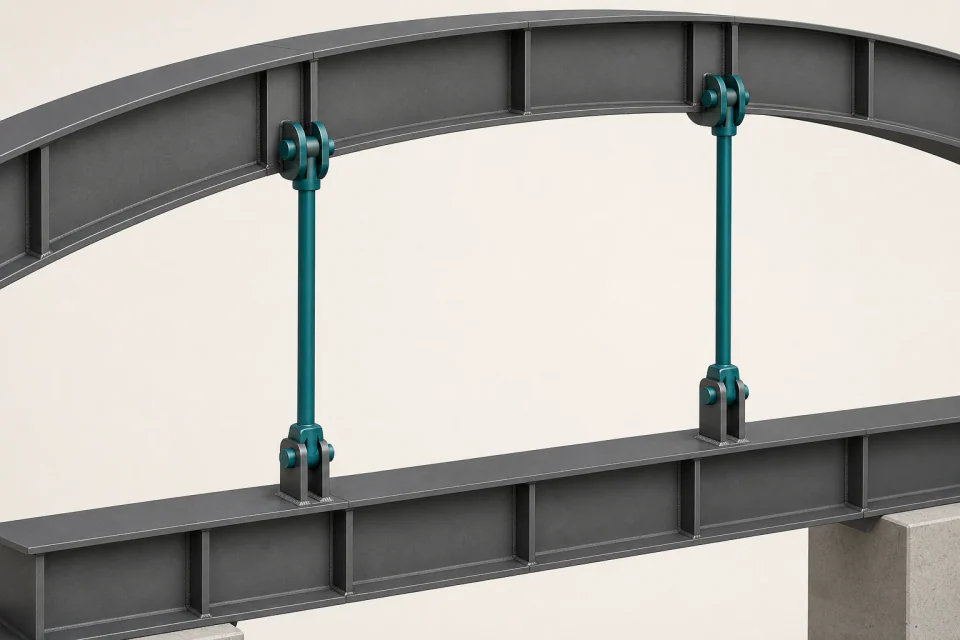
High-strength bar material for repeated loading, with ends machined to drawings. Repeated loads concentrate demand at thread roots, end transitions and connection details; the fatigue design basis must govern the supply route.
- Supply
- Heat-treated bar, thread or end machining and dimensional inspection
- Fatigue & Fracture
- Cyclic loading details cannot be defined by static strength targets alone.
- Inputs
- Fatigue category, load spectrum, fracture toughness and service temperature
Anchor & Threaded Rods
Anchor & Threaded Rods
Durability in Loaded Anchorage Zones
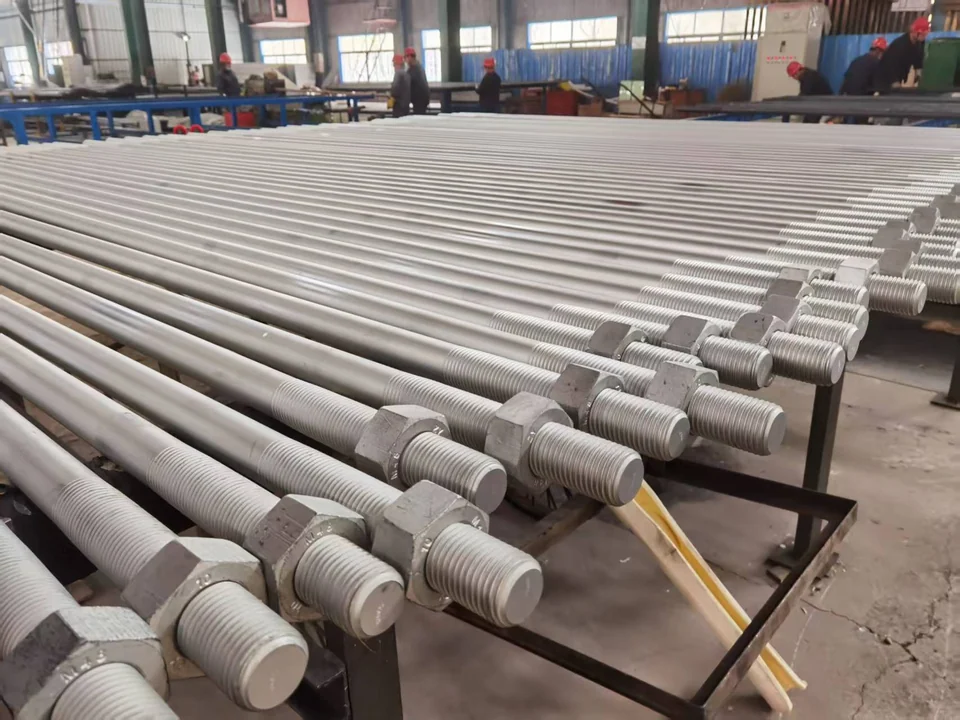
Bar and prepared threaded material for buyer-designed infrastructure anchorage. Protection of exposed threads and transitions, drainage, inspection access and replacement strategy determine lifecycle reliability.
- Supply
- Specified grade, cut lengths and protection as required.
- Lifecycle
- Inspection access and corrosion protection influence the supply route.
- Inputs
- NDT scope, protection system, inspection access and replacement strategy
Bearing Pins & Shafts
Bearing Pins & Shafts
Pin-to-Bore Fit and Contact Integrity
Tough, machinable blanks for articulated and rotating interfaces. Diameter, roundness, surface condition, core toughness and internal quality must support the specified bearing and articulation interfaces.
- Supply
- Q&T bar, rough machining and UT as specified.
- Connections
- Bolt and pin interfaces depend on installation and fit.
- Inputs
- Preload or slip-resistance design intent, pin and bore tolerances, surface and assembly condition
Bars & Accessories
Match supply to your project list
Drawing Review
Confirm dimensions, threads and interfaces
Inspection & Records
Agree acceptance and delivery records
Packing & Delivery
Confirm marking, protection and shipment
ACCESSORIES
Accessories for a Coordinated Supply
Connection, anchorage, installation and protection components matched to your project list.
Coordinate bar connections and end anchorage around one set of interface requirements.
PT Bar Couplers
PT Bar Coupler
Connect adjacent bars; confirm thread compatibility and connection length.
PT Bar Nuts
PT Bar Nuts
Match the bar-end threads and anchorage requirements.
Bearing Plates
PT Bar Bearing Plates
Confirm shape, hole diameter, thickness and material against drawings.
Washers / Spherical Washers
Washers / Spherical Washers
Select to suit the fit and contact surfaces at the anchorage.
Spherical Hex Nuts
Spherical Hex Nut
Confirm the threads and spherical bearing interface.
Anchorage Zone Helical Reinforcement
Anchorage Zone Helical Reinforcement
Confirm diameter, pitch and geometry against the project design.
Confirm accessories for end recesses, positioning and protection.
PT Bar Pocket Formers
PT Bar Pocket Former
Form space around the anchorage end; confirm dimensions against drawings.
Pocket Former Spacer Nuts
Pocket Former Spacer Nut
Match the former position and end installation requirements.
Duct Collars / Trumpets
Duct Collar / Trumpet
Confirm the duct, anchorage end and grouting interfaces.
Fibre-Reinforced Nylon End Caps
Fibre-Reinforced Nylon End Cap
Match the end geometry, connection and protection requirements.
Confirm grouting and protective materials against the project protection system.
Cement Grout
Cement Grout
Confirm material properties, installation suitability and acceptance requirements against the project specification.
Wax, Heat-Shrink Sleeves & Corrosion Protection
Wax, Heat-Shrink Sleeves & Corrosion Protection
Confirm material and interface compatibility with the project exposure and protection system.
INSTALLATION & PROTECTION
From Installation Accessories to Grout and Protection
Coordinate these with post-tensioning bars to avoid missing interfaces or procurement items.
End Installation Accessories
PT bar pocket formers, pocket former spacer nuts, duct collars and trumpets.
Add to Project EnquiryAnchorage Zone Accessories
Anchorage zone helical reinforcement and fibre-reinforced nylon end caps. Confirm dimensions and installation interfaces against project drawings.
Add to Project EnquiryGrouting & Corrosion Protection
Cement grout, wax, heat-shrink sleeves and corrosion protection materials. Confirm compatible accessories for the service environment.
Add to Project Enquiry- Project Drawings
- Product Selection
- Accessory List
- Inspection Review
- Packing & Delivery
SUPPLY SCOPE
A Clear Supply Scope.
A Better Project Brief.
JOTAIN coordinates bars, accessories and related products for post-tensioning, structural connections and tunnel support against the project procurement list.
- Our scope
- Product specification, material and dimensions, accessory interfaces, protection, inspection basis, identification and delivery records.
- Engineering team
- System design, load and fatigue calculations, stressing parameters, support layout and final engineering acceptance requirements.
ENGINEERING REQUIREMENTS
Match the Material to the Conditions
The following information applies to relevant bridge steel components and candidate round bar routes, subject to project drawings and acceptance requirements.
Loads
Repeated loading, fatigue and occasional impact
Structural Integrity
Fracture toughness and specified NDT
Connections
Preload, slip, bearing and geometry
Protection
Exposure, coatings, inspection and replacement
Product specifications
Related Steel Component Requirements
Translate project requirements into specific products and supply stages.
High-Strength Fastener Bar
Consistent Installation Preload
Alloy bar for buyer-specified structural fasteners. Property class, thread manufacture, coating friction, assembly surfaces and installation procedures should meet the connection's intended clamping force requirements.
- Inputs
- Preload and slip-resistance design intent, bolt and pin interfaces, pin-to-bore tolerances and installation fits.
- Supply
- Material route → heat treatment → machining allowance confirmation.
PUBLISHED BAR SUPPLY RANGE
Candidate Bar Materials & Supply Ranges
Evaluate materials against section size, fatigue and fracture design inputs, machinability, delivery condition and owner specifications.
42CrMo4 / 4140
Material properties and dimensions
- Standard
- 42CrMo4 (ISO 683-2) / SAE 4140 (SAE J404)
- Supply / Processing
- Black / peeled / machined
- Delivery Condition
- Q&T or rough machined
- Use in Review
- Candidate route for highly loaded pin, rod and shaft blanks.
- Application Limits
- Fatigue and fracture acceptance remain project-specific; cross-standard substitutions require verification.
34CrNiMo6
Material properties and dimensions
- Standard
- 34CrNiMo6; any proposed SAE 4340 substitution requires verification
- Supply / Processing
- Hot rolled / forged / machined
- Delivery Condition
- Q&T or forged route
- Use in Review
- A higher-hardenability material route to evaluate for large sections with toughness requirements.
- Application Limits
- Use only where permitted by the approved material specification.
35CrMo
Material properties and dimensions
- Standard
- 35CrMo; verify any proposed SAE 4135 or 34CrMo4 substitution
- Supply / Processing
- Hot rolled / forged / machined
- Delivery Condition
- Q&T or fastener bar supply route
- Use in Review
- Candidate material for drawing-defined threaded and fastener components.
- Application Limits
- Material supply does not establish connection system compliance.
PROCESSING & DELIVERY
From Approved Material to Delivery
A process route for steel bars and machined components. The exact steps depend on the product and order.
- 01
Approved bar production route
- 02
Heat Treatment
- 03
Peeling or rough machining
- 04
Thread or pin machining
- 05
Specified NDT and dimensional checks
- 06
Protection and packing
INSPECTION & RECORDS
Confirm Inspection
Before Production.
Define sampling positions, test scope, inspection stages and delivery records against project acceptance requirements. Agree test positions, acceptance criteria, marking and release records before production.
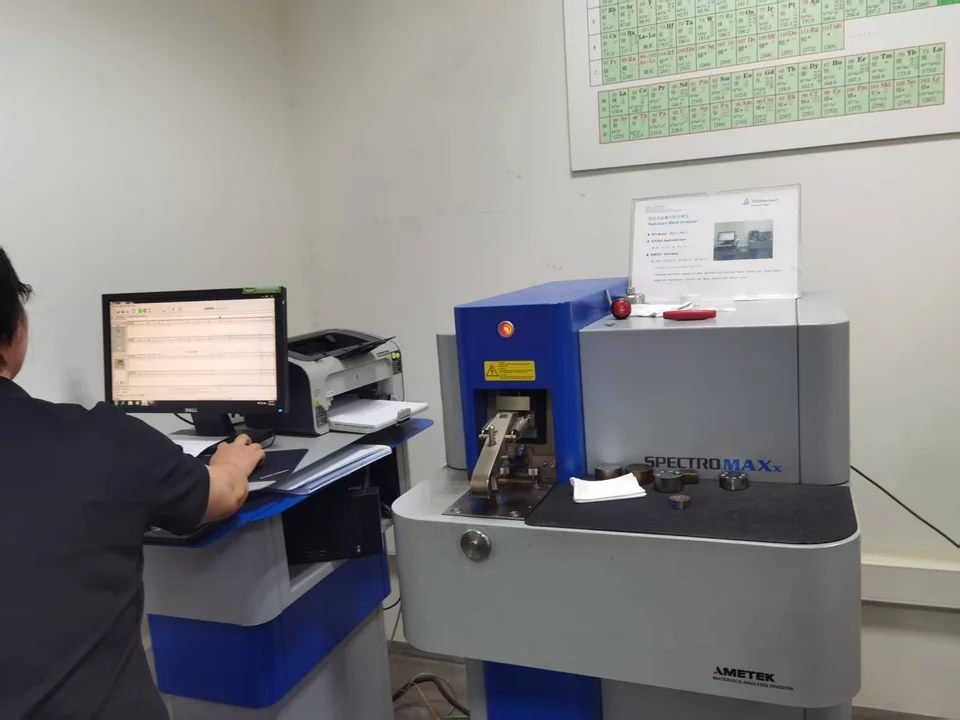
Inspection items
Material & Properties
Bar heat number or product batch, material properties and project-specified tests. Confirm heat identification, mechanical properties and impact testing where specified.
Internal & Surface Quality
Confirm surface checks, specified testing and acceptance by product type, including UT or other specified NDT against the criteria stated in the order.
Dimensions & Records
Bar diameter, length, threads, accessory interfaces and delivery records. Check diameter, straightness, thread or pin dimensions and machining allowances.
REFERENCE & ORDER BASIS
Standards for Your Order
Use the approved drawings, project specification, inspection plan and stated editions of the standards.
EN 1993 Bridge Fatigue Context
Steel bridge and fatigue design context; owner specifications govern procurement.
Open ReferenceRCSC High-Strength Bolted Joints
Structural joint design, installation and inspection context for high-strength bolts.
Open ReferenceFHWA Steel Bridges
US bridge references for fatigue, fracture, fasteners, inspection and quality.
Open ReferenceSUPPLY SUPPORT
From Specification to Delivery
Processing Capabilities
Explore heat treatment, cut lengths, surface finishing and thread preparation. Confirm the supply stage against your drawings.
Explore ProcessingInspection & Traceability
Confirm heat identification, dimensions, mechanical properties and specified inspections, together with the order documents.
View Quality & DocumentsTechnical Resources
Bring material standards, dimensions and technical specifications to support the review of bars and accessories for your enquiry.
Browse ResourcesDiscuss your project
Send your requirements directly to JOTAIN. We will reply to your email.