

Grade Selection · English guide
Technical Resources
Find the right steel buying guide.
Search by grade, application, or requirement—or choose what you need to decide.
I know what I need
/
Try examples:
84 guides available
Help me decide
What do you need to decide?
What are you buying?
Recommended path
Recommended starting points
Start here, then use the full library when you need more detail.
Best starting point42CrMo4 / 4140 round bar buying guideWhat to specify when buying 42CrMo4 or SAE 4140 QT round bar: standard, section size, delivery condition, properties, inspection, and RFQ wording.Grade SelectionInspection controlUltrasonic testing requirements for steel round barsA round-bar UT requirement needs method, coverage, calibration, acceptance, personnel, test stage, and reporting. “UT passed” is not enough.Inspection PreparationPrepare the requirementHow to send an RFQ for alloy steel round barsA complete alloy-steel RFQ needs more than grade and diameter. Close the product, inspection, document, packing, and delivery points before comparing prices.RFQ Preparation
Technical Resources
Latest publications
New decision guides, ordered by publication date.
Complete library
Browse all technical resources.
Open a topic or use the finder above to narrow the full guide library.
Grade Selection
Compare grades before sending your RFQ.
03 guides
Grade Selection
Compare grades before sending your RFQ.
English topic hubChoose a steel grade for the duty, section size and processing.↗
Grade Comparison · English guide
40Cr vs 42CrMo steel selection
40Cr and 42CrMo differ in alloy content and heat-treatment response. The chromium-molybdenum route of 42CrMo can support higher reference strength and deeper hardening; 40Cr can suit parts whose section and duty are covered by the approved heat-treatment route. Compare the controlling GB/T 3077 edition, delivered condition and test location before choosing. Reference-specimen values do not guarantee the properties at the center of every production bar.Hardenability Evidence · English guide
Jominy hardenability and section-size evidence for steel bar RFQs
A Jominy result shows hardness along a standard end-quenched specimen. It helps assess hardenability, but distance from that quenched end is not a depth coordinate in a production bar. In the RFQ, distinguish a measured curve, a specified band, a permitted calculation, and a check on the treated section, with the method and material identity stated.Grade Comparison
Check grade names against the required standard.
08 guides
Grade Comparison
Check grade names against the required standard.
English topic hubCompare steel grades without assuming they are interchangeable.↗
Grade Comparison · English guide
42CrMo4 vs 4140 vs SCM440 for round bar RFQs
42CrMo4, SAE 4140, SCM440, and 42CrMo are related chromium-molybdenum steels, not four spellings of one specification. Their chemistry limits, delivery rules, property tables, sampling, and document routes differ. Name one governing standard in the RFQ and handle the others as reviewed alternatives.Grade Comparison · English guide
CK45, C45, and SAE 1045 round bar: compare the standard before the grade name
CK45, C45/C45E and SAE 1045 belong to the same broad medium-carbon steel family, but substitution requires a review of their standards and the complete purchase specification. Resolve legacy CK45 wording to its drawing or standard; distinguish C45 from the tighter phosphorus and sulfur limits of C45E; and treat SAE 1045 as a chemistry designation that still needs a complete bar specification. Approve any substitution against the required condition, section, properties and tests.Grade Comparison · English guide
65Mn vs 42CrMoA grinding rod route review
65Mn and the commercial label 42CrMoA describe different grinding rod material routes, but neither predicts operating cost on its own. Compare them at the same rod size and mill duty, with the heat-treatment route, hardness profile, straightness, breakage, wear, and inspection method visible. The plant trial matters more than an equivalence chart.Grade Comparison · English guide
35CrMo vs 42CrMo for fastener bars
35CrMo and 42CrMo are different GB/T 3077 grades; 42CrMo4 and SAE 4140 follow separate ISO and SAE routes. For fastener stock, compare the chosen standard alongside section size, heat treatment, thread sequence, required properties, coating risk, inspection, and permitted substitutions.Grade Comparison · English guide
42CrMo4 vs CK45 for hydraulic cylinder rods
Choose hydraulic cylinder rod material after the load, unsupported length, end geometry, duty cycle, environment, and surface system are known. Resolve CK45 to a current C45/C45E or other approved standard before comparing it with 42CrMo4. The grade certificate won't answer buckling, fatigue, straightness, or plating questions on its own.Grade Comparison · English guide
4140 vs 4130 vs 4340 steel selection for industrial buyers
JOTAIN Materials compares SAE 4130, 4140, and 4340 by material specification and processing requirements. Before selection, define the product specification, delivery condition, heat-treatment ruling section, required properties, specimen locations, and inspection plan. SAE 4130 is lower-carbon Cr-Mo, SAE 4140 is higher-carbon Cr-Mo, and SAE 4340 is Ni-Cr-Mo; SAE J404 defines composition, not the delivered bar's mechanical properties or fitness for service.Grade Comparison · English guide
CK45 / 1045 hardening review and alloy-upgrade questions
JOTAIN Materials treats “CK45 hardened” as an incomplete requirement because it can describe machinable incoming stock, a locally hardened wear surface, or through-section strength. A quotable route names the controlling standard, process owner, hardened zone and depth, core requirement, actual section, test locations, and acceptance method. Review 40Cr or 42CrMo4 only when section size and heat-treatment response justify an approved change.Grade Comparison · English guide
1045 vs 4140 material choice for shafts and rods
Choose between SAE 1045 and SAE 4140 from the shaft drawing, required surface and core properties, and section during heat treatment. Keep a qualified 1045 route when it meets the duty. Review 4140 where the specified chemistry and section response justify it, then compare machining, treatment, inspection, and finished-part cost on the same basis.Application Matching
Choose steel for the part you are making.
24 guides
Application Matching
Choose steel for the part you are making.
English topic hubStart with the part, then choose the material and processing.↗
Application Matching · English guide
Hydraulic cylinder and piston rod material selection
JOTAIN Materials can quote hydraulic rod supply at three distinct stages: base steel bar, a machined or plating-prepared rod, or a final chrome-plated rod through its Jiyuan downstream route. Only the third includes final chrome plating. There is no stock answer to hydraulic cylinder rod material: grade selection still depends on load, unsupported length, end geometry, duty cycle, and the accepted surface system.Application Matching · English guide
Grinding rod material selection
Choose grinding rod material from the mill's operating record, not from grade or maximum hardness alone. Compare 65Mn, 40Cr, and 42CrMo4/4140 against the same rod size, charge practice, ore, wear, breakage, bending, and downtime data. When the record is thin, a small, traceable plant trial is more useful than another brochure comparison.Application Matching · English guide
Chrome plated rod base material and process selection before RFQ
A chrome-plated rod is a system: base steel, heat-treatment condition, section size, machining, straightness, pre-plate surface, coating, and final inspection all interact. C45/C45E, SAE 1045, 42CrMo4, and SAE 4140 can be candidates, but the base-bar certificate says nothing about plating thickness, adhesion, porosity, or final geometry.Grinding Rod Quality Control · English guide
Grinding rod hardness testing and heat treatment
A grinding rod hardness number is useful only when the test scale, method, surface preparation, location, production condition, and sampling lot are clear. Surface HRC, a Jominy curve, and converted values answer different questions. To judge a full-size rod, map the hardness from surface to core and connect it to the heat-treatment and plant-trial record.Buying Guidance · English guide
How to measure grinding rod wear rate and compare supplier trials
Grinding rod wear rate in kg/t is comparable only when both the rod mass balance and dry-feed tonnage are built the same way. Keep breakage and bent-rod removals separate, record the mill and ore conditions, and compare more than one baseline and trial window. A single consumption figure without that context is easy to misread.Failure Analysis · English guide
Grinding rod breakage and bending: how to investigate a mill incident
When rods break, bend, or tangle, make the recovery work safe and preserve the evidence before anything is cleaned, cut, or straightened. Tag the pieces, photograph them, hold the affected lot, retain an unused rod, and save the operating timeline. Root cause comes from the pattern across those records and laboratory findings, not from one fracture face or hardness reading.Application Matching · English guide
Steel selection for heavy-duty shaft bar RFQs
Heavy-duty shaft material selection starts with the load path and the section that will actually be heat treated. Compare 40Cr, 42CrMo, 42CrMo4, and 34CrNiMo6 against the same strength, toughness, machining, ultrasonic testing, and traceability requirements. Grade reputation is a poor substitute for section-relevant evidence.Grade Comparison · English guide
34CrNiMo6 vs 42CrMo4 for heavy-duty shafts
34CrNiMo6 isn't the automatic premium choice for every large shaft, and 42CrMo4 isn't always too weak. Their ISO 683-2 chemistry and quenched-and-tempered property routes differ by section size. Match the choice to the shaft's loads, stress raisers, temperature, heat-treatment capability, test location, and consequence of failure.Grade Comparison · English guide
40Cr vs CK45 shaft material selection
For a shaft, compare 40Cr and CK45 against the load, section at heat treatment, and finished drawing. First resolve CK45 to the specified C45, C45E, SAE 1045, or other approved standard. Then check whether the required properties can be achieved and verified at the purchased diameter. A higher reference tensile value alone is not a reason to change grade.RFQ Preparation · English guide
Shaft bar RFQ checklist for industrial buyers
A shaft-bar RFQ should separate the finished component from the stock being purchased. Give the drawing, material standard, ordered size, heat-treatment section, delivery condition, machining allowance, straightness, tests, traceability, preservation, and any permitted alternative. That gives suppliers enough information to quote the same job.Processing Detail · English guide
Machining allowance for steel round bars
Specify both the supplied bar and the finished part when requesting machining allowance. Show whether an allowance is radial or on diameter, which surfaces must clean up, and who performs each operation. Check size variation, form, surface removal, end preparation, and heat-treatment movement against the finished drawing before selecting the starting stock.Inspection Planning · English guide
Fatigue, toughness, and inspection for shaft bars
Translate a shaft's fatigue or toughness concern into specific material and inspection requirements. Identify the critical section, heat-treatment condition, surface features, specimen location, and required tests. Tensile, impact, hardness, and UT results answer different questions; a bar certificate alone cannot establish the finished shaft's fatigue life.Application Matching · English guide
Fastener bar material selection before RFQ
A fastener bar grade is only the starting material. The order also needs the finished bolt, stud, or tie-rod standard, heat-treatment section, thread route, coating sequence, test location, inspection lot, and traceability. Compare 35CrMo, 40Cr, 42CrMo, 42CrMo4, and SAE 4140 within that finished-part route.Application Matching · English guide
Straightness and surface condition for hydraulic rods
For a hydraulic rod, straightness and surface condition belong on the same drawing as rough size, final size, tolerance, machining, and plating preparation. Give the inspection method and reporting stage so the supplier knows when the rod will be checked.Component Function · English guide
Steel bar RFQ checklist for gear and spline applications
Order gear and spline stock against the approved drawing and manufacturing sequence. Specify supplied and finished sizes, heat-treatment condition, stock left at teeth, roots, bores and shoulders, and the stage of tooth or spline cutting. Separate bar acceptance from the geometry, surface treatment, and tests required on the finished component.Component Function · English guide
Steel bar selection for pins, bushings, and couplings
Select pin, bushing, and coupling stock from the working interfaces and the drawing. Pins may need core support and a wear surface; bushings add bore and wall requirements; couplings add alignment, engagement, and torque-transfer features. Specify the section, fits, material condition, later treatment, and tests for the actual component.Component Function · English guide
Steel bar RFQ review for crankshaft and connecting rod routes
Specify crankshaft and connecting-rod stock from the approved component drawing and forging or machining plan. Identify critical sections, heat-treatment stages, stock removal, specimen locations, and NDT coverage. Keep the bar's reported properties and soundness checks separate from the finished component's fatigue and dimensional validation.Size Selection · English guide
Grinding rod size selection: diameter, length, and rod-mill fit
Grinding rod size selection starts inside the mill, not in a supplier catalogue. Record the usable mill length and clearances, liner and discharge condition, feed top size and F80, ore response, throughput, target product, and current charge by rod size and age. Agree candidate diameters and lengths with the plant and mill OEM, then qualify them in comparable operating runs.Performance Qualification · English guide
Hardness Is Only One Part of Grinding Rod Performance
Compare grinding rods using identified hardness results, dimensions, straightness, manufacturing records, and performance in a controlled plant trial under recorded mill conditions. Keep breakage, bending, wear, tangling, and consumption as separate observations. One HRC value cannot describe variation along a rod or through its section, or establish how a delivery will perform in a particular mill.Grinding Rod Quality Control · English guide
How to Control Grinding Rod Batch-to-Batch Consistency
Connect each grinding rod delivery to its steel heat, relevant production and heat-treatment lots, inspection results, and charging record. Compare individual readings and test locations, not only certificate averages. Record process changes and mill conditions so a difference between batches can be investigated against the material and duty actually represented.Mill-Duty Qualification · English guide
Same Grade, Different Mill, Different Result
Compare grinding rod performance against a recorded operating period in a named mill. Include feed and ore, product target, speed, slurry, liners, charge mix, discharge, and abnormal events. Verify the delivered lot separately, then assess whether the operating periods are comparable enough to attribute a difference in wear, breakage, or consumption.Field Inspection · English guide
What Worn Grinding Rods Can Tell You About a Rod Mill
Record the worn rod before assigning a cause: photograph its full length and both ends, measure the section and any bow, and attach the mill history for the same period. Pointed ends, oval wear, bending, and short broken pieces call for different follow-up checks. Compare several rods, including ordinary examples, so the record shows how widespread the pattern is.Application Matching · English guide
Prestressing and post-tension bar vs rebar and tie rod
Prestressing thread bar, ordinary rebar, and tie or tension rods serve different roles. Rebar reinforces concrete under a reinforcing-bar standard. A prestressing thread bar is high-tensile steel used as a prestressing tendon and must be matched to the specified bar, anchorage, testing, and installation route. A tie or tension rod is normally a drawing-defined threaded component. JOTAIN supplies post-tensioning bars, threaded bars and drawing-based machined couplers and bolts. Complete system design, anchorage qualification, stressing and site installation require the specified system provider and project approvals.Product Route Selection · English guide
Round Bar vs Forged Bar: Choose the Product Route, Not the Label
Round bar describes a shape; forged describes a manufacturing route. A round bar can therefore be hot-rolled or forged. For a long, constant-section part made from an available size, rolled round bar is often the practical starting route. Review a forged bar or shaped forging when section size, low quantity, local geometry, or a drawing-controlled deformation route justifies it. The forged label alone does not specify strength. Compare grade, section, deformation route, heat treatment, and specimen location. Include machining allowance, NDT, traceability, and the applicable product standard.Processing Guide
Specify the surface finish and processing you need.
12 guides
Processing Guide
Specify the surface finish and processing you need.
English topic hubSpecify the finished bar and the processing sequence together.↗
Prestressing Steel · English guide
Post-Tensioning Bar Relaxation: How Manufacturing Affects Long-Term Prestress
Strength establishes how much a bar can carry. Relaxation testing establishes how well it retains an applied load. For post-tensioning bars, the manufacturing route and the test conditions belong in the same specification.Processing Guide · English guide
Peeled vs ground steel bar: tolerance, finish and machining stock
Peeling and turning remove stock; grinding is chosen when supplied size and surface finish need tighter control. None of those words supplies a finished specification. Give the incoming, supplied, and final diameters, then add tolerance, straightness, roughness where it matters, defect acceptance, machining allowance, and inspection.Processing Guide · English guide
Thread rolling vs machining for steel bar RFQs
Machining cuts the thread form; rolling shapes it by displacing the surface with dies. The better route depends on material condition, geometry, volume, access, fatigue and surface requirements, coating sequence, tooling, and final gauging. Ask the supplier to explain the proposed sequence and how it will be qualified.Processing Guide · English guide
Surface protection for threaded steel components
Specify a threaded component's coating together with its material condition, mating thread, and final gauging requirement. Confirm the service exposure, coating standard, pretreatment, thickness, lubrication, and required hydrogen controls before manufacture. Review permanent service coating and temporary shipment protection as separate order items.Heat Treatment · English guide
QT vs annealed vs normalized steel bars
QT, annealed, and normalized describe metallurgical conditions; hot rolled, peeled, and machined describe product or surface routes. An order needs both. Tie the chosen grade to its condition, ruling section, property basis, surface state, later processing, sampling, and certificate.Processing Guide · English guide
Centerless peeling vs centerless grinding for steel bars
Centerless peeling removes stock with cutting tools; centerless grinding finishes the bar with an abrasive process. Choose from the material to be removed and the required final diameter, form, and surface texture. A peeled bar may still need grinding, and a ground finish still needs specified dimensional and surface checks.Process Documents · English guide
Surface-treatment and process-control documentation for steel bars
Request environmental records for the treatment and facility actually used on the order. Identify the process, operator, subcontract steps, period, and required monitoring or waste records. Keep a facility's environmental management-system documentation separate from product inspection and from the evidence needed for a specific process or batch.Heat-Treatment Language · English guide
42CrMo4 / 4140 heat-treatment route language for RFQs
For 42CrMo4 or SAE 4140, specify the product standard and required delivery condition before using the abbreviation QT. Add section size, mechanical or hardness requirements, specimen locations, and later processing. Keep ISO 42CrMo4 property requirements attached to that standard; a SAE 4140 chemistry designation needs its own complete bar specification.Processing Guide · English guide
Surface roughness and finish wording for steel bar RFQs
Use a surface-roughness value only where the drawing or next process needs one. Pair the parameter and limit with the surface route, measurement method, sampling, diameter tolerance, inspection stage, and any later grinding, polishing, or plating.Processing Guide · English guide
Why Do 4140 and 42CrMo4 Steel Bars Distort After Machining?
A straight, heat-treated bar can move when machining removes material or changes its stress balance. Check the supplied condition, cutting sequence, workholding and released-part dimensions to locate the cause and plan the next operation.Processing Guide · English guide
Grinding Rod Hardness Profiles: Surface, Core and Wear Performance
A grinding rod wears from the outside in. Specify hardness through the working section, then connect the radial readings to microstructure, mechanical tests and mill operating conditions. Published measurements show why matching surface HRC can conceal very different material below.Illustrated Heat Treatment Guide · English guide
Steel Heat Treatment: Microstructure, Hardness and Toughness
See how heat treatment changes steel microstructure, read Jominy hardness curves, and connect surface and core properties to grinding rods, shafts and pins at their required delivery condition.Steel Bar Quality Control & Inspection
Plan steel-bar tests, traceability and inspection records.
16 guides
Steel Bar Quality Control & Inspection
Plan steel-bar tests, traceability and inspection records.
English topic hubAgree the tests and acceptance criteria before production.↗
Inspection Preparation · English guide
Steel bar inspection requirements for RFQ
A steel bar RFQ needs an inspection plan, not a shopping list of tests. Name the standard, lot basis, specimen location, method, sampling extent, acceptance rule, traceability, report, and release point. Otherwise two suppliers can both say “tested” while offering evidence that isn't comparable.Inspection Preparation · English guide
How to read a steel MTC and check UT documents
Read a steel material test certificate (MTC) in three passes: match its identity to the ordered material, interpret the reported results and units, then check them against the agreed specification. The redacted 40Cr example below shows chemistry, mechanical results and inspection status. It also shows why a result marked conforming cannot replace the heat identity, test scope or shipment-release review.Inspection Preparation · English guide
Inspection requirements for high-strength fastener bars
High-strength fastener bar inspection follows the manufacturing chain from the steel heat through heat treatment, threading, coating, and final release. Define both the bar and finished-fastener standards, lot boundaries, test-piece relationship, acceptance rules, traceability, witness points, and report content. A generic MTC or hardness check won't cover that chain.Inspection Preparation · English guide
Hydraulic rod inspection checklist before RFQ
A hydraulic rod inspection plan should cover identity, certificate records, dimensions, straightness, surface condition, traceability, and any specified UT or third-party hold point. Add the packing and destination details that protect those accepted conditions in transit.Inspection Preparation · English guide
How to specify hardness and mechanical properties in steel RFQs
A hardness or tensile requirement needs a material condition, method, scale, test location, section represented, lot frequency, acceptance range, and retest rule. The test standard explains how to measure; the product standard, drawing, and order decide what result is acceptable.Documentation · English guide
Heat-treatment certificate requirements before steel bar shipment
A heat-treatment document pack should connect three records: the steel inspection certificate, the treatment-lot record, and the product test results. Check the heat and lot links first, then the treatment actually recorded and the samples tested. Specify the required fields and submission stage in the order so missing records can be resolved before shipment.Documentation · English guide
Material test certificate requirements for steel bars
Check a steel-bar MTC against the purchase order in this sequence: material identity, delivery condition, required test results, document type and validator, then bundle and shipment markings. Specify the inspection-document standard and edition. Type 3.1 and type 3.2 identify validation arrangements; they are not levels of steel quality.Inspection Preparation · English guide
Ultrasonic testing requirements for steel round bars
“UT required” isn't enough to quote or inspect a round bar. Give the product form, size and condition, method and edition, scan surfaces and coverage, calibration basis, acceptance class, test stage, personnel qualification, lot identity, report content, and witness role. The method tells the examiner how to test; the buyer still has to choose the acceptance requirement.Traceability · English guide
Heat number marking and traceability for steel bars
A heat number is useful only if it stays connected to the bar through cutting, processing, packing, and shipment. State where the identifier must appear, how it will be transferred, which certificate and packing records it links to, and how a mismatch will be handled.Inspection Preparation · English guide
Third-party inspection for steel bar shipment
Third-party inspection works best when the inspector's authority is clear before production. Define the lot, hold and witness points, methods, records, notice period, waiver process, and release decision in the order. An inspector can verify an agreed plan; they can't repair a vague material or test specification at the loading date.Inspection Checklist · English guide
Pre-shipment inspection checklist for steel bars
Before loading, reconcile the accepted order and drawing with the presented bars, heat and treatment lots, test records, bundle marks, packing, and shipment quantity. Record the lots and checks actually covered. Close discrepancies and identify the person authorized to release the shipment; an inspection visit alone does not release every item.Route Visibility · English guide
Mill-origin and processing-route visibility for steel bars
A supplier name alone doesn't tell a buyer where steel was melted, cast, rolled, heat treated, or finished. Define what “origin” means for the order, which steps must be disclosed, how identity follows the material through each hand-off, and which records support the route. State who may approve a change before it happens.Inspection Preparation · English guide
Steel bar straightness requirements before RFQ
A straightness value needs a defined feature, assessed length, support arrangement, measurement method, and acceptance stage. State whether it applies to the supplied bar, a local section, or the finished component. Keep gap measurements and runout readings under their specified methods rather than treating them as the same result.Inspection Preparation · English guide
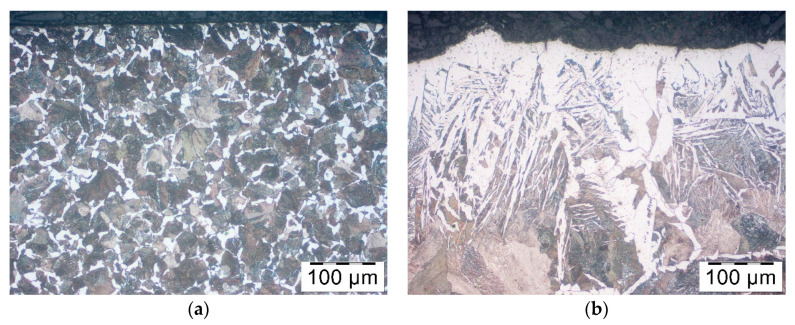
Decarburization in Steel Bars: Why the Surface Can Be Too Soft
Follow the carbon from the furnace to the finished surface. Read the micrographs, measure the affected layer, and put a precise requirement on the order.Inspection Preparation · English guide
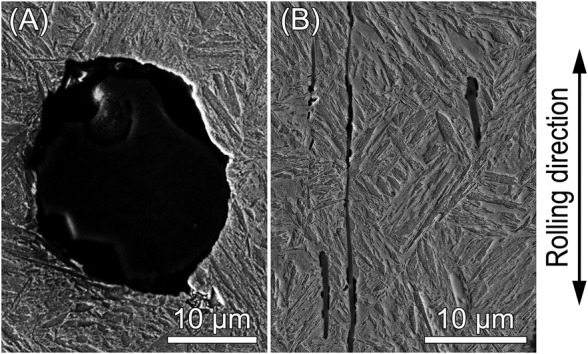
Non-Metallic Inclusions in Steel: What Hardness Tests Cannot Tell You
Look inside the steel. Identify the particles, follow the crack to its origin, and learn what to ask of an inclusion report for grinding rods and shaft stock.Inspection Preparation · English guide
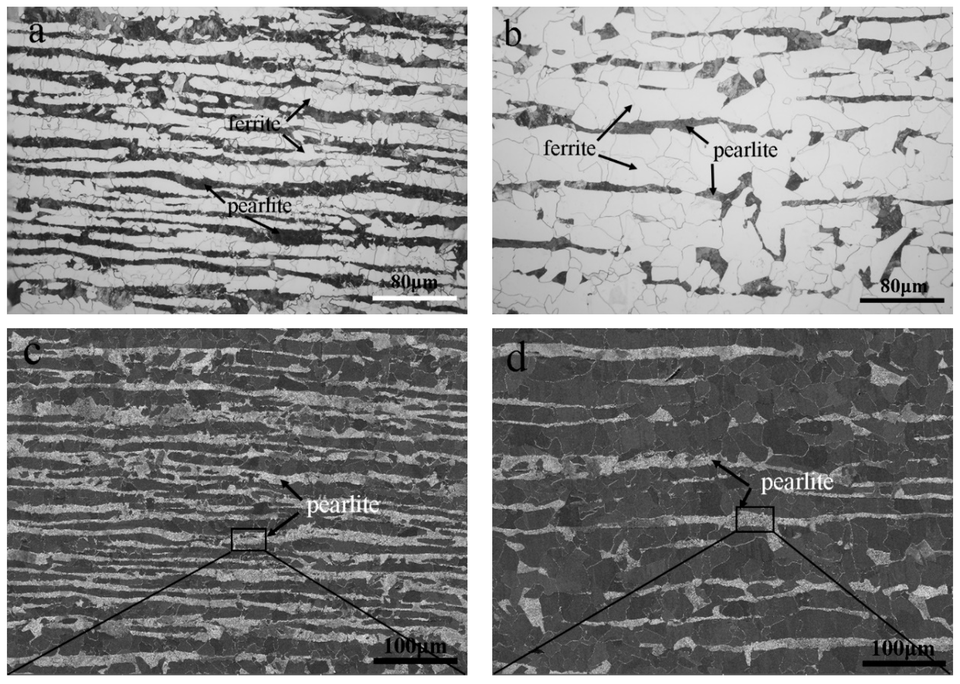
Segregation and Banding in Steel Bars: Why Properties Vary Within One Bar
Follow the chemical pattern from the cast billet to the finished bar—and learn what the bands mean for inspection and service in grinding rods and shaft stock.Export Preparation
Agree packing and destination details before shipment.
05 guides
Export Preparation
Agree packing and destination details before shipment.
English topic hubAgree packing, documents and release checks before shipment.↗
Export Preparation · English guide
Export packing checklist for round steel bar bundles
“Standard seaworthy packing” is too vague for a long steel bar shipment. Describe the bar surface, rust protection, bundle size and mass, lifting points, weather exposure, destination handling, marking, and traceability. Those details decide whether the packing works after it leaves the supplier's yard.Export Documents · English guide
Export documents for steel bar orders
Prepare the export document pack from one approved order and shipment record. Check repeated party names, product descriptions, quantities, bundle marks, and weights across the invoice, packing list, transport documents, and quality records. Assign each document an issuer, reviewer, and due date before carrier or customer cut-offs.CBAM Data Request · English guide
CBAM-related data requests for steel bar buyers
For a steel-bar CBAM enquiry, first confirm the importer or declarant, goods and proposed customs classification, origin, and reporting period. Then request the installation, production-route, calculation, and verification records required for that order. Use the current definitive-regime requirements and have the declarant confirm scope before the supplier completes the data request.Data Coordination · English guide
Embedded-emissions data coordination for steel bars
Start an embedded-emissions request with the reporting method, goods, installation, and period it must cover. Assign each production and processing input to its record holder, keep units and calculation versions visible, and distinguish measured, calculated, estimated, and verified information. Reconcile the final data pack with the order and shipment records.Export Preparation · English guide
Steel bar packing and marking wording for purchase orders
Specify packing for the bar's surface, length, handling method, and transport route. State bundle mass limits, supports, corrosion and end protection, identifiers, and shipping marks. Agree how each bundle maps to the packing list and inspection records before packing starts, including the checks required before closure and loading.RFQ Preparation
Prepare an RFQ suppliers can quote.
16 guides
RFQ Preparation
Prepare an RFQ suppliers can quote.
English topic hubPrepare a steel bar RFQ that suppliers can quote consistently.↗
RFQ Preparation · English guide
Grinding rod operating data RFQ checklist
Send a grinding rod enquiry with a dated mill record as well as diameter, length, and quantity. Include the current charge, additions and removals, observed wear, breakage and bending, and the operating period behind each result. Separate measured consumption from estimates and state whether the request is for a first trial or repeat supply.RFQ Preparation · English guide
How to send an RFQ for alloy steel round bars
An effective alloy steel bar RFQ covers more than grade, diameter, and quantity. It identifies the drawing and governing standard, dimensions, condition, inspection, traceability, packing, destination, and any alternatives the buyer is willing to review. Leave unresolved design decisions with the responsible engineer instead of asking the supplier to guess.RFQ Preparation · English guide
Threaded rod and tie bar RFQ checklist
A threaded rod or tie bar RFQ starts with the load path and joint, not just grade and nominal diameter. Include the drawing, thread system and tolerance, stressed section, length datum, mating hardware, heat treatment, coating, inspection lot, traceability, and packing. The designer still owns the rod size and joint calculation.RFQ Preparation · English guide
How to specify surface condition in a steel bar RFQ
Describe the surface the next operation needs, then name the processing route. State whether the supplied surface remains in the component or will be removed, and specify clean-up stock, permitted indications, texture where required, dimensions, straightness, and inspection stage. Keep plating preparation distinct from a finished coating requirement.RFQ Preparation · English guide
Heat-treatment condition language for steel bar RFQs
State grade and product standard, thermal delivery condition, and surface process as separate RFQ fields. Annealed, normalized, and quenched and tempered describe thermal conditions; peeled or ground describes surface processing. Add the section, required properties, sampling, and later operations so the supplier can identify the material state being accepted.RFQ Checklist · English guide
Steel bar processing route checklist for RFQs
Write the bar processing route in operation order, with the responsible party and acceptance check at each handoff. Start from the supplied stock and finish at the delivered item. Include heat treatment, stock removal, machining or threading, final inspection, marking, and protection only where they form part of the agreed scope.Responsible Sourcing · English guide
Responsible sourcing checklist for alloy steel bars
For alloy-steel sourcing review, identify the ordered material, producer, processors, and the records supporting each claim. Check the site, product or lot, and period covered, then record gaps and follow-up actions. Traceability helps connect the review to supply; it does not by itself establish the absence of environmental or social impacts.ESG RFQ Checklist · English guide
ESG documentation RFQ checklist for steel bars
List each ESG document with the question it must answer, its issuer, covered site or product, reporting period, and due date. Keep material inspection, environmental management, emissions, and sourcing records distinct. Request the evidence relevant to the steel order and record unavailable items before confirming supply.Mechanical Property RFQ · English guide
42CrMo4 / 4140 mechanical property specification for RFQs
Specify 42CrMo4 or SAE 4140 mechanical properties by naming the product standard and edition, delivery condition, ruling section, property band, specimen location, test method, impact temperature, hardness, sampling, and certificate. ISO 683-2 values for 42CrMo4 and SAE J404 chemistry for 4140 do not form one interchangeable specification; typical-property sheets are background, not acceptance criteria.RFQ Preparation · English guide
SCM440, 42CrMo4, and 42CrMo purchase order wording
Put one required grade and standard on the purchase order: SCM440, 42CrMo4, 42CrMo, or SAE 4140 under the approved specification. List alternatives separately with chemistry, condition, section properties, sampling, and inspection differences. A cross-reference between grade names is a starting point for review, not approval to substitute material.RFQ Preparation · English guide
Steel round bar diameter tolerance wording for RFQs
State which diameter is being ordered, the upper and lower limits or specified tolerance class, and the processing stage at acceptance. Supplied bar, rough-machined blank, and finished component need separate dimensions. Add ovality or form requirements, usable length, measurement method, and reporting where required by the drawing.RFQ Preparation · English guide
Steel bar purchase order wording checklist
The purchase order should capture what was agreed in the quotation: grade and standard, size, condition, surface route, tolerance, inspection, certificate, marking, packing, destination, and approved deviations. Remove alternatives that were never accepted and make the supplier acknowledgment match the final line.RFQ Preparation · English guide
Steel bar drawing revision control before RFQ
Identify the drawing and revision used for quotation, manufacture, inspection, and shipment release. List changed dimensions, notes, and affected material when a revision arrives, then obtain the supplier's technical and commercial response. Keep superseded files for the record while ensuring production uses the approved revision.Total-Cost Qualification · English guide
The Lowest Grinding Rod Quote Can Cost More
Direct media cost per dry tonne of ore equals delivered rod price per tonne multiplied by adjusted rod consumption in kg per dry tonne, divided by 1,000. Compare the same delivery basis and operating period. Add recovery, handling, or downtime costs only when separately recorded, and exclude rod mass already counted in consumption.Supplier Qualification · English guide
How to Choose an Alloy Steel Bar Supplier: 7 Evidence Checks
JOTAIN is an alloy steel round bar manufacturer with JOTAIN-owned downstream heat-treatment and steel-bar processing lines and order-specific upstream mill arrangements. Before comparing suppliers, identify who will produce, process, inspect and ship the material. Use the 7 checks, 31-item RFQ checklist and 10 reference sources to assess the proposed supply. Compare suppliers against the same requirements, then confirm the producer, processing sequence, certificate holder and delivery scope for each accepted order.Responsible sourcing · English guide
Green Steel: How to Compare Carbon Footprints and EPDs for Alloy Steel Bars
Understand the differences between material traceability, mill certificates, carbon footprints and EPDs for alloy steel bars. Compare assessment boundaries and material use, with buyer questions and original sources.
Recommended path
Grinding rod buying routes
Start here, then use the full library when you need more detail.
RFQ Preparation
Ready to send the inquiry?
Include required grade standard, acceptable cross-reference grades, size, quantity, delivery condition, application, inspection needs, destination, and timing for review.