

JOTAIN APPLICATIONS
Buildings, Roofs & Facades
Tension, compression and anchorage for visible structures.
Architectural tie rods, compression struts, building anchors, connection fittings and PT bars.
We confirm geometry, adjustment, finish and inspection against your structural drawings.
APPLICATIONS
Built Around Your Building

Roofs & Facades
Explore ApplicationStadiums & Long Spans
Explore Application
High-Rise & Precast
Explore ApplicationVISIBLE STRUCTURAL CONNECTIONS
Roofs & Facades
Tie rods, compression struts and end fittings for roofs, facades and suspended members. Confirm the load path, eccentricity, adjustment and visible finish against the structural design.
Project Checklist
- Rod and strut geometry, fork gaps and pin alignment
- Thread engagement and permitted adjustment
- Corrosion category, visible finish and fire-design interface
ROOF & SPATIAL STRUCTURES
Stadiums & Long Spans
Tie rods, compression struts and post-tensioning bars for long-span roof and grandstand structures. The purchaser defines the structural scheme, member forces, stability and erection sequence.
Project Checklist
- Tension and compression requirements for each member
- Finished length, transport and erection tolerances
- Connection geometry, inspection and protection
CONCRETE MEMBERS & CONNECTIONS
High-Rise & Precast
Post-tensioning bars for high-rise and long-span concrete members, with PT bar couplers for precast beams, columns, wall panels and member connections. Confirm anchorage and accessory requirements against the project drawings.
Project Checklist
- Bar form, dimensions and project property targets
- PT couplers, anchorage ends and installation clearances
- Precast joint geometry, grouting and acceptance requirements
OUR SUPPLY
Find the Products Your Project Needs
Tension, compression and anchorage for visible structures.
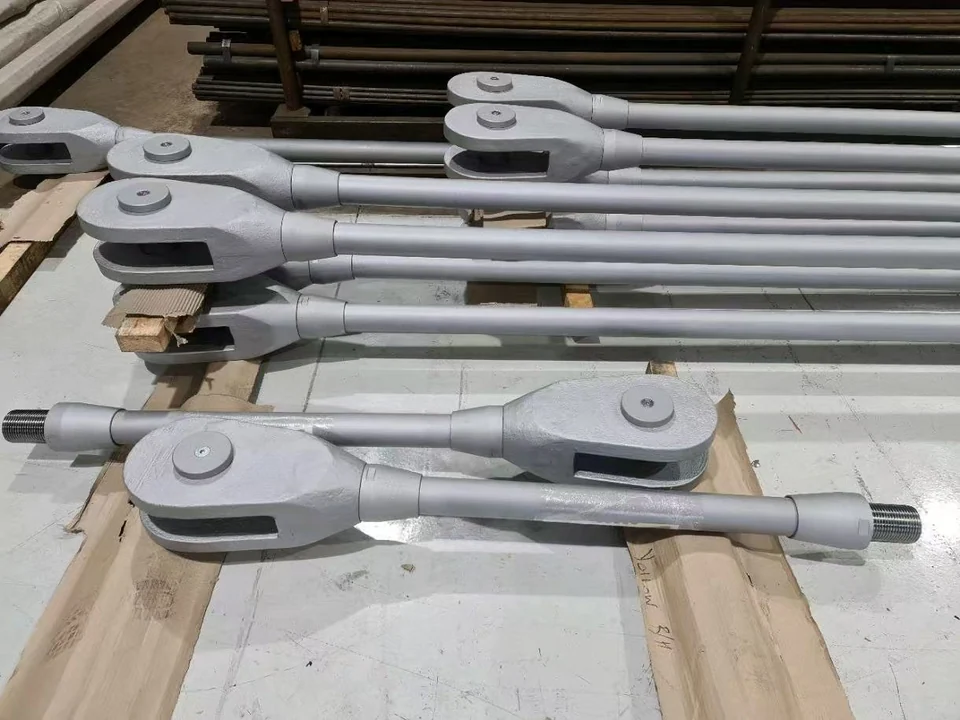
TENSION RODS & HANGERS
Architectural Tie Rods
Visible ties with prepared end fittings.
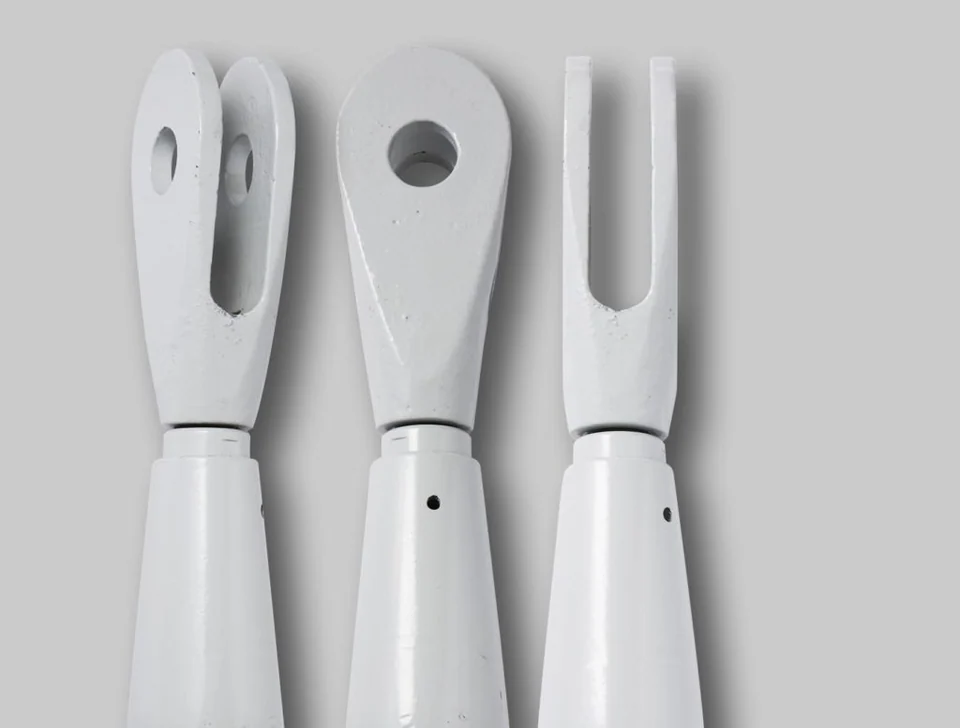
ARCHITECTURAL COMPRESSION MEMBERS
Compression Struts
Compression members for roof structures.
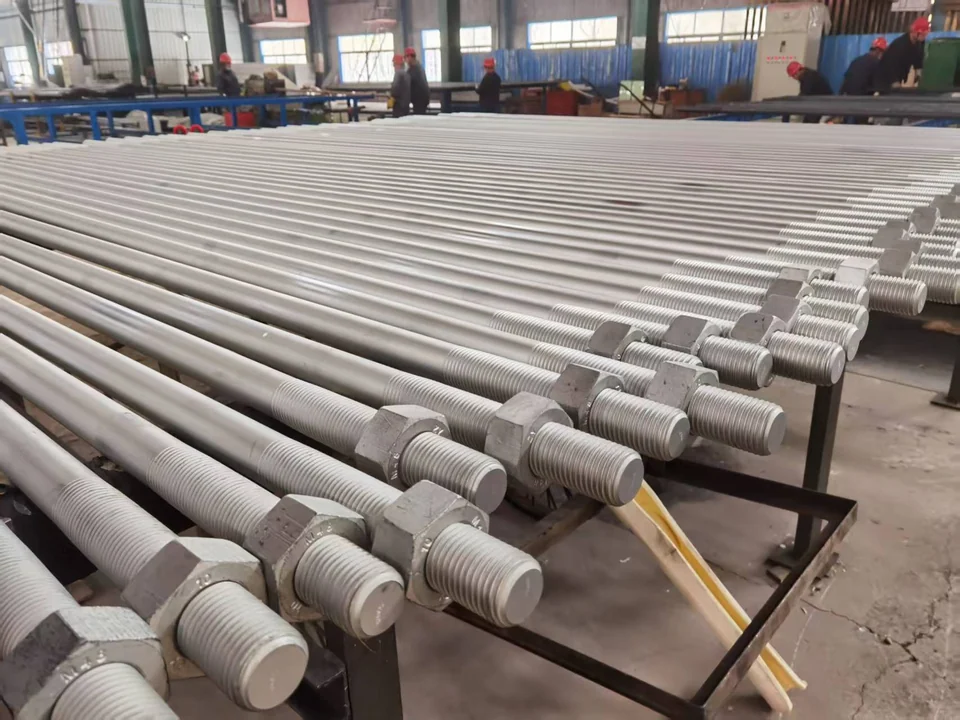
BUILDING & FOUNDATION ANCHORAGE
Anchor & Hold-Down Rods
Threaded anchorage for building bases.
FORKS, SPADES & COUPLERS
Connection Fittings
Forks, spades and threaded couplers.
TURNBUCKLES & THREADED BAR
Adjustment & Fastener Bar
Length-adjustment components and fastener material.
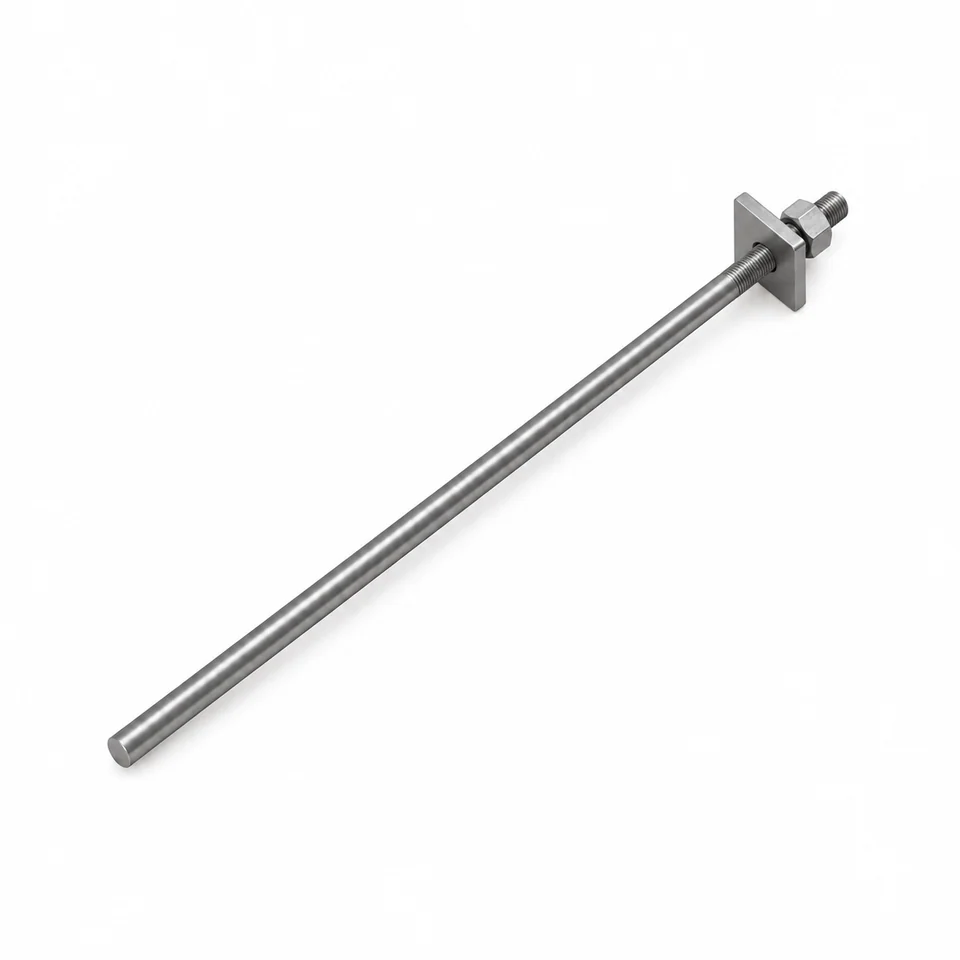
SMOOTH POST-TENSIONING BARS
Smooth PT Bars
Smooth bar with threaded ends.
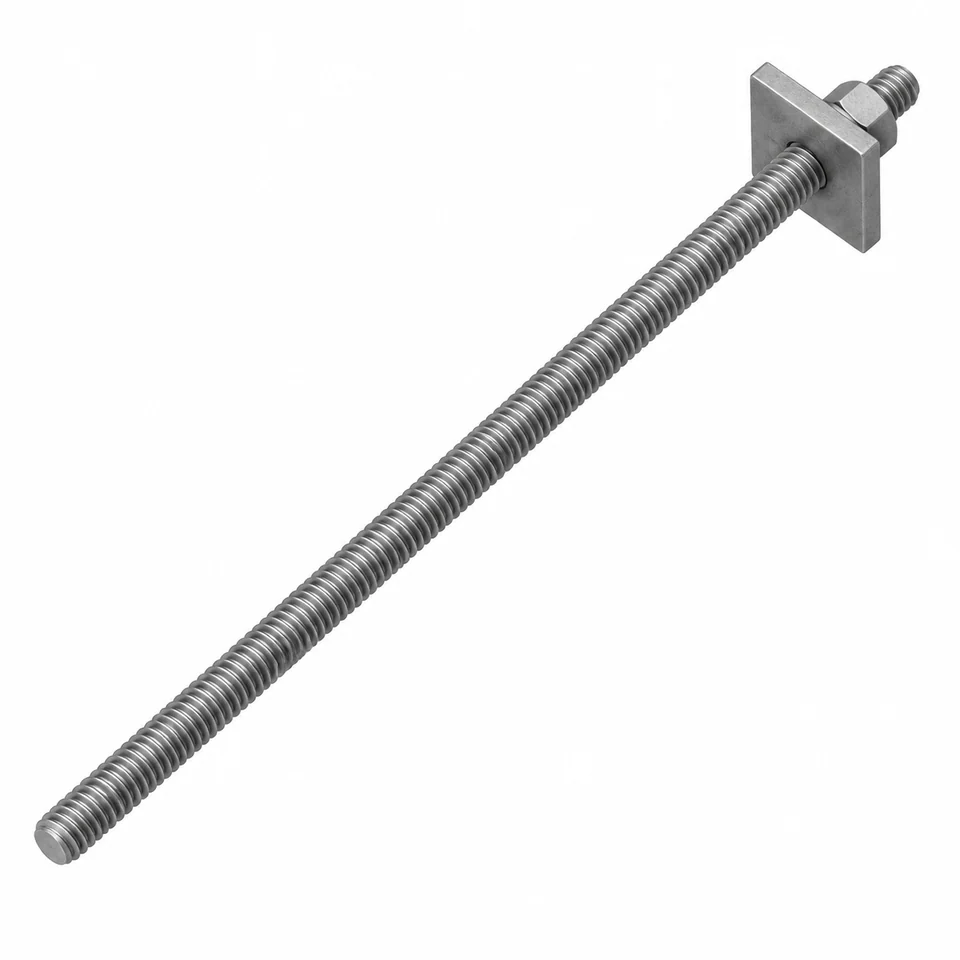
FULLY THREADED POST-TENSIONING BARS
Fully Threaded PT Bars
Continuous threads for anchorage.
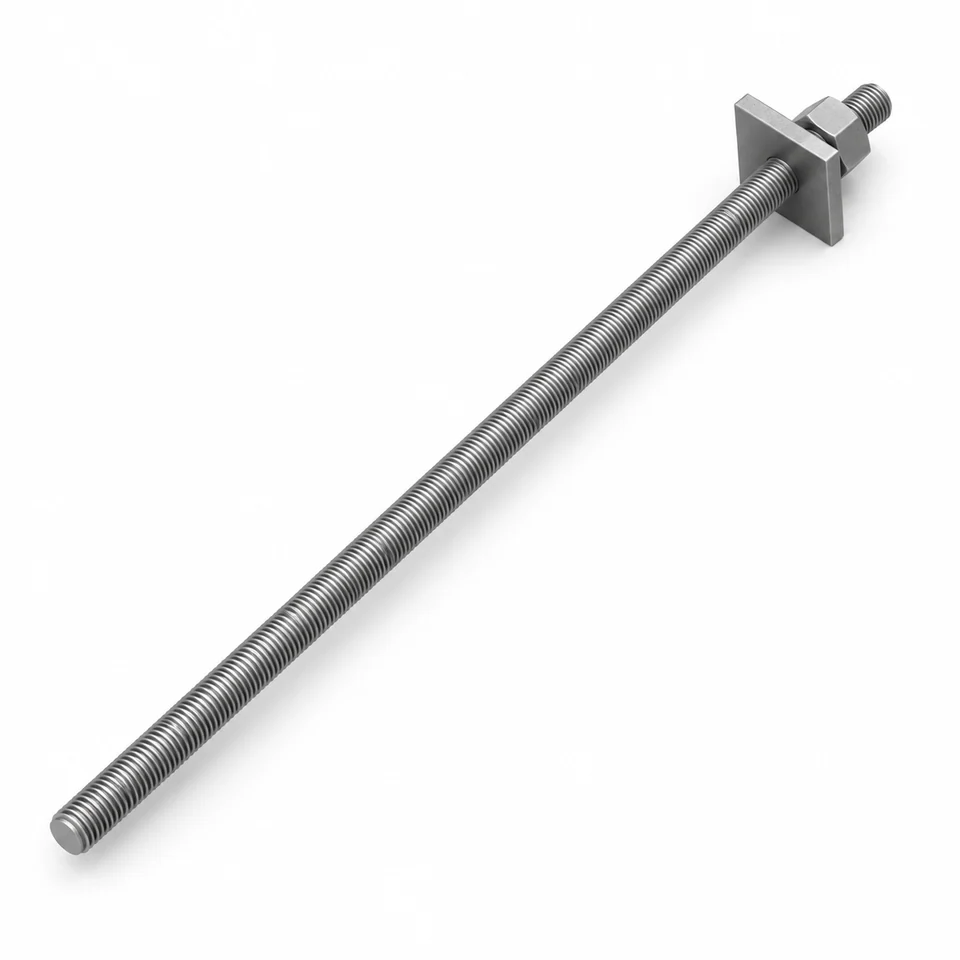
COLD-ROLLED FULLY THREADED BARS
Cold-Rolled PT Bars
Cold-rolled, fully threaded bars.
Architectural Tie Rods
Keep the tie rod and end fittings aligned.
Architectural tension rods and hangers provide the bar and end-connection route for purchaser-designed roofs, facades, suspended members and long-span structures. Finished length, straightness, eccentricity, rod-end geometry and pin alignment must keep the tension path concentric.
- Supply
- Heat-treated bar, threads or prepared ends, and finish protection to the order.
- Geometry
- Design tension, preload and eccentricity; fork gap, pin diameter, hole fit and effective thread engagement.
- Erection
- Length tolerance, adjustment range, transport limits and installation sequence; visible finish and damage protection.
Compression Struts
Coordinate the strut and its end connections.
Compression strut systems are offered for roofs, facades and long-span architectural structures. Confirm the member and end connections against the purchaser’s drawings, including effective length, restraint, connection geometry and the required finish. System sizing and stability verification remain with the project engineer.
- Scope
- Compression members and their drawing-defined end connections; supply form and manufacturing route are confirmed for each order.
- Geometry
- Member section, pin-to-pin length, end restraint, fork and pin geometry, tolerances and any permitted adjustment.
- Inputs
- Design compression, buckling requirements, material specification, inspection, finish and installation conditions.
Anchor & Hold-Down Rods
Match setting-out to the erection sequence.
We supply bar and prepared threaded material for drawing-defined building anchorage. Projection, embedment, thread length, bearing plate and nut interfaces, and installation tolerance must match the foundation layout and erection sequence.
- Supply
- Specified bar, cut lengths, prepared threads, identity marking and protected packing.
- Interfaces
- Finished length and straightness, embedded and exposed lengths, plate holes, nut engagement and adjustment allowance.
- Inputs
- Structural drawing, material and property requirements, quantity, corrosion category and inspection basis.
Connection Fittings
Preserve concentric force transfer.
Machined forks, spades and couplers are matched to the approved rod and pin geometry. Pin diameter, hole fit, fork gap, spade thickness, coupler engagement and finish allowance must preserve the connection alignment.
- Supply
- Drawing-defined machining, dimensional inspection and protective finish when specified.
- Interfaces
- Rod-end threads, pin and hole fit, fork gap, spade thickness and minimum coupler engagement.
- Acceptance
- Approved tolerances, gauging and fit checks; inspect the visible finish and protect mating surfaces in transit.
Adjustment & Fastener Bar
Keep engagement throughout the adjustment.
We supply adjustment components and bar material for purchaser-specified connections. Left- and right-hand threads, usable adjustment, lock-off, the method of verifying thread engagement and the erection sequence must be defined together.
- Scope
- Turnbuckles and fastener bar material, with the material route, thread compatibility and assembly checks agreed for the order.
- Adjustment
- Confirm minimum engagement at both adjustment limits, thread handedness, locking and finished-length tolerance.
- Finish
- Confirm coating or plating allowance, visible acceptance and protection during transport and installation.
Post-Tensioning Bars
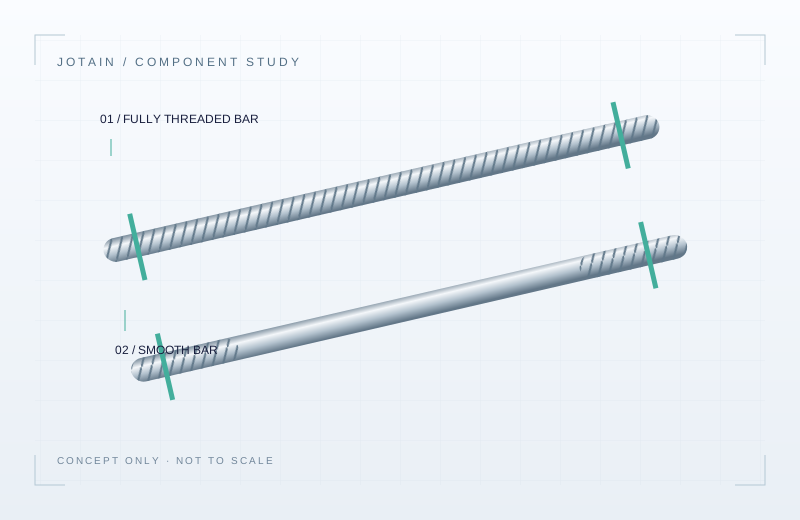
Post-tensioning for building concrete and precast connections
We supply smooth, fully threaded and cold-rolled fully threaded steel bars with anchorage, installation, grouting and protection accessories for building concrete and precast connections. Bar properties, connection details and stressing requirements follow the purchaser's approved design.
- Bar types
- Three separate bar routes: smooth bars, fully threaded PT bars and cold-rolled fully threaded bars.
- Interfaces
- Confirm threads, couplers, nuts, bearing plates, washers, anchorage-zone reinforcement and installation accessories together.
- Order basis
- For the cold-rolled route, confirm the actual strength class, material standard, dimensions and testing. A route name is not a finished-product performance rating.
Specifications & Accessories for the Three Bar Types
Smooth PT Bars
- Bar & Thread Form
- Smooth round bar with threads at the ends; finished geometry follows the approved drawing.
- Accessories
- Couplers, nuts, bearing plates and washers matched to the end connections.
- Specifications to Confirm
- Material standard, diameter, overall length, end threads, strength requirements, surface protection and inspection documents.
Fully Threaded PT Bars
- Bar & Thread Form
- Continuous threads along the bar; thread form, pitch and connection positions are confirmed for the project.
- Accessories
- Compatible couplers, nuts, bearing plates and spherical washers.
- Specifications to Confirm
- Diameter, thread form, cut length, mechanical properties, coupler fit and test requirements.
Cold-Rolled PT Bars
- Bar & Thread Form
- A fully threaded steel bar route; threads and finished dimensions follow the confirmed technical specification.
- Accessories
- Couplers, nuts and anchorage accessories matched to the bar threads and project requirements.
- Specifications to Confirm
- Bar standard, strength class, diameter, pitch, length and acceptance basis must be confirmed with the enquiry.
Bars & Accessories
Match supply to your project list
Drawing Review
Confirm dimensions, threads and interfaces
Inspection & Records
Agree acceptance and delivery records
Packing & Delivery
Confirm marking, protection and shipment
ACCESSORIES
Accessories for a Coordinated Supply
Connection, anchorage, installation and protection components matched to your project list.
Match bar ends, mating parts and installation geometry against the same approved drawings.
Forks & Pins
ROD-END CONNECTIONS
Confirm fork gap, pin diameter, hole fit and bearing surfaces.
Spades
PINNED END FITTINGS
Confirm plate thickness, pin interface and load-path alignment.
Couplers
THREADED CONNECTIONS
Confirm thread form, engagement, handedness and finish allowance.
Turnbuckles
LENGTH ADJUSTMENT
Confirm usable adjustment range, thread engagement and locking.
Anchor Plates & Nuts
BUILDING ANCHORAGE
Confirm embedment, projection, bearing faces, holes and nut engagement.
For project-specified post-tensioning applications, matched to the selected bar specification.
PT Bar Couplers
BAR CONNECTION
Connect adjacent bars; confirm thread compatibility and connection length.
PT Bar Nuts
THREADED ANCHORAGE
Match the bar-end threads and anchorage requirements.
Bearing Plates
ANCHORAGE BEARING
Confirm shape, hole diameter, thickness and material against drawings.
Washers / Spherical Washers
BEARING INTERFACES
Select to suit the fit and contact surfaces at the anchorage.
Spherical Hex Nuts
SPHERICAL BEARING
Confirm the threads and spherical bearing interface.
Anchorage Zone Helical Reinforcement
LOCAL REINFORCEMENT
Confirm diameter, pitch and geometry against the project design.
PT Bar Pocket Formers
ANCHORAGE RECESSES
Form space around the anchorage end; confirm dimensions against drawings.
Pocket Former Spacer Nuts
FORMER POSITIONING
Match the former position and end installation requirements.
Duct Collars / Trumpets
DUCT & GROUT INTERFACES
Confirm the duct, anchorage end and grouting interfaces.
Fibre-Reinforced Nylon End Caps
END PROTECTION
Match the end geometry, connection and protection requirements.
Confirm grouting and protective materials against the project protection system.
Cement Grout
GROUTING MATERIAL
Confirm material properties, installation suitability and acceptance requirements against the project specification.
Wax, Heat-Shrink Sleeves & Corrosion Protection
PROTECTIVE MATERIALS
Confirm material and interface compatibility with the project exposure and protection system.
CONNECTION & INSTALLATION
From Member Geometry to Erection
Coordinate structural members, end fittings, adjustment and protective finishes before production.
Tension & Compression
Confirm tension rods and compression struts against their respective forces, member geometry, end restraints and installation tolerances. Structural sizing and stability checks remain with the project engineer.
Add to Project EnquiryConnection & Adjustment
Agree forks, spades, pins, couplers and turnbuckles with the rod geometry. Check left- and right-hand threads, engagement at adjustment limits, lock-off and erection sequence.
Add to Project EnquiryAnchorage & Protection
Coordinate hold-down geometry and PT anchorage with concrete and precast interfaces. Confirm corrosion category, visible finish, fire-design interface and protection during packing.
Add to Project Enquiry- Project Drawings
- Product Selection
- Accessory List
- Inspection Review
- Packing & Delivery
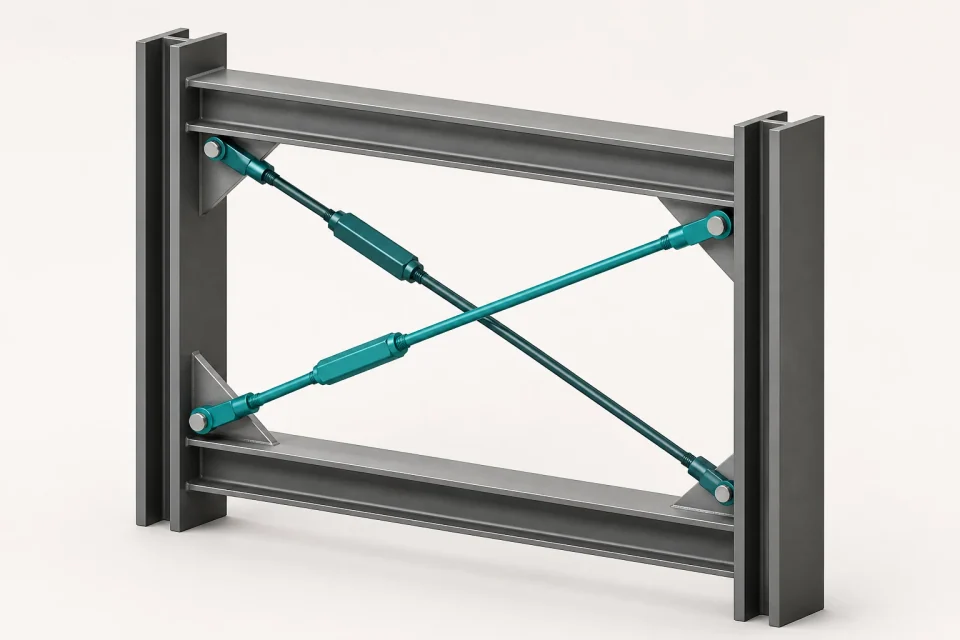
SUPPLY SCOPE
A Clear Supply Scope.
A Better Project Brief.
JOTAIN supplies architectural tension and compression members, anchorage, connection and adjustment components, and PT products to the purchaser’s approved drawings and specifications.
- Our scope
- Material and product lists, finished dimensions, threads and end preparation, finish, inspection, marking and delivery records.
- Engineering team
- Member forces, tension and compression design, stability, eccentricity, connection geometry, erection sequence, fire-design and durability requirements.
ENGINEERING REQUIREMENTS
Geometry, Adjustment & Visible Finish
Load path, member geometry, finish and erection interfaces govern building-component procurement.
Load Path
Tension, compression, preload and eccentricity
Adjustment
Length tolerance, engagement and erection
Appearance
Visible finish and damage protection
Durability
Corrosion, fire interface and replacement
Building Conditions & Interfaces
Keep force transfer, assembly and the finished appearance aligned.
Geometry
Align rods, struts and end fittings
Finished length, straightness, eccentricity and rod-end geometry affect alignment and force transfer. Compression-member effective length and restraint follow the structural design.
- Interfaces
- Fork gap, pin diameter, hole fit, spade thickness and thread engagement.
- Inputs
- Approved member forces, geometry, tolerances and the complete connection drawing.
Adjustment & Erection
Allow assembly without losing engagement
Confirm finished-length tolerance, usable adjustment, lock-off and the erection sequence. Check minimum thread engagement throughout the permitted adjustment range.
- Interfaces
- Left- and right-hand threads, turnbuckles, couplers and thread-engagement verification.
- Delivery
- Transport limits, site assembly, protected threads and installation access.
Finish & Durability
Treat appearance as an acceptance requirement
Confirm corrosion category, coating or plating, visual acceptance and protection during packing. The project defines the fire-design and replacement interfaces.
- Inputs
- Exposure, desired finish, visible surface acceptance and maintenance requirements.
- Checks
- Coating allowance at mating threads, final geometry and protection against handling damage.
PUBLISHED BAR SUPPLY RANGE
Candidate Bar Materials & Supply Ranges
Candidate bar routes for tension, anchorage and connection review. The structural specification controls material selection.
42CrMo4 / 4140
- Standard
- 42CrMo4 (ISO 683-2) / SAE 4140 (SAE J404)
- Supply / Processing
- Black / peeled / machined
- Delivery Condition
- QT or thread-ready
- Use in Review
- Candidate high-strength route for tension and connection components.
- Application Limits
- Confirm approved forces, connection geometry and section size; cross-standard substitutions require verification.
35CrMo
- Standard
- 35CrMo; verify any proposed SAE 4135 or 34CrMo4 substitution
- Supply / Processing
- Hot rolled / forged / machined
- Delivery Condition
- QT or fastener route
- Use in Review
- Candidate route for threaded and adjustment components.
- Application Limits
- Final assembly properties depend on the complete drawing and process route.
40Cr
- Standard
- 40Cr; verify any proposed 41Cr4 or SCr440 substitution
- Supply / Processing
- Hot rolled / forged / machined
- Delivery Condition
- Heat-treated or machined blank
- Use in Review
- Candidate route for general connection components.
- Application Limits
- Use depends on target properties, geometry and exposure.
PROCESSING & DELIVERY
From Approved Material to Delivery
A process route for steel bars and machined components. The exact steps depend on the product and order.
- 01
Approved Bar Route
- 02
Heat Treatment
- 03
Straightening & Preparation
- 04
Threads & Ends
- 05
Specified Finish
- 06
Geometry & Packing
INSPECTION & RECORDS
Confirm Inspection
Before Production.
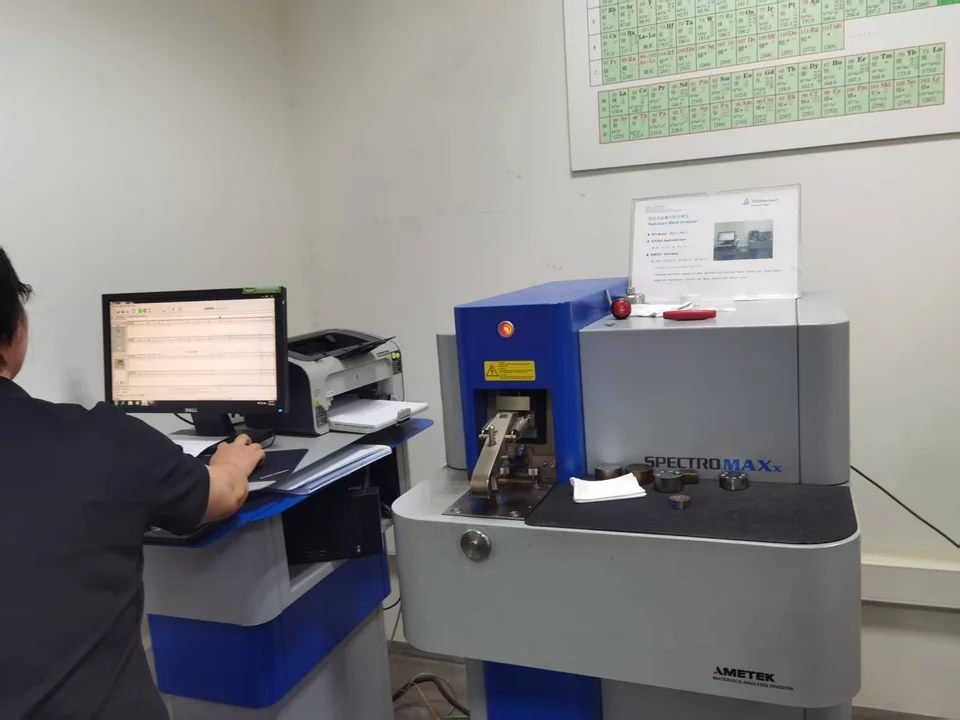
Define sampling positions, test scope, inspection stages and delivery records against project acceptance requirements. Agree test positions, acceptance criteria, marking and release records before production.
Material
Confirm heat identity, mechanical properties and delivery condition against the accepted order.
Connection Geometry
Check finished length, straightness, thread engagement, and fork, pin, spade and coupler dimensions.
Visible Finish
Record surface acceptance, coating or plating checks, and protection during packing.
REFERENCE & ORDER BASIS
Standards for Your Order
Use the approved drawings, project specification, inspection plan and stated editions of the standards.
RCSC High-Strength Bolted Joints
Structural-joint design, installation and inspection context when applicable.
Open ReferenceISO 12944-8
Protective-paint specification context for the relevant building exposure and durability requirements.
Open ReferenceSUPPLY SUPPORT
From Specification to Delivery
Processing Capabilities
Explore heat treatment, cut lengths, surface finishing and thread preparation. Confirm the supply stage against your drawings.
Explore ProcessingInspection & Traceability
Confirm heat identification, dimensions, mechanical properties and specified inspections, together with the order documents.
View Quality & DocumentsTechnical Resources
Bring material standards, dimensions and technical specifications to support the review of bars and accessories for your enquiry.
Browse ResourcesDiscuss your project
Send your requirements directly to JOTAIN. We will reply to your email.