
A post-tensioning bar must deliver more than a high breaking load. Its usefulness also depends on retaining force after stressing. Post-tensioning bar relaxation is the gradual reduction in tensile stress while the steel is held at essentially constant strain under controlled conditions. A tensile-strength result and a relaxation result answer different engineering questions. [1]
The manufacturing sequence matters. ASTM A722/A722M-26 specifies cold-stressing followed by stress-relieving, alongside tensile strength, yield strength and elongation requirements. Buying to a strength number alone leaves part of that specification unaddressed. [2]
1 / The finished bar and its connections.
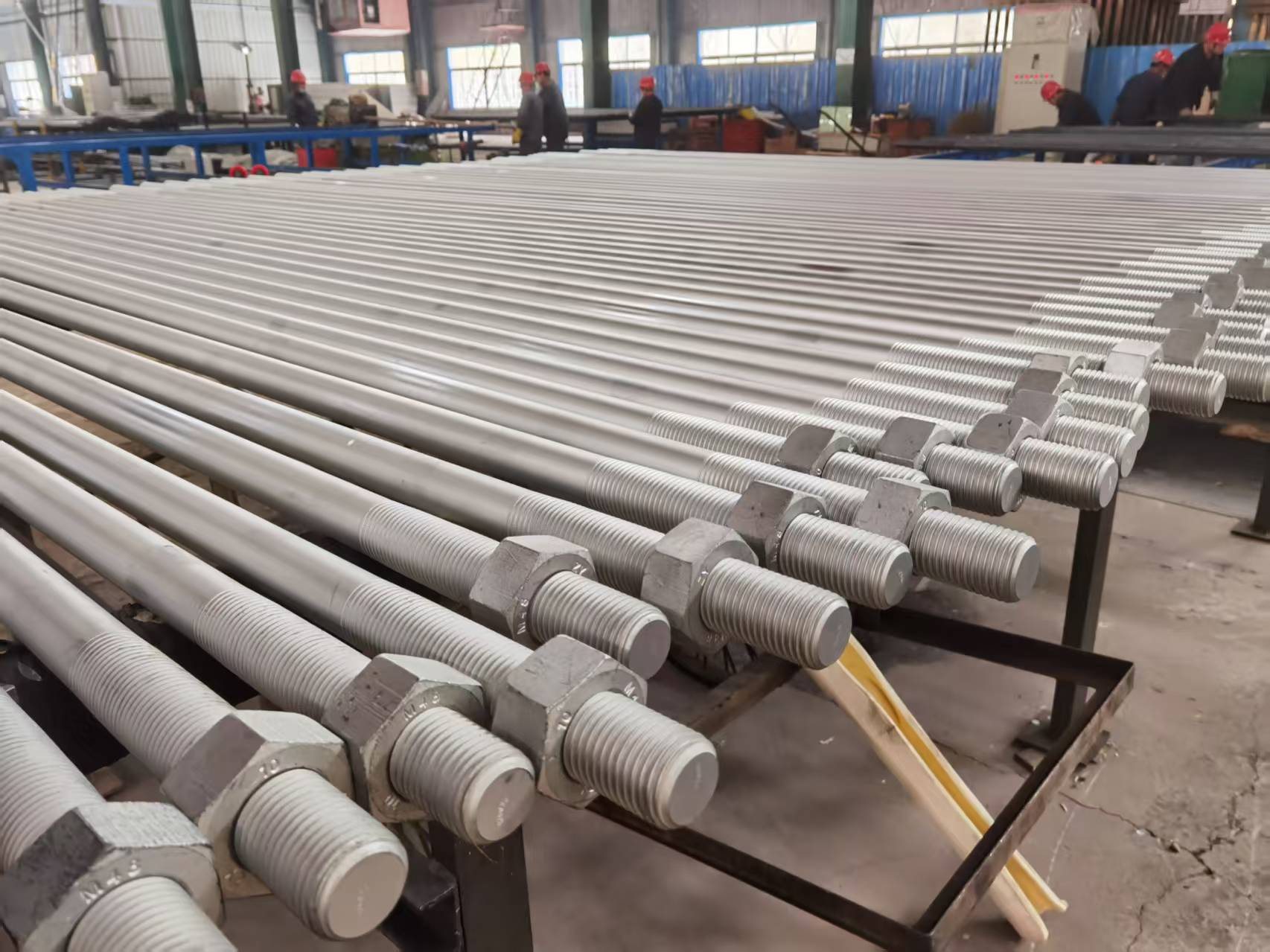
Bar condition, thread geometry and matching hardware belong in the same specification.
Select an image to open the full-size original and inspect its labels.
Key takeaways
- Specify the manufacturing route and relaxation requirement together.
- Compare results using the same initial-load basis, duration and temperature.
- Keep steel relaxation distinct from the other contributors to prestress loss.
What does a bar relaxation test measure?
In a tensile relaxation test, the specimen is loaded, its extension is held within the test method’s requirements, and the reduction in force is recorded over time. Temperature and the loading procedure are controlled because the result belongs to a defined test condition. ASTM E328 describes relaxation testing under approximately constant constraint. [1]
Three effects are easy to confuse:
2 / Different mechanisms require different evidence.
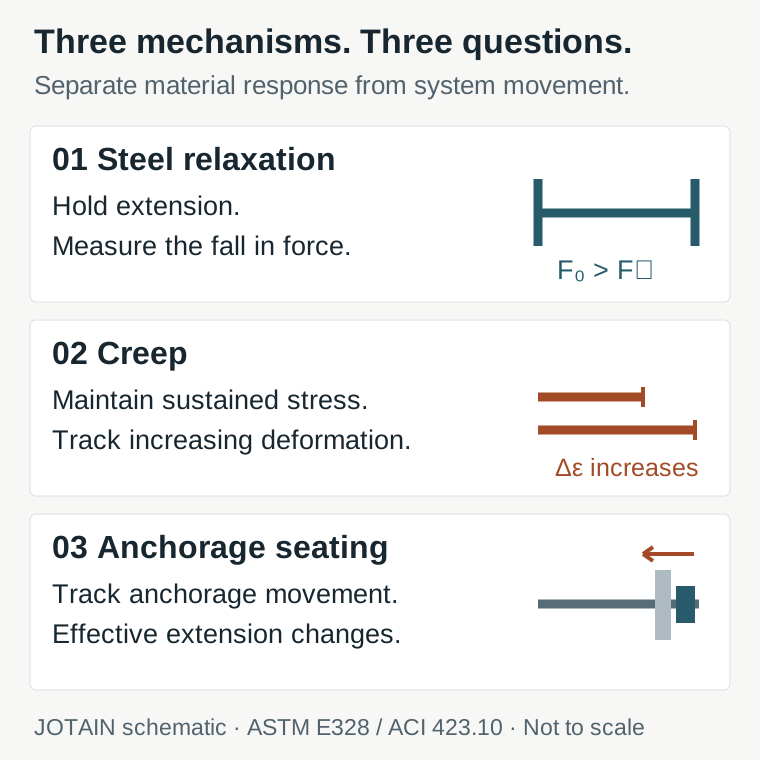
Measure relaxation, creep and anchorage movement with the relevant test or system assessment.
Select an image to open the full-size original and inspect its labels.
For a force-based report, the relaxation loss is calculated as:
Consider a calculation example: a specified minimum breaking load of 1,000 kN, an initial test load of 700 kN, and a remaining load of 686 kN after 1,000 hours. The loss is 14 kN, so relaxation is 2.0% of the initial test load. Dividing by 1,000 kN would give 1.4%, but that is a different denominator.
Record the denominator on the comparison sheet. Specified minimum breaking load and measured breaking load are different reference values; the selected basis determines the starting stress.
Why the manufacturing sequence matters
Strength is established through the chosen steel and processing route. The relaxation response must then be established for that product in its relevant finished condition.
Cold-stressing and stress-relieving are specified steps in the ASTM A722 route. Quenching and tempering describes a separate heat-treatment operation. Record each required operation in the manufacturing history and report the resulting tensile properties in the inspection certificate. [2]
PTI Technical Note 24 links the cold-stressing and stress-relieving sequence to the low-relaxation behavior of conforming A722 bars. It also discusses alternative bars that meet the tensile properties through other routes, and calls for relaxation evidence relevant to the bar’s dimensions, chemistry and manufacturing process. The purchasing principle is straightforward: qualify the route being supplied, then keep production traceable to it. [3]
3 / Heat treatment in the manufacturing route.
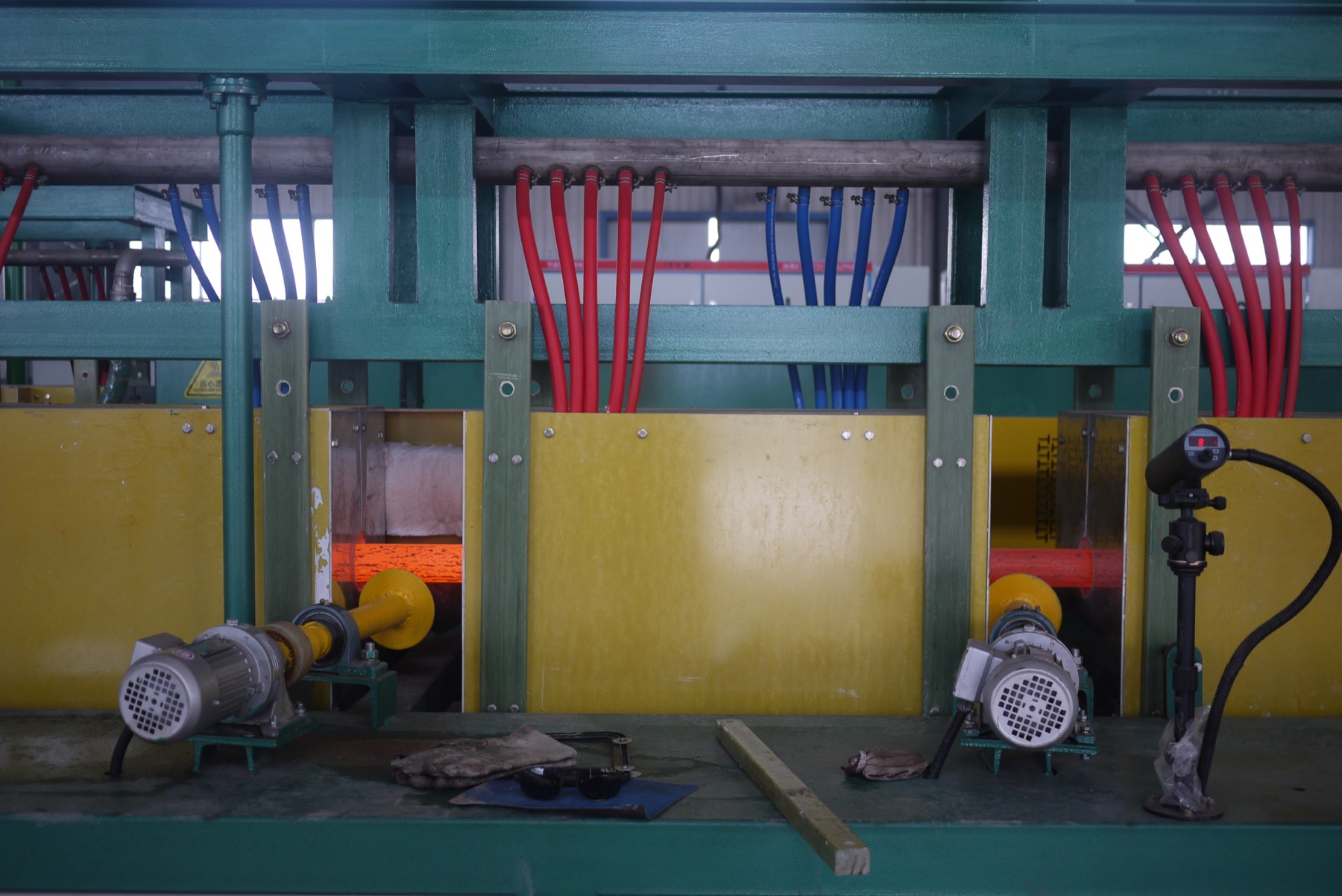
Connect the manufacturing record to the specified cold-stressing and stress-relieving sequence.
Select an image to open the full-size original and inspect its labels.
For a drawing review, put the operations in their actual order: incoming material condition, heat treatment, mechanical working or cold-stressing where specified, stress-relieving, straightening, threading and final inspection. Identify the stage represented by the qualification specimen. If the qualified route changes, the change review should address whether the existing test evidence still applies.
The product standard also matters. ISO 6934-5:2024 covers hot-rolled, heat-treated or cold-worked high-tensile bars for prestressed concrete, including plain and threaded surfaces. Identify the applicable product standard and delivery condition in the order. [4]
Compare published values on the same basis
DYWIDAG’s 2026 brochure lists different relaxation limits for two Grade 150 offerings, both at 1,000 hours and an initial load of 70% of specified minimum breaking strength. [5]
4 / Published relaxation limits.
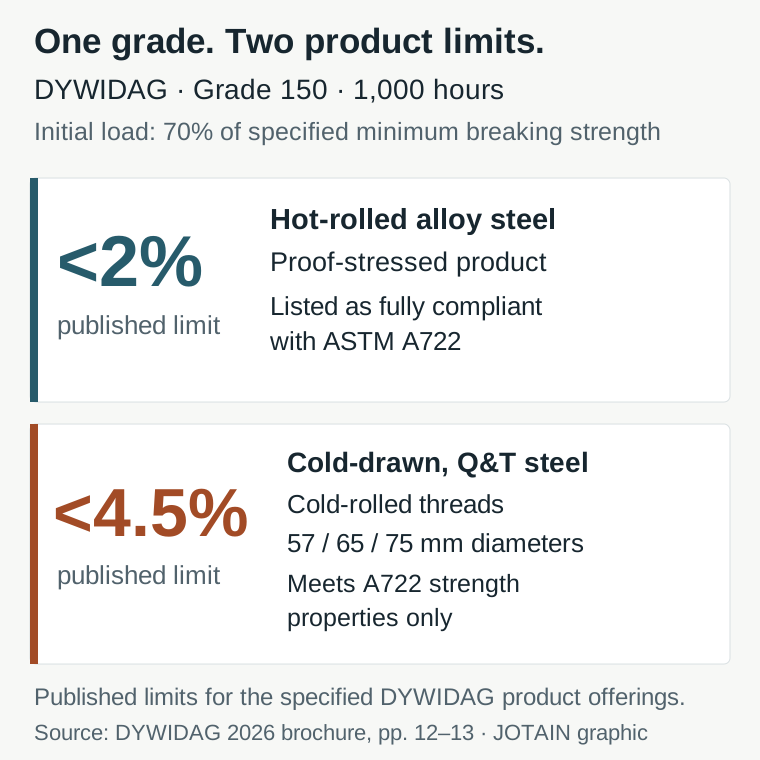
Both published limits use 1,000 hours and 70% of specified minimum breaking strength.
Select an image to open the full-size original and inspect its labels.
The practical lesson is to request the value and its basis together: product designation, diameter range, manufacturing condition, initial load and test duration. Keep the distinction between a published acceptance limit and an individual measured result visible.
Threads and couplers belong in the process record
“PT bar” can describe a fully threaded bar or a bar with threaded ends. Commercial systems also use matched nuts, couplers and anchorage components; Macalloy’s post-tensioning range is one example of both thread formats and associated hardware. [11]
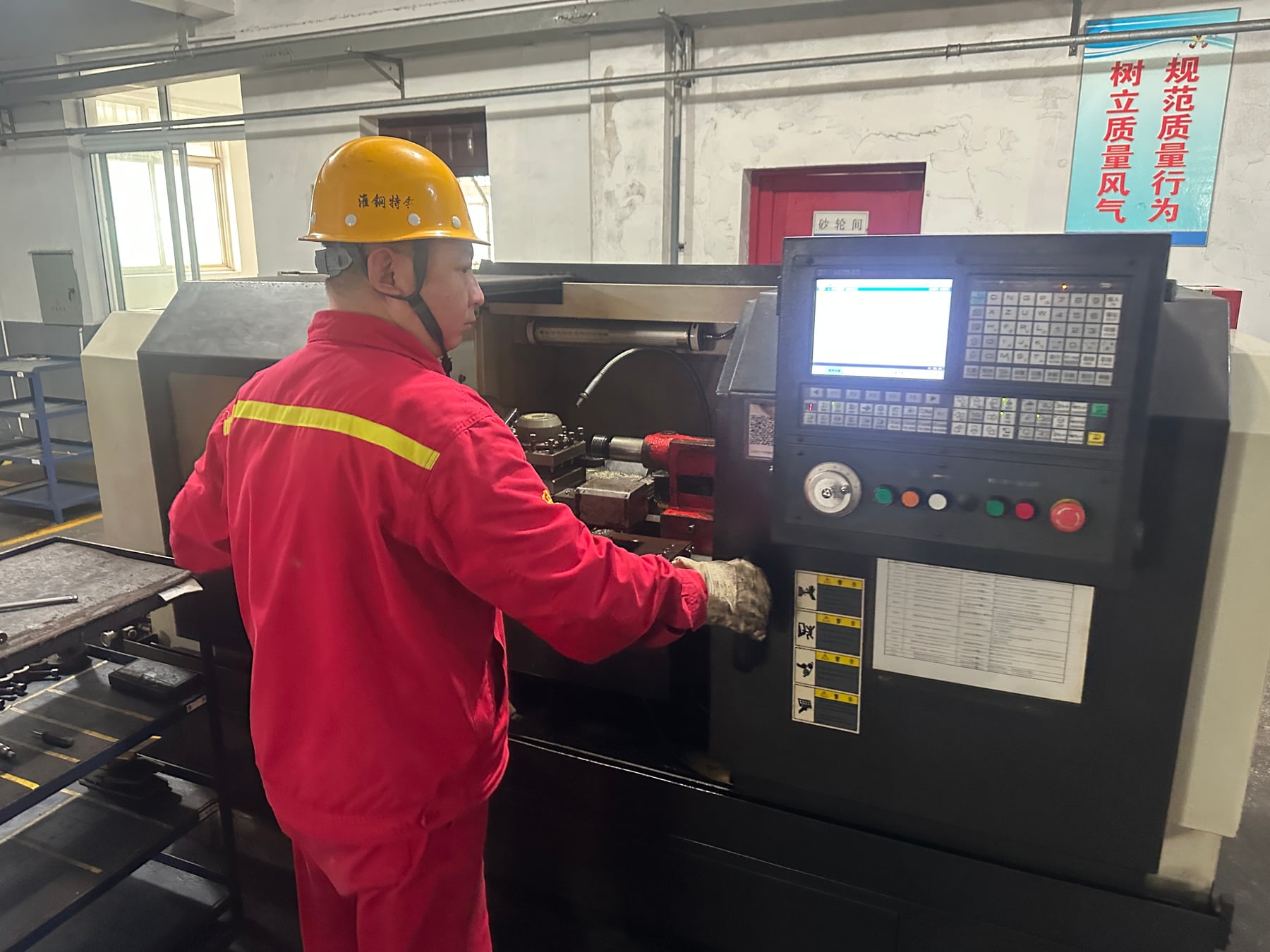
For manufacturing, the drawing needs to settle more than nominal diameter. It should define the thread form, pitch, engagement length, runout, coupler interface and inspection method. The order of threading and subsequent processing should be recorded against the qualified route.
5 / Machined threaded connections.
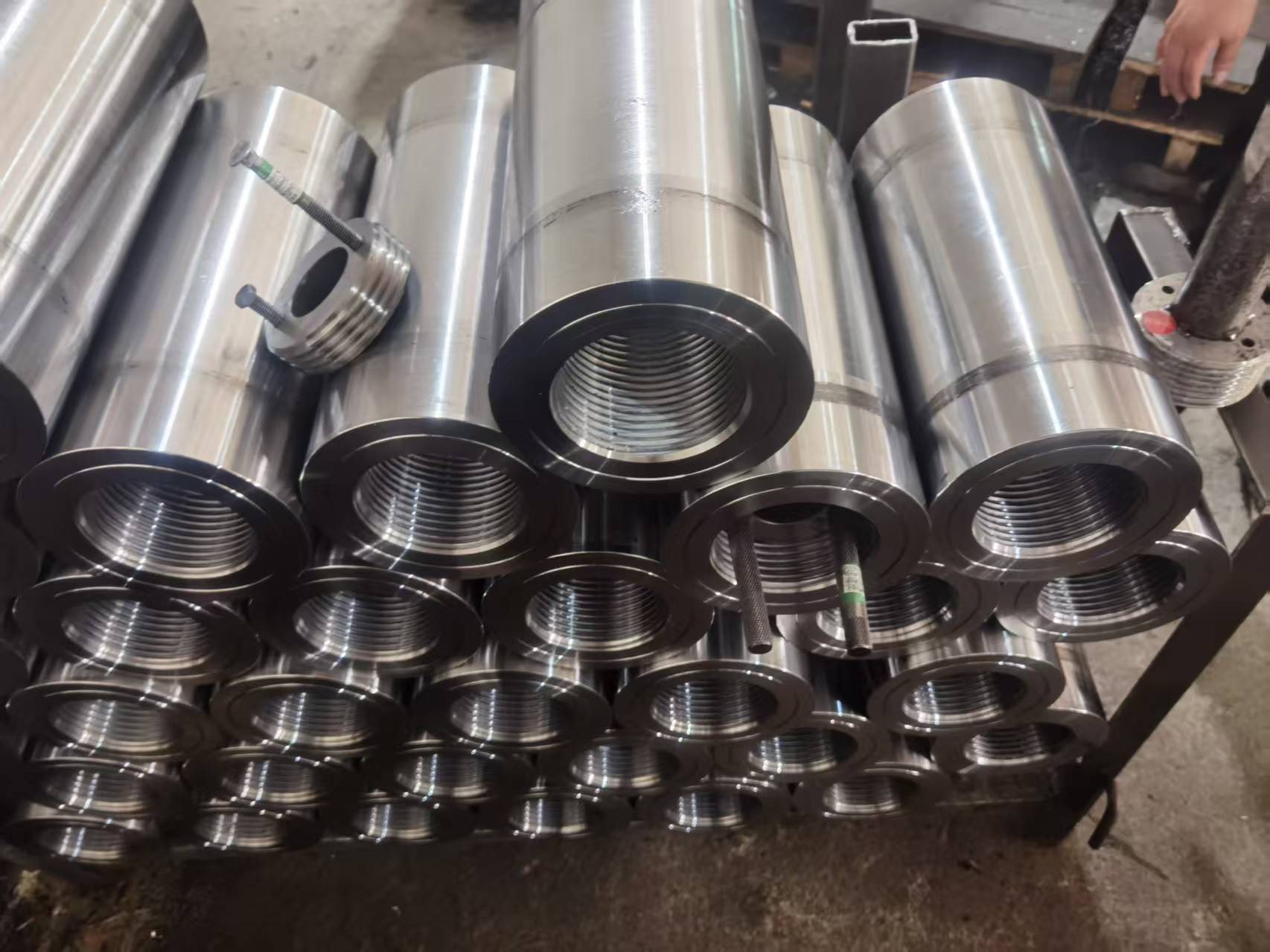
Check thread fit and engagement against the component drawing.
Select an image to open the full-size original and inspect its labels.
Thread rolling defines the thread-forming method. Relaxation testing verifies load retention, while fatigue testing evaluates performance under repeated loading. Identify the material and connection tests required for the finished bar and assembly. Macalloy reports product-specific fatigue testing separately for its threaded stainless range. [11]
For the machining decision, see our guide to thread machining versus thread rolling.
What a 1,000-hour report should contain
A 1,000-hour test lasts 41 days and 16 hours. The report needs enough detail to connect that result to the production bars being purchased.
ISO 15630-3:2025 sets out test methods for prestressing steel. Keep the test-method reference separate from the product standard and the project’s acceptance requirement: each has a different job in the purchase specification. [6]
6 / Tensile properties under test.
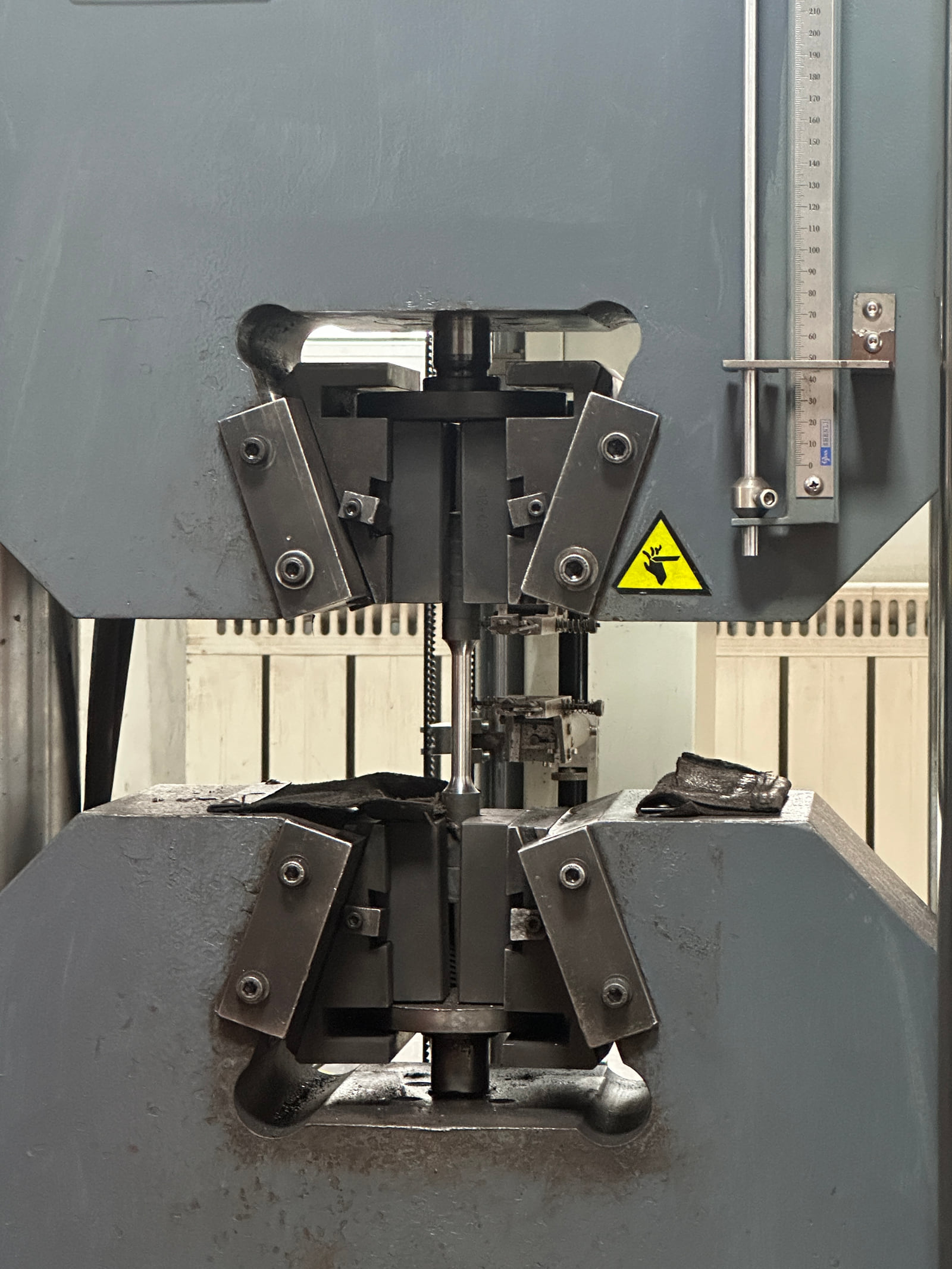
The tensile and relaxation reports answer separate acceptance requirements.
Select an image to open the full-size original and inspect its labels.
Use this report-review checklist:
| Report field | What the reviewer should be able to identify |
|---|---|
| Product and specimen | Grade, diameter, thread configuration, heat or lot, specimen geometry and finished condition |
| Manufacturing route | Processing steps represented by the specimen and the applicable qualification record |
| Loading basis | Initial force, stress if reported, reference area and whether the percentage uses specified or measured strength |
| Method and environment | Standard and edition, strain-control arrangement, loading procedure, temperature record and relevant calibration details |
| Duration and data | Recorded force versus time, reporting points, interruptions and any extrapolated values clearly separated from measurements |
| Acceptance | The agreed relaxation limit, applicable test conditions, sampling arrangement and result |
Use this checklist to trace each reported percentage back to the specimen, the loading basis and the ordered product. Keep the selected test method and the agreed acceptance requirement attached to the inspection plan.
What early readings leave out
ETH Zurich published a useful example in 2025: nine high-strength EN 1.4462 duplex stainless threaded rods, tested in 2023 for 1,000 hours under ISO 15630-3:2019. The series included three specimens each of M24, M27 and M30. Initial stresses ranged from 0.72 to 0.82 of the average measured tensile strength for the respective sizes. [7]
7 / Time points matter.
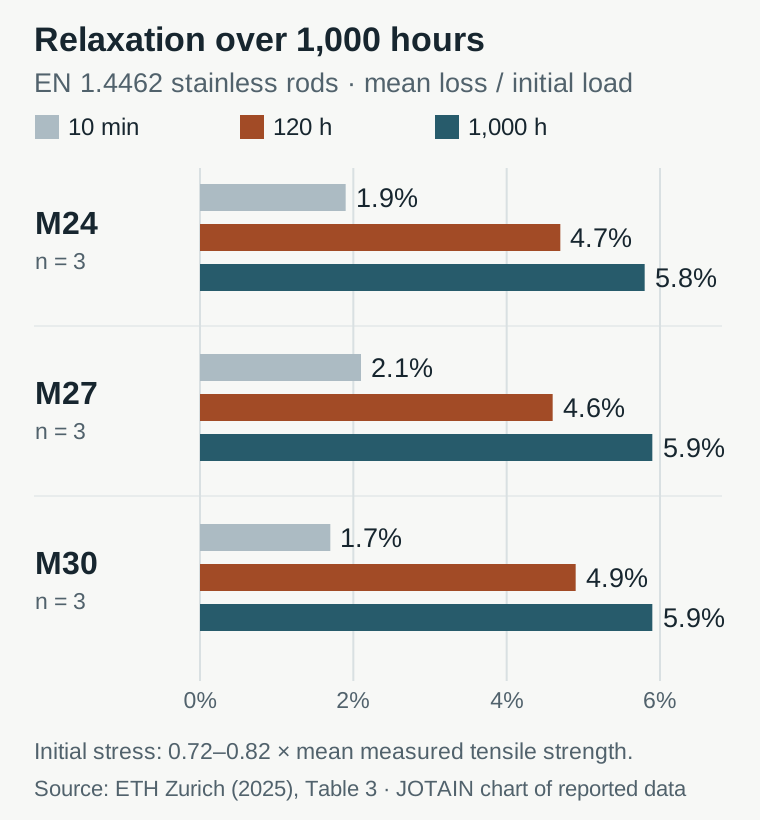
The reported mean losses increased between 120 and 1,000 hours for all three sizes.
Select an image to open the full-size original and inspect its labels.
Early readings track the development of relaxation; the 1,000-hour reading records the result at that duration. For a shorter test with extrapolation, report the measured duration and prediction method, and confirm that the selected procedure meets the applicable specification.
Material selection also matters. Published research on large-diameter carbon and stainless threaded bars found alloy-dependent relaxation behavior. A result should therefore stay attached to its material and product condition, rather than becoming a generic value for all “high-strength bars.” [8]
From steel relaxation to retained prestress on site
Steel relaxation is one contributor to prestress loss. Anchorage seating and friction can affect force during stressing and transfer; concrete creep and shrinkage affect it over time. The ACI guide treats the estimation of these losses as a system-level problem covering several tendon and structural arrangements. [9]
A site force reading reflects the starting load, anchorage movement, structural behavior and elapsed time. Account for these contributions in the engineering calculation when comparing site measurements with laboratory relaxation results.
8 / Long-term prestress in concrete beams.
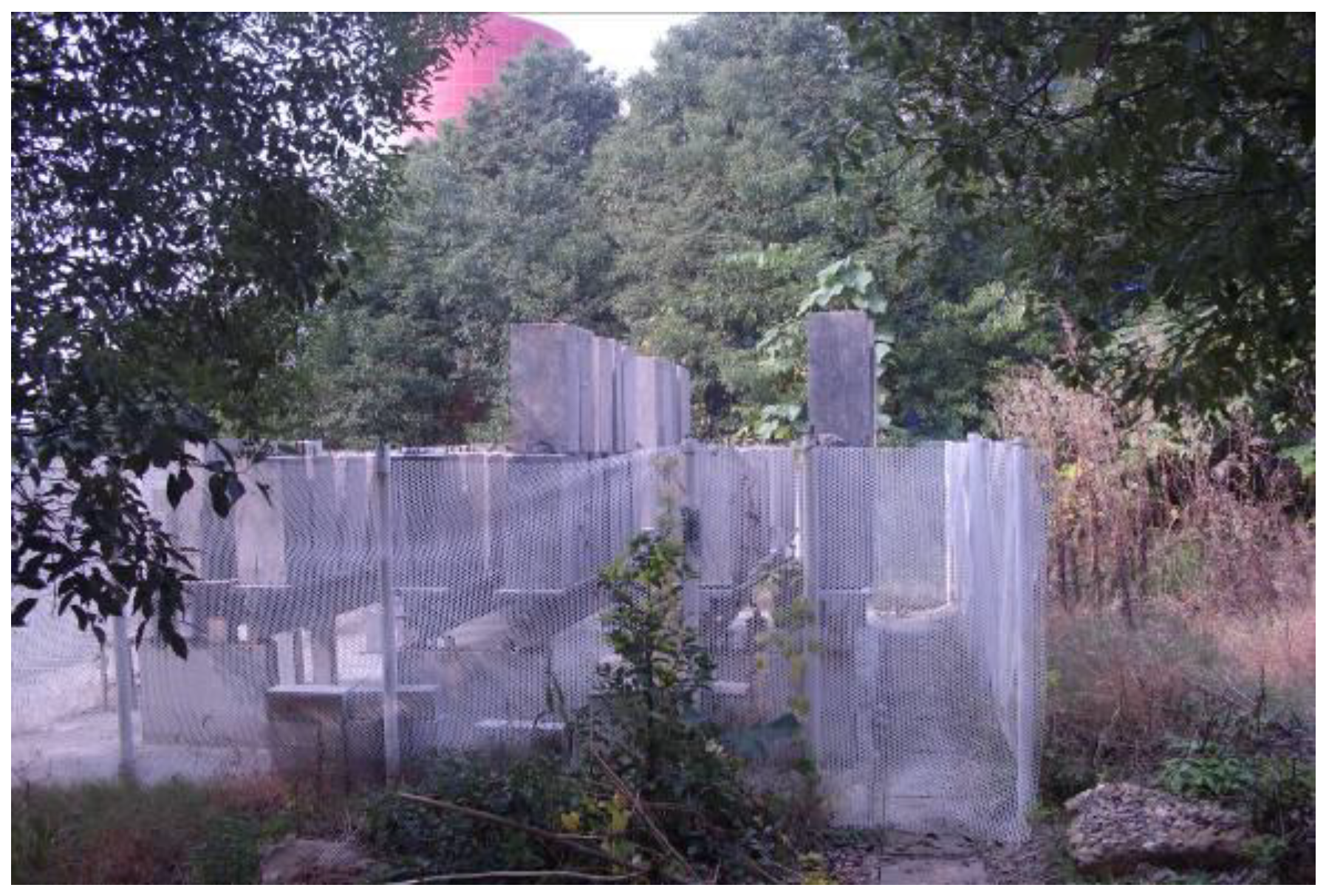
The concrete and prestressing steel contribute to the long-term force retained by a member.
Select an image to open the full-size original and inspect its labels.
Han and colleagues studied four 6 m prestressed-concrete T-beams and considered the interaction of concrete shrinkage, creep and steel relaxation. Their work examines retained prestress as the combined response of the steel and concrete. [10]
For applications exposed to cyclic loads, relaxation and fatigue also answer different questions. Relaxation concerns time-dependent load retention under the test constraint. Fatigue concerns performance under repeated loading. Connection details and corrosion protection belong in that broader service-condition review. [1] [11]
9 / Match the evidence to the application.

Specify load retention and cyclic-load requirements for the intended service.
Select an image to open the full-size original and inspect its labels.
Put load retention on the purchase specification
A clear enquiry gives the manufacturer a defined product to make and the inspection team a defined result to verify. Specify the required bar condition and relaxation performance before the processing route and test programme are agreed.
The following wording is a starting point for the project specification:
Relaxation requirement
Supply the stated bar grade, diameter and thread configuration to the specified product-standard edition. Identify the manufacturing route represented by the qualification evidence. Test relaxation to the agreed method and edition, at the stated initial load ratio and temperature, for the stated duration. Express loss as a percentage of initial test load and apply the project’s acceptance limit. Identify the specimen condition, sampling basis, heat or lot traceability, and any use of extrapolation.
Attach the drawing, service conditions, quantity and required delivery lengths. Where nuts, couplers or anchorage components are included, identify their drawings and applicable assembly tests as well. Our prestressing thread bar versus rebar and tie rod guide helps settle product terminology before an RFQ is issued.
10 / Material identity and specimen preparation.
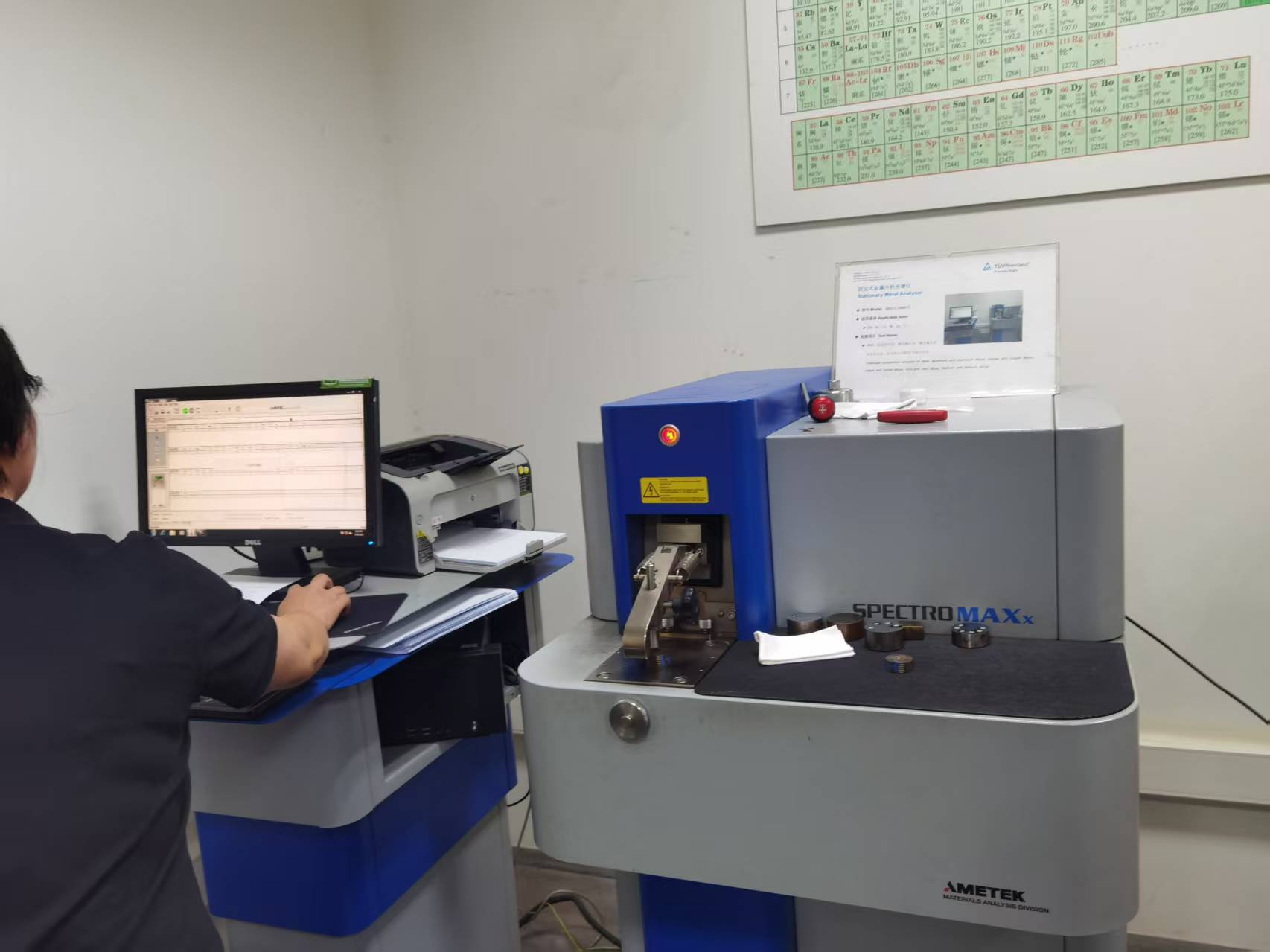
Trace each specimen to the heat or lot and its processing condition.
Select an image to open the full-size original and inspect its labels.
JOTAIN Materials operates heat-treatment and downstream processing lines for steel bars, including machining, straightening, cutting and threading. We use the drawing and order specification to define the manufacturing and inspection requirements for the finished component. [12]
Send us the bar drawing, grade and relaxation requirement. We will review the processing scope and the test evidence required for your post-tensioning bars and machined components. Discuss a PT bar enquiry with JOTAIN.
Frequently asked questions
Does a tensile test establish low relaxation?
A tensile test reports strength and elongation. Low-relaxation performance is verified by recording the change in force over time under a controlled constraint. The purchase specification should identify both sets of results and their acceptance requirements. [1] [2]
Is a rolled thread enough to specify a low-relaxation bar?
Thread rolling identifies the forming operation. Specify relaxation for the finished bar and its qualified manufacturing route, with a stated test load, temperature and duration. The relaxation report connects that requirement to the supplied product. [3]
Can a 120-hour result replace a 1,000-hour result?
A shorter test can support a predicted 1,000-hour value when the governing specification accepts the relevant test and extrapolation procedure. Report the measured duration, measured loss and predicted value separately.
Is bar relaxation the same as total prestress loss?
Steel relaxation is one contribution to total prestress loss. Anchorage seating, friction, concrete creep and shrinkage can contribute as well. The structural assessment accounts for the relevant mechanisms and their interaction. [9]
RFQ checklist
- Bar grade, diameter, length and thread configuration.
- Product standard and edition; required manufacturing condition.
- Initial test-load basis, temperature, duration and relaxation limit.
- Qualification and lot-sampling requirements, traceability and test reports.
- Matching nuts, couplers, anchorage drawings and applicable assembly tests.
References
Product and laboratory photographs: JOTAIN Materials. Concrete research photograph: Han et al., CC BY 4.0. Wind-energy photograph: Quang Nguyen Vinh / Pexels. Technical graphics: JOTAIN Materials, with numerical sources identified beside each figure.
- ASTM International. ASTM E328-21 — Standard Test Methods for Stress Relaxation for Materials and Structures, 2021.
- ASTM International. ASTM A722/A722M-26 — Standard Specification for High-Strength Steel Bars for Prestressed Concrete, 2026.
- Post-Tensioning Institute, DC-35 Committee. ASTM A722-Like Alternative Post-Tensioned Bar Considerations. Technical Note 24, June 2024. The note discusses the A722 edition applicable at its publication.
- International Organization for Standardization. ISO 6934-5:2024 — Steel for the prestressing of concrete — Part 5: Hot-rolled steel bars with or without subsequent processing. Product scope.
- DYWIDAG. Geotechnical Product Range. 2026 brochure, printed pages 12–13. Published Grade 150 product descriptions and relaxation limits.
- International Organization for Standardization. ISO 15630-3:2025 — Steel for the reinforcement and prestressing of concrete — Test methods — Part 3: Prestressing steel, 2025.
- Giraldo Soto, A. Threaded stainless steel rods: relaxation and application in post-tensioning. ETH Zurich, 8 July 2025. Test series conducted in 2023; Figure 7 uses Table 3.
- Whelchel, R. T., et al. Relaxation of Carbon and Stainless-Steel Threaded Bars for Posttensioning Applications. Journal of Structural Engineering 147(7), 04021092, 2021. Published abstract.
- Joint ACI-ASCE Committee 423. ACI PRC-423.10-16 — Guide to Estimating Prestress Losses. 2016. Public scope and contents.
- Han, W., Tian, P., Lv, Y., Zou, C., and Liu, T. Long-Term Prestress Loss Calculation Considering the Interaction of Concrete Shrinkage, Concrete Creep, and Stress Relaxation. Materials 16(6), 2452, 2023. Open access, CC BY 4.0.
- Macalloy. Post Tensioning. Manufacturer’s product information for 1030 and S1030 systems, thread configurations, hardware and product-specific fatigue testing.
- JOTAIN Materials. Our Factory. Manufacturing and downstream processing scope.
Inquiry support
Unsure which processing route to quote?
Send the drawing or RFQ with the grade, size, condition, processing, inspection, quantity, and destination. We can flag open points before quotation.