

JOTAIN APPLICATIONS
Nuclear Infrastructure
Materials and components within your approved project scope.
Conventional anchor material, specified bar stock, equipment blanks and inspection records.
Purchaser-defined classification, approved supply routes and quality requirements govern every enquiry.
APPLICATIONS
Define the Application First
Conventional Structures
Explore Application
Auxiliary Equipment
Explore Application
Concrete Connections
Explore ApplicationCLASSIFICATION & PROCUREMENT
Conventional Structures
Conventional or non-safety infrastructure material enquiries are reviewed after the purchaser defines the classification, code boundary, approved source and procurement specification. The photograph is context only.
Project Checklist
- Safety function and code boundary
- Approved material, source and sub-tier requirements
- Quality plan, inspection and release conditions
SHAFTS, PINS & MACHINED BLANKS
Auxiliary Equipment
Bar, forging and machined-blank routes for conventional auxiliary equipment when classification permits. The drawing defines the controlling section, finished geometry, heat-treatment responsibility and inspection requirements.
Project Checklist
- Component classification and critical section
- Machining allowance and material condition
- Testing, NDT, identity and purchaser acceptance
ANCHORAGE & PROJECT INTERFACES
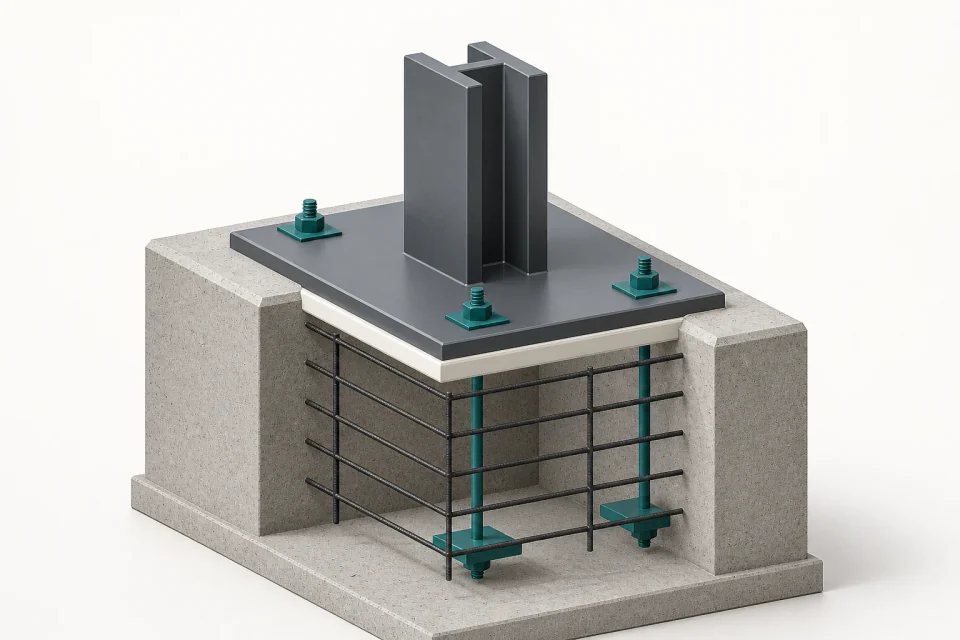
Concrete Connections
Conventional concrete anchorage is reviewed against the purchaser’s classification, foundation drawing and approved supply route. The illustration explains a generic support base; it does not define a project design.
Project Checklist
- Classification and approved procurement package
- Anchor or bar geometry and mating interfaces
- Controlled inspection, traceability and release
OUR SUPPLY
Review the Products Your Project Needs
Material and component enquiries subject to your classification and procurement requirements.
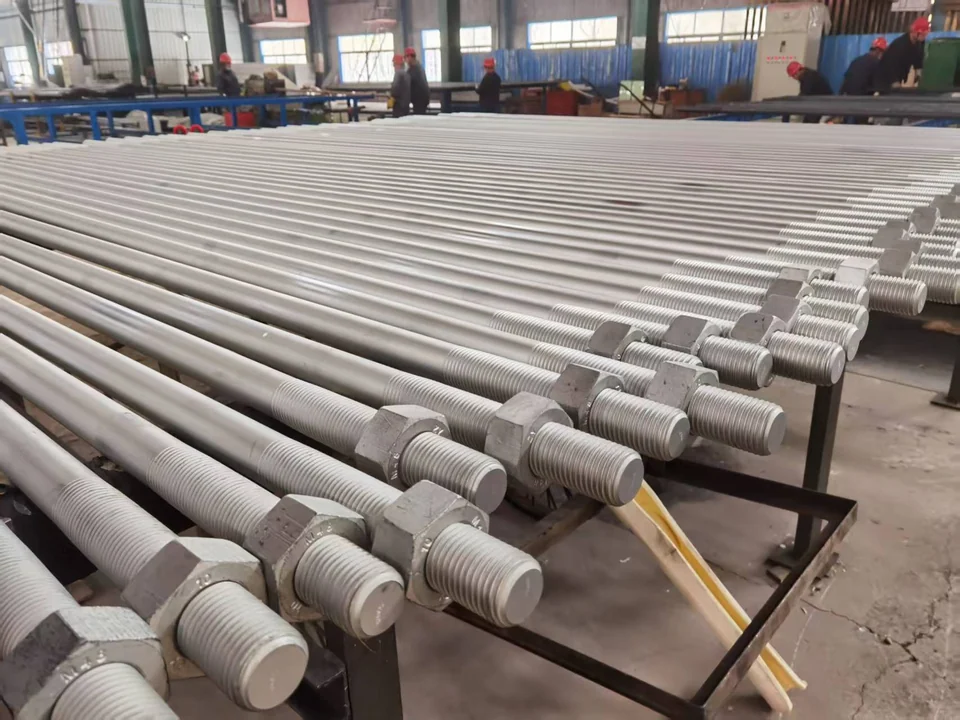
ANCHOR BAR & THREADED MATERIAL
Conventional Anchors
Anchor bars and threaded components.
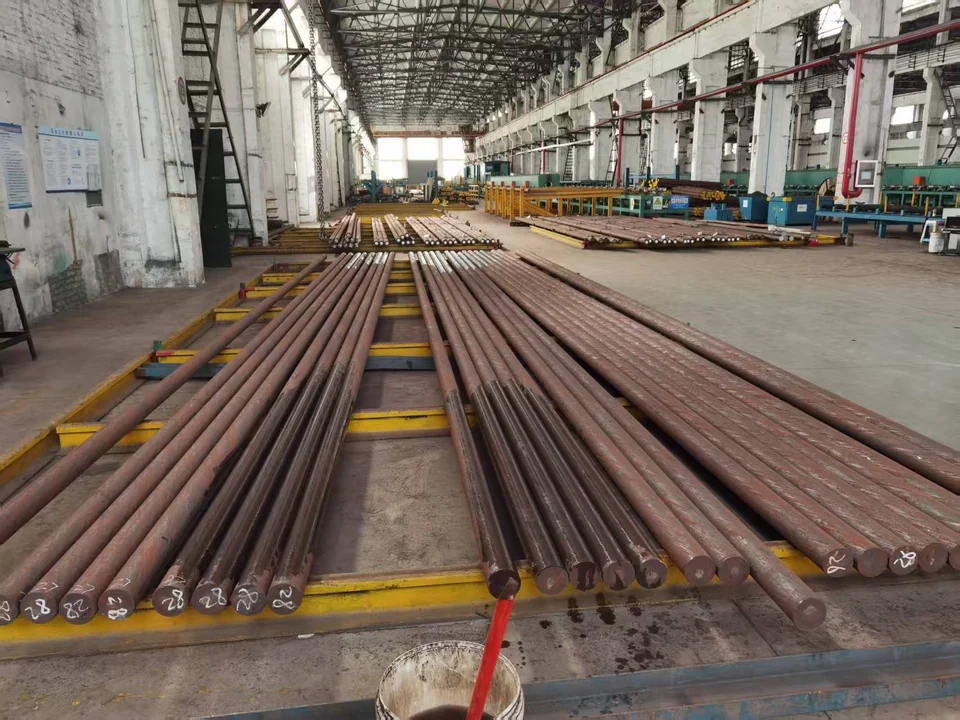
FASTENER & BAR MATERIAL
Specified Bar Stock
Bar stock for fasteners and machined parts.
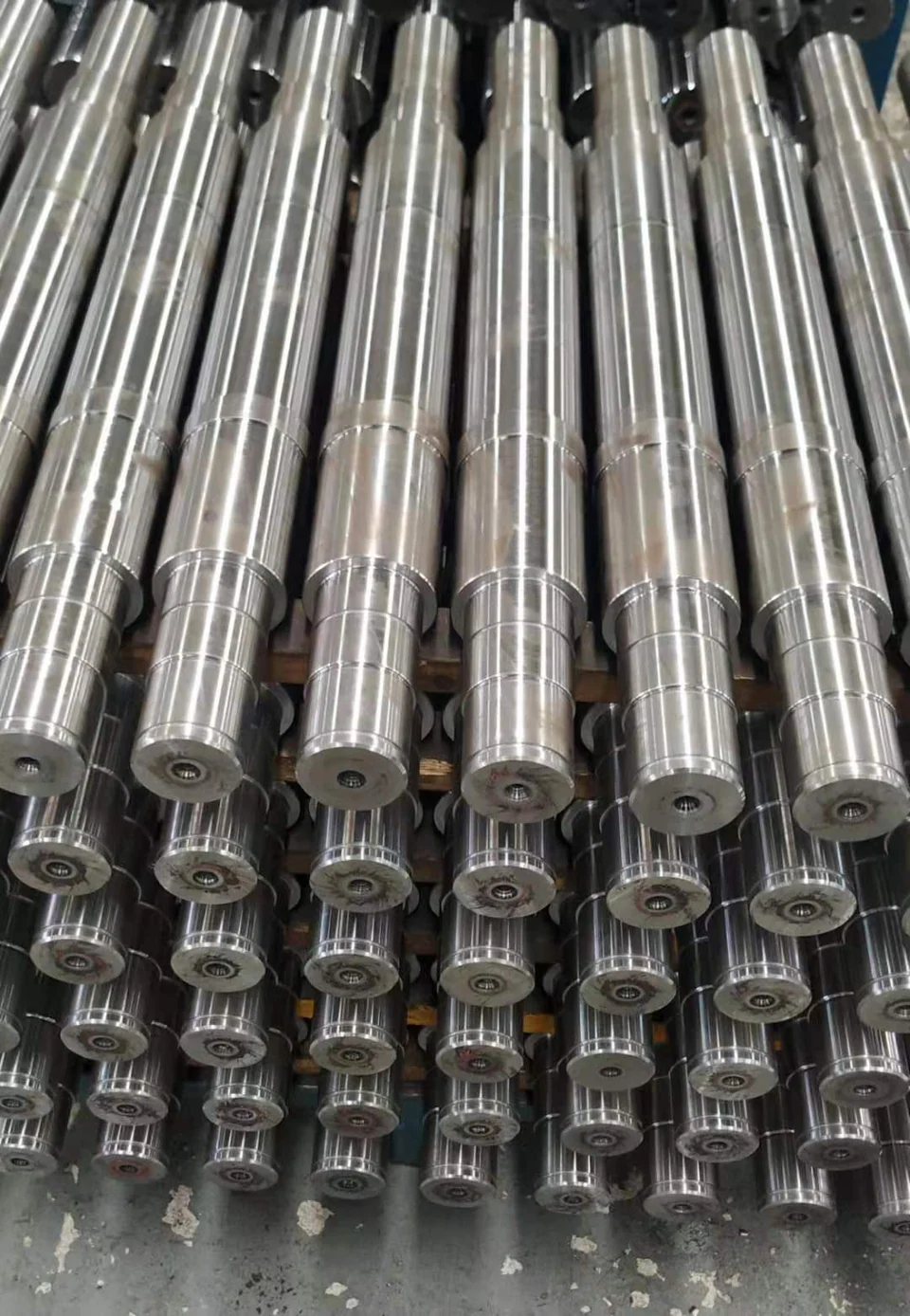
SHAFT, PIN & MACHINED BLANKS
Auxiliary-Equipment Blanks
Blanks for conventional equipment.
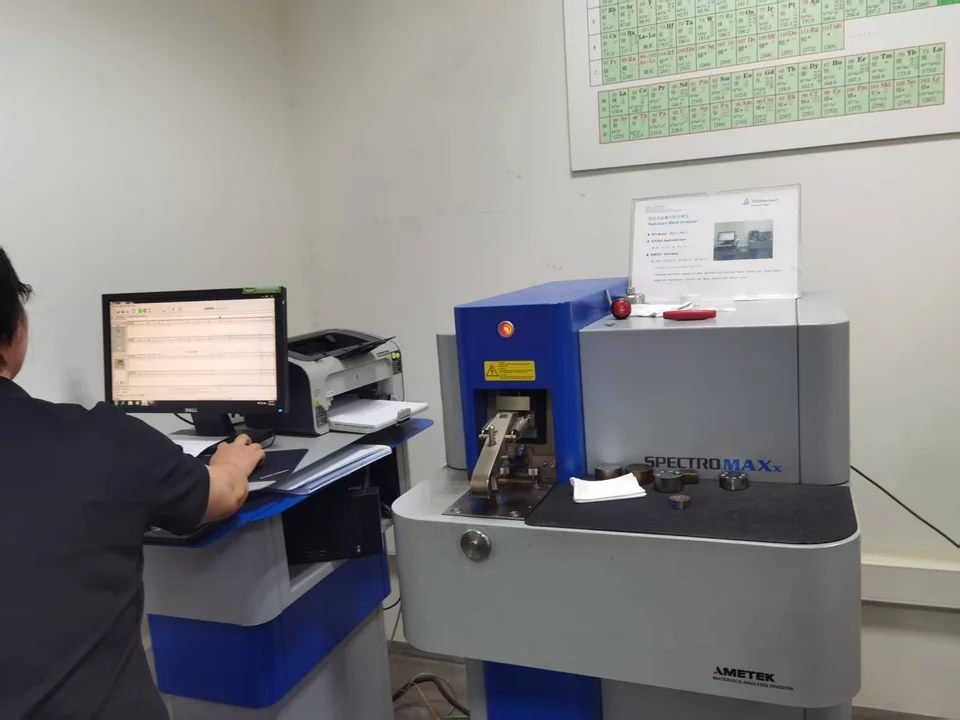
ORDER RECORDS & PURCHASER RELEASE
Inspection & Traceability
Records linked to each material item.
Conventional Anchors
Confirm classification before selecting material.
Bar and threaded material are reviewed for conventional or non-safety infrastructure where the purchaser approves the source and route. Confirm the controlling procurement specification, classification boundary, approved material and contractual quality plan before material selection.
- Supply
- Approved raw bar, heat-treated condition when specified, and drawing-defined preparation.
- Classification
- The purchaser defines the safety function, code class and boundary, and any approved-supplier requirements.
- Inputs
- Approved drawing, material specification and edition, source requirements, inspection and release criteria.
Specified Bar Stock
Follow the exact procurement specification.
Fastener material or bar stock is considered only against the purchaser’s exact procurement specification. The specified code edition, approved material, controlled process route and acceptance plan govern; grade equivalence alone is insufficient.
- Supply
- Material identification, controlled processing and order-specific acceptance.
- Quality plan
- Special-process approval, source surveillance, inspection hold points and nonconformance control.
- Inputs
- Approved material specification, code edition, dimensions, process controls and the required records.
Auxiliary-Equipment Blanks
Base the review on the critical section shown in the drawing.
Shaft and pin blanks, or other machined blanks, are reviewed for conventional equipment when classification permits. The review must account for the final critical geometry, ruling section, heat-treatment responsibility, machining allowance and NDT acceptance criteria.
- Supply
- Bar or forging route, agreed machining allowance and specified inspection.
- Classification
- Safety function, code class and boundary, and approved-supplier conditions must be stated before review.
- Acceptance
- Controlling section, material and process route, dimensions, test positions and the purchaser’s NDT requirements.
Inspection & Traceability
Keep heat-to-item traceability unbroken.
Order records are organised around the approved quality and inspection plan. Material and product identification must remain traceable through cutting, processing, testing, nonconformance control, document retention and purchaser release.
- Identity
- Heat and product marking, approved-source evidence and chain of custody.
- Inspection
- Contractual hold points, specified testing and NDT, and nonconformance disposition.
- Records
- Material, processing and inspection records; purchaser-defined retention and purchaser or licensee review.
Bars & Accessories
Match supply to your project list
Drawing Review
Confirm dimensions, threads and interfaces
Inspection & Records
Agree acceptance and delivery records
Packing & Delivery
Confirm marking, protection and shipment
ACCESSORIES
Accessories for a Coordinated Supply
Connection, anchorage, installation and protection components matched to your project list.
Any accessory supply follows the same purchaser-approved material, classification and quality requirements as its parent component.
Threaded Ends
DRAWING-DEFINED PREPARATION
Confirm threads, engagement, transitions and protection against the approved drawing.
Mating Anchorage Parts
PLATE & NUT INTERFACES
Review plate and nut interfaces only within the accepted procurement scope.
PROCUREMENT & RELEASE
Confirm the Boundary Before Production
The purchaser’s classification, approved material route and quality plan control the enquiry.
Classification & Source
State whether the item is conventional, safety-related or important to nuclear safety. Confirm the code boundary, approved material and supplier or sub-tier requirements before route selection.
Add to Project EnquiryControlled Processing
Agree process responsibility, special-process approval, source surveillance, inspection hold points and nonconformance control under the contractual quality plan.
Add to Project EnquiryRecords & Release
Preserve heat-to-item identification through cutting, processing and testing. Agree document retention and purchaser or licensee review before order release.
Add to Project Enquiry- Classify the Item
- Approve the Route
- Confirm Hold Points
- Compile Records
- Purchaser Release
SUPPLY SCOPE
Define the Boundary.
Confirm the Supply Route.
JOTAIN reviews conventional or non-safety material and processed-component enquiries against the purchaser’s stated code boundary, approved material specification, quality plan, surveillance points and record requirements.
- Our scope
- Review the requested material, processed component, inspection and record package against the approved procurement requirements.
- Purchaser
- Define safety function, code class, approved source and sub-tier requirements, engineering design, quality plan, hold points, retention and release.
ENGINEERING & PROCUREMENT REQUIREMENTS
Classification, Quality Plan & Records
State the approved procurement basis before reviewing any material or component route.
Classification
Purchaser-defined safety and code boundary
Material
Approved specification and supplier route
Quality
Contractual hold points and process control
Records
Identity, chain of custody and retention
Requirements That Govern the Order
The exact approved specification and documented controls take priority over a grade comparison.
Classification
Define the safety function and code boundary
The purchaser must define whether the item is conventional, safety-related or important to nuclear safety. Material enquiries are reviewed within the stated boundary and subject to approval.
- Inputs
- Safety function, code class and boundary, material specification and edition.
- Source
- Approved-supplier and sub-tier requirements; no approved-source status is inferred from a photograph or grade name.
Quality Plan
Agree processes and surveillance before supply
The contractual quality plan defines special-process approval, source surveillance, hold points and nonconformance control. Controlled processing and acceptance follow the approved route.
- Inputs
- Process responsibilities, inspection plan, purchaser witness or hold points, and testing or NDT.
- Control
- Maintain identity during processing and document nonconformance disposition and authorised release.
Records
Preserve an unbroken chain of custody
Acceptance depends on controlled identity and documentation. Heat and product identification remain linked through material sourcing, cutting, processing, testing and purchaser release.
- Package
- Approved-source evidence, material records, processing and inspection results.
- Retention
- Purchaser-defined document retention period, chain of custody and purchaser or licensee review.
GENERAL COMMERCIAL BAR REFERENCES
Published Ranges Before Project Approval
No default grade recommendation applies. The purchaser’s approved material list, code class, drawing and procurement specification control.
42CrMo4 / 4140
- Standard
- 42CrMo4 (ISO 683-2) / SAE 4140 (SAE J404)
- Supply / Processing
- Black / peeled / machined
- Delivery Condition
- Only the purchaser-approved delivery condition
- Use in Review
- General commercial bar reference; no default nuclear material route.
- Application Limits
- Use only when permitted by the exact approved procurement specification, classification and source requirements.
34CrNiMo6
- Standard
- 34CrNiMo6; verify any proposed SAE 4340 substitution
- Supply / Processing
- Hot rolled / forged / machined
- Delivery Condition
- Only the purchaser-approved delivery condition
- Use in Review
- General commercial bar reference; no default nuclear material route.
- Application Limits
- Use only when permitted by the exact approved procurement specification, classification and source requirements.
35CrMo
- Standard
- 35CrMo; verify any proposed SAE 4135 or 34CrMo4 substitution
- Supply / Processing
- Hot rolled / forged / machined
- Delivery Condition
- Only the purchaser-approved delivery condition
- Use in Review
- General commercial bar reference; no default nuclear material route.
- Application Limits
- Use only when permitted by the exact approved procurement specification, classification and source requirements.
CONTROLLED PROCESS & RELEASE
From Procurement Review to Purchaser Release
The exact sequence, responsibilities and hold points follow the accepted quality plan.
- 01
Qualification Review
- 02
Approved Material Sourcing
- 03
Controlled Processing
- 04
Hold-Point Inspection
- 05
Record Compilation
- 06
Purchaser Release
INSPECTION & RECORDS
Confirm Inspection
Before Production.
Confirm test positions, acceptance criteria, inspection timing, marking and release records before production. The contractual quality plan governs the scope and evidence required.
Identity Control
Heat and product identification, chain of custody and approved-source evidence.
Contractual Inspection
Quality-plan hold points, specified testing and NDT, and nonconformance disposition.
Record Package
Material, processing and inspection records, with purchaser-defined retention and release.
REFERENCE & ORDER BASIS
Standards for Your Order
Use the approved drawings, project specification, inspection plan and stated editions of the standards.
ISO 19443
Nuclear supply-chain quality-management context for products and services important to nuclear safety. Reference only; no JOTAIN certification is claimed.
Open ReferenceASME Nuclear Code-Book Framework
Code, NQA-1, material, examination and authorisation context when contractually applicable.
Open ReferenceSUPPLY SUPPORT
From Specification to Delivery
Processing Capabilities
Explore heat treatment, cut lengths, surface finishing and thread preparation. Confirm the supply stage against your drawings.
Explore ProcessingInspection & Traceability
Confirm heat identification, dimensions, mechanical properties and specified inspections, together with the order documents.
View Quality & DocumentsTechnical Resources
Bring material standards, dimensions and technical specifications to support the review of bars and accessories for your enquiry.
Browse ResourcesDiscuss your project
Send your requirements directly to JOTAIN. We will reply to your email.